Western Sahara: Growing International Support as Sahrawi Media Breaks Moroccan Siege

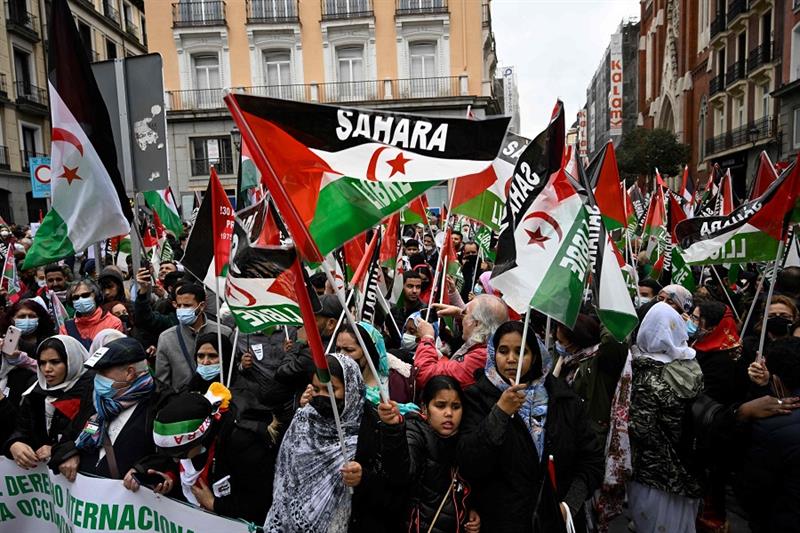
Despite ongoing Moroccan efforts to impose a blackout on the occupied territories of Western Sahara, Sahrawi media has succeeded in breaking the information siege, contributing to increasing international support for the Sahrawi people’s right to self-determination, according to Sahrawi journalists and human rights organizations.
Ahmed Ettanji, head of the “Equipe Media” agency, stated that the Sahrawi cause continues to gain visibility in international media, despite Morocco’s restrictions and its denial of access to foreign delegations in the territory.
“In recent years, there has been growing interest from international media outlets, particularly European ones,” Ettanji explained. “Many newspapers and news agencies—especially Spanish—publish reports based on our content, and some independent European journalists also rely on our reports as a credible source.”
Ettanji also highlighted the harsh repression faced by Sahrawi journalists in the occupied areas, who are systematically targeted to prevent them from documenting human rights violations and advocating for the right to self-determination. He noted that seven Sahrawi journalists are currently imprisoned by Moroccan authorities, with sentences ranging from 10 years to life.
Sahli Ould Ahel Emileid, Secretary-General of the “Mizna Network” active in the occupied territories, stressed that Sahrawi resistance media has played a key role in ending the isolation of the region and exposing the suffering of the Sahrawi people, particularly regarding systematic human rights abuses and plunder of natural resources.
“Despite extremely limited resources, Sahrawi media has managed to confront Morocco’s aggressive media machine,” he said, pointing to the large sums spent by Morocco to fund online disinformation campaigns.
He added that many international media organizations rely on Sahrawi journalists as credible sources, with their reporting recognized globally for its integrity and accuracy.
Ali Salem Tamek, head of the Collective of Sahrawi Human Rights Defenders (CODESA), said the military, police, and media blockade imposed on occupied Western Sahara is part of Morocco’s strategy to enforce its colonial presence. This blockade, he noted, takes many forms—including denying international observers access to the territory.
Nevertheless, Tamek asserted that the Sahrawi people have resisted these oppressive measures through various forms of peaceful protest and activism. He concluded that the Sahrawi cause has reached global audiences through the work of rights organizations documenting Moroccan abuses and exposing the realities of the occupation to the international community.