Western Powers Push New Anti-Iran Resolution as IAEA Board Meets in Vienna

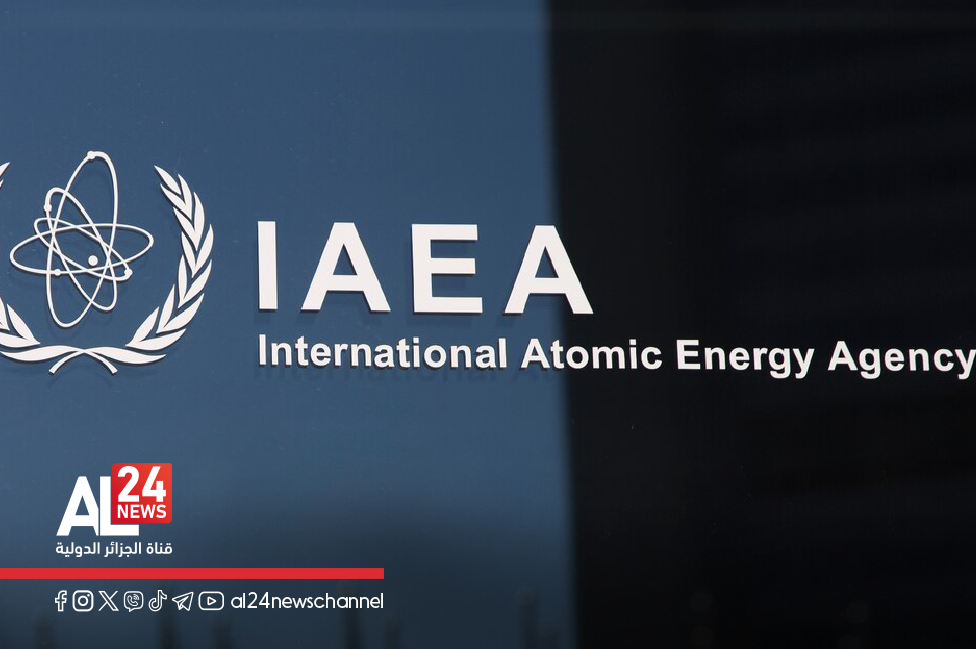
The Board of Governors (BoG) of the International Atomic Energy Agency (IAEA) has convened in Vienna, with Iran’s nuclear program once again drawing attention amid renewed Western efforts to push through a resolution against Tehran. The three-day meeting, which began Wednesday and runs until Friday, brings together representatives from 35 member states to discuss nuclear safety, safeguards, and other technical matters.
Notably, the published agenda makes no mention of UN Resolution 2231 or commitments under the Joint Comprehensive Plan of Action (JCPOA). Iran appears only in the section regarding the Safeguards Agreement, signaling that JCPOA-related issues have effectively been removed from the Board’s official agenda. Both the JCPOA and Resolution 2231, which endorsed the nuclear deal in 2015, formally expired on October 18 of this year, ending the IAEA Director General’s mandate to report on Iran’s compliance with the accord. As a result, Iran’s case concerning alleged “non-proliferation” issues is no longer formally before the Board.
Despite this procedural shift, the United States, Britain, Germany, and France — the E3 — are pushing for a draft resolution at the ongoing session. Their proposed text calls for new restrictions on Iran’s nuclear activities and continued reporting on the status of its nuclear material stockpiles. The initiative draws on a recent report by IAEA Director General Rafael Grossi, who urged the agency to obtain “immediate access” to information related to Iran’s declared nuclear materials. The draft also asserts that Iran, following the activation of the snapback mechanism in September, is obligated to halt all activities involving enrichment, reprocessing, R&D, and heavy-water projects.
Iran’s Permanent Mission in Vienna has strongly condemned the Western initiative, calling it “a big mistake” and accusing the US and E3 of attempting to politicize the Board of Governors. The mission warned that such actions would not serve the interests of those countries, stressing that efforts to pressure Iran at this stage are misguided and counterproductive.