Washington’s “Five-Day Pause” Signals Strategic Recalibration in Iran Conflict

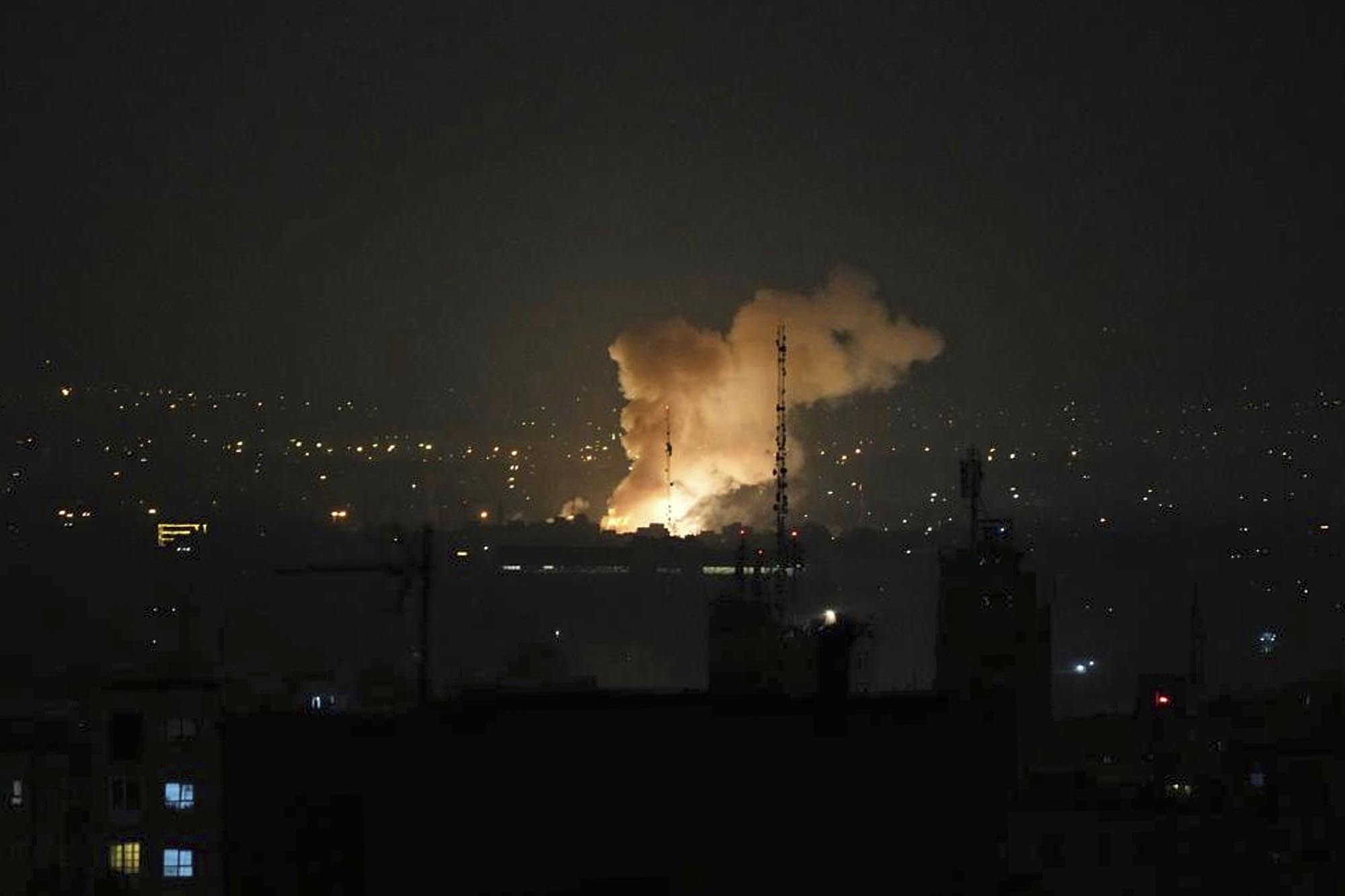
The United States’ decision to announce a temporary five-day pause in strikes on Iran’s energy infrastructure, alongside renewed claims of ongoing talks with Tehran, reflects a calculated diplomatic maneuver rather than a shift toward de-escalation. Behind the rhetoric of dialogue, Washington appears to be pursuing a multi-layered strategy aimed at stabilizing a rapidly deteriorating geopolitical and economic environment shaped by the ongoing confrontation with Iran.
At the heart of this approach lies the urgent need to contain the shockwaves hitting global energy markets. The disruption linked to tensions around the Strait of Hormuz has driven oil prices sharply higher, threatening both Western economies and broader international stability. By temporarily halting attacks, the U.S. seeks to ease pressure on energy flows while creating space to manage the fallout from market volatility that risks spiraling further out of control.
Equally critical is the military dimension of this pause. The halt provides Washington with valuable time to reassess its operational trajectory in the conflict and address logistical constraints, including replenishing depleted missile stockpiles. At the same time, it allows decision-makers to evaluate whether to escalate into a new phase of confrontation or consolidate gains already achieved. Parallel to this, the move serves a political function, strengthening the U.S. position domestically and internationally by projecting an image of restraint while maintaining pressure on Tehran through conditions unlikely to be accepted, such as demands tied to reopening the strategic maritime corridor.