US Retail Sales Beat Expectations in August Despite Tariffs

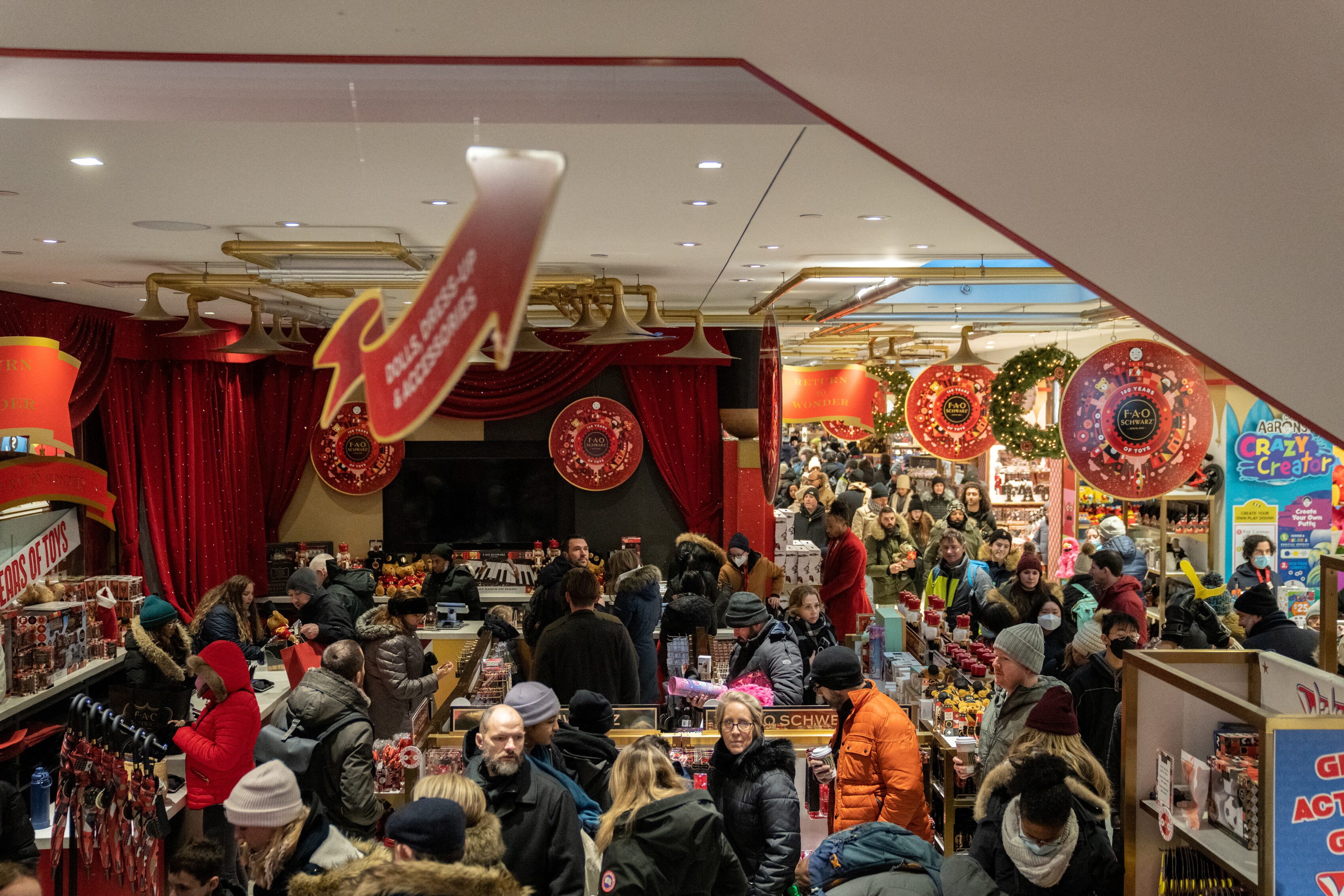
Retail sales in the United States rose more than analysts expected in August, government data showed Tuesday, even as President Donald Trump’s tariffs ripple through the world’s biggest economy.
Compared with the same period a year ago, retail sales were up 5.0 percent last month.
Consumer spending is a major driver of the US economy. Businesses have reported price pressures from tariff hikes on imports, and all eyes are on consumers’ reactions as the additional costs trickle down.
In August, sales at dealers of motor vehicles and parts were up 0.5 percent from July, while those at restaurants and bars climbed 0.7 percent.
Spending at grocery stores also rose by 0.3 percent.
Sales at furniture stores dropped 0.3 percent from the prior month, while general merchandise stores saw their sales dip by 0.1 percent as well — with sales at department stores in particular falling.
This indicates that consumers may be pulling back in specific areas.
While importers and retailers have been seen absorbing some of the additional tariffs, it remains to be seen how long they can do so.
Many firms also stocked up on products in anticipation of Trump’s bevy of new duties this year. But as inventory runs low, they will have to make purchases — likely at higher prices.
Since returning to the presidency in January, Trump has slapped a 10-percent tariff on goods from almost all trading partners.
In early August, he hiked this level to varying higher rates for dozens of economies including the European Union, Japan and Vietnam.
Trump has also targeted certain sector-specific imports such as steel, aluminum and automobiles with separate tariff levels, adding to businesses’ pressures.
Economists warn that such duties could fuel inflation but some argue that the effects could have a one-off effect.
For now, the levies appear to have a limited impact on consumer prices, although their full effects are yet to be seen.