UN Warns of Worsening Hunger and Energy Crisis as Middle East Conflict Enters 4th Week

The military escalation in the Middle East and the Gulf entered its 25th consecutive day, amid a context marked by mounting calls on the international community to intensify its mobilization in order to prevent a large-scale humanitarian and food catastrophe with in the region, and reach a diplomatic solution for the crisis.
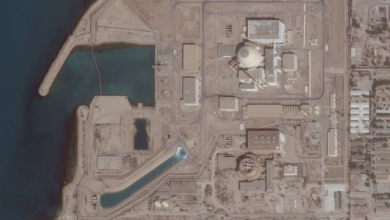
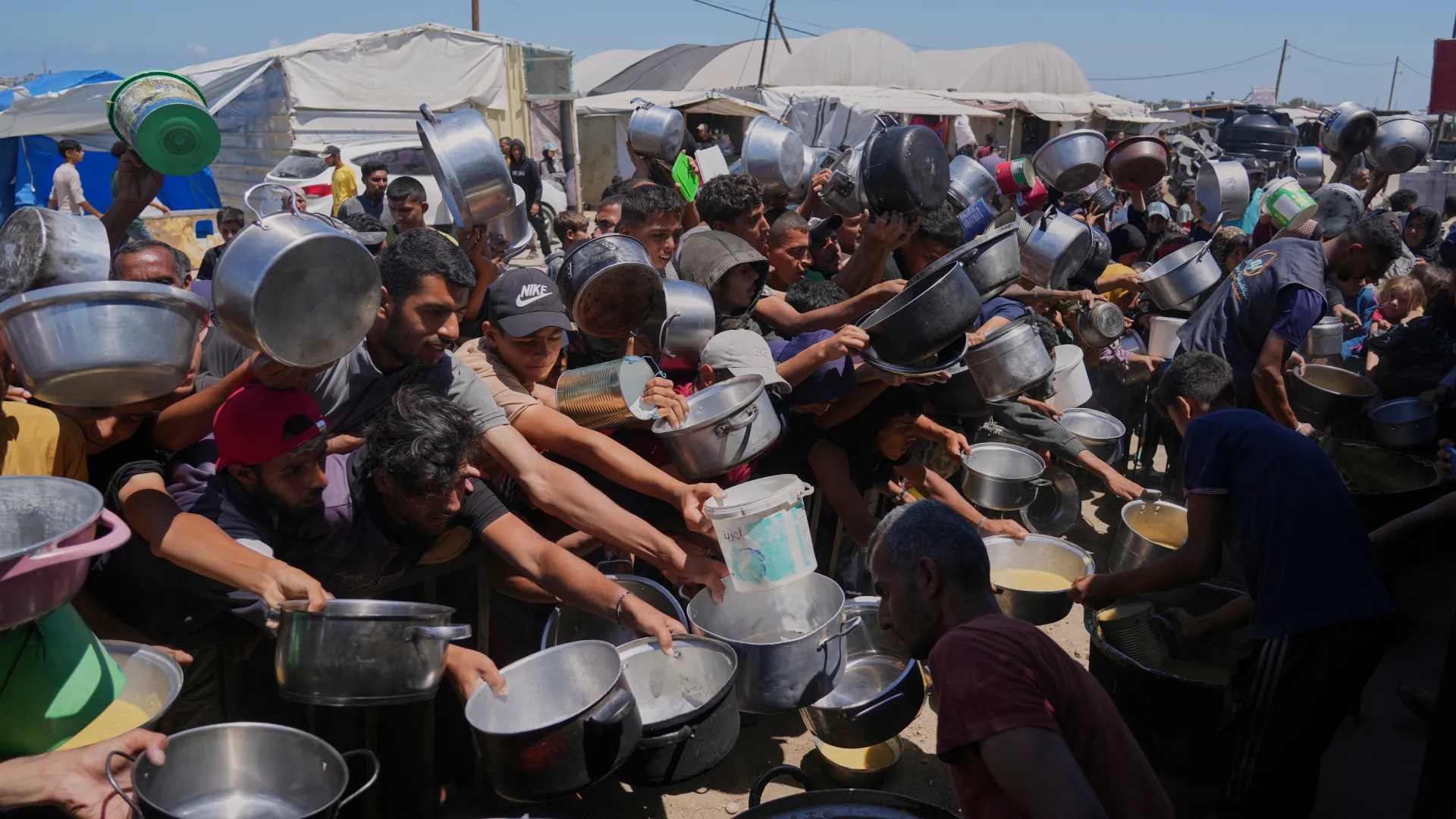
In light of these persistent tensions, several United Nations and humanitarian agencies continue to express concern over the risk of the conflict evolving into a major food and humanitarian crisis, whose burden would fall on civilians, they also warned of the scale of the energy crisis triggered by the targeting of energy facilities and economic and essential infrastructures.
In this regard, the United Nations World Food Programme (WFP) said in a statement that “the number of people facing acute hunger is projected to increase by 45 million if the conflict continues,” noting that the crisis risks evolving into a widespread humanitarian catastrophe in the absence of an adequate response.
He added that the total number of people that could become acutely food insecure in 2026 could reach 363 million by June, if the current conditions continue.
The WFP further highlighted that the escalation caused delays in the distribution of tens of thousands of tons of food aid destined for the world’s poorest countries.
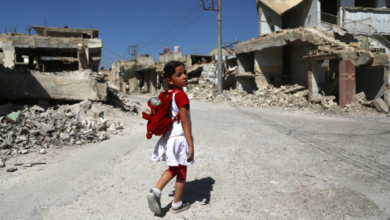
Speaking at a press conference at the UN headquarters, the Deputy Executive Director of the United Nations Children’s Fund (UNICEF), Ted Chaiban, said that “children across the region are paying a devastating price,” adding that “a further descent into a wider or protracted conflict would be catastrophic for millions more.” The UN official called on the international community to take three immediate measures, namely a ceasefire, protection of civilians and civilian infrastructure, and the safe, rapid and unimpeded humanitarian access.
Similarly, the United Nations Educational, Scientific and Cultural Organization (UNESCO) warned that if the violence continues, the Middle East could suffer a deeper learning crisis, marked by a growing denial of eductaion for the most vulnerable children, loss of teachers and researchers, weakening of public trust in institutions as well as lasting damage to the region’s scientific capacities.
As regards the economic and logistical consequences of this war, the director of the UN Office for Project Services executive, Jorge da Silva, emphasized that the repercussions of the situation extend far beyond the region, given the “exponential price hikes in oil, fuel and gas” that are destabilizing the global economy.
Da Silva also underscored that humanitarian operations are similarly under mounting strain following the closure of airspace, maritime routes, and key crossing points hampering access to essential supplies, notably medicines.
He further stressed that “there is no military solution”, calling for renewed diplomatic efforts to end the crisis.
Meanwhile, the regional landscape continues to witness a surge in diplomatic activity, led by leaders of the region’s countries through a series of international discussions, with a view to discussing the repercussions of this intensifying escalation and exploring means to contain it and reduce its risks.
In the same regard, the Saudi Minister of Foreign Affairs, Faisal bin Farhan Al-Saoud, held a phone conversation in recent hours with his Thai counterpart, Sihasak Phuangketkeow, to discuss the latest developments in the region and the ongoing international efforts.