Nearly 29 million people across six countries in the Sahel region are in desperate need of humanitarian aid and protection, the United Nations Office for the Coordination of Humanitarian Affairs (OCHA) warned on Thursday, stressing that “lives are at risk if humanitarians do not receive the necessary funding.”
“Across the Sahel, millions of vulnerable women, children, and men are in urgent need of humanitarian assistance,” said Charles Bernimolin, head of OCHA’s regional office for West and Central Africa.
A 2025 assessment for the Sahel estimates humanitarian needs at $4.3 billion to assist 18.4 million people in Burkina Faso, Cameroon, Mali, Niger, Nigeria, and Chad. The crisis is driven by a complex web of interconnected emergencies worsened by growing instability, violence, insecurity, and the impacts of climate change.
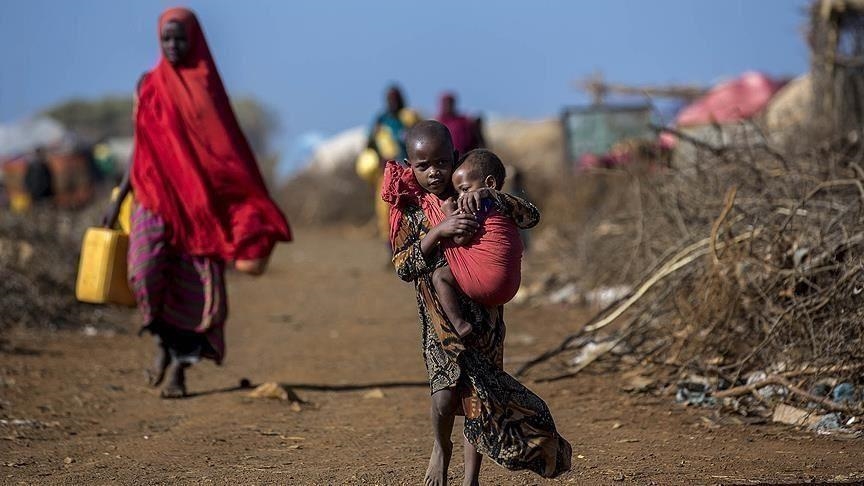
Displacement is rising sharply in the region, which now hosts 2.1 million refugees and asylum seekers and 5.9 million internally displaced persons—up by 6% and 20% respectively since the beginning of 2024. Between June and August 2025, 12.8 million people in the region are expected to face food insecurity, and 2.6 million children are projected to suffer from severe acute malnutrition.
Yet, these mounting needs are being met with declining donor funding. According to OCHA, if the international community fails to act immediately, lives will be lost, vulnerabilities will deepen, and the crises could further spiral out of control.
“This region needs a properly funded humanitarian response. But without adequate financing, it’s those in need who will pay the highest price,” Bernimolin stressed. “In a time of growing financial strain, we must remember: this is not about balancing a budget, it’s about saving human lives.”
In 2024, humanitarian partners provided life-saving assistance and protection services to 12.4 million people. However, millions more received no aid due to a lack of funding. As of May 26, 2025, only 8% of the $4.3 billion funding appeal had been met.