UN Official: RSF are blocking life-saving aid to famine-hit Darfur

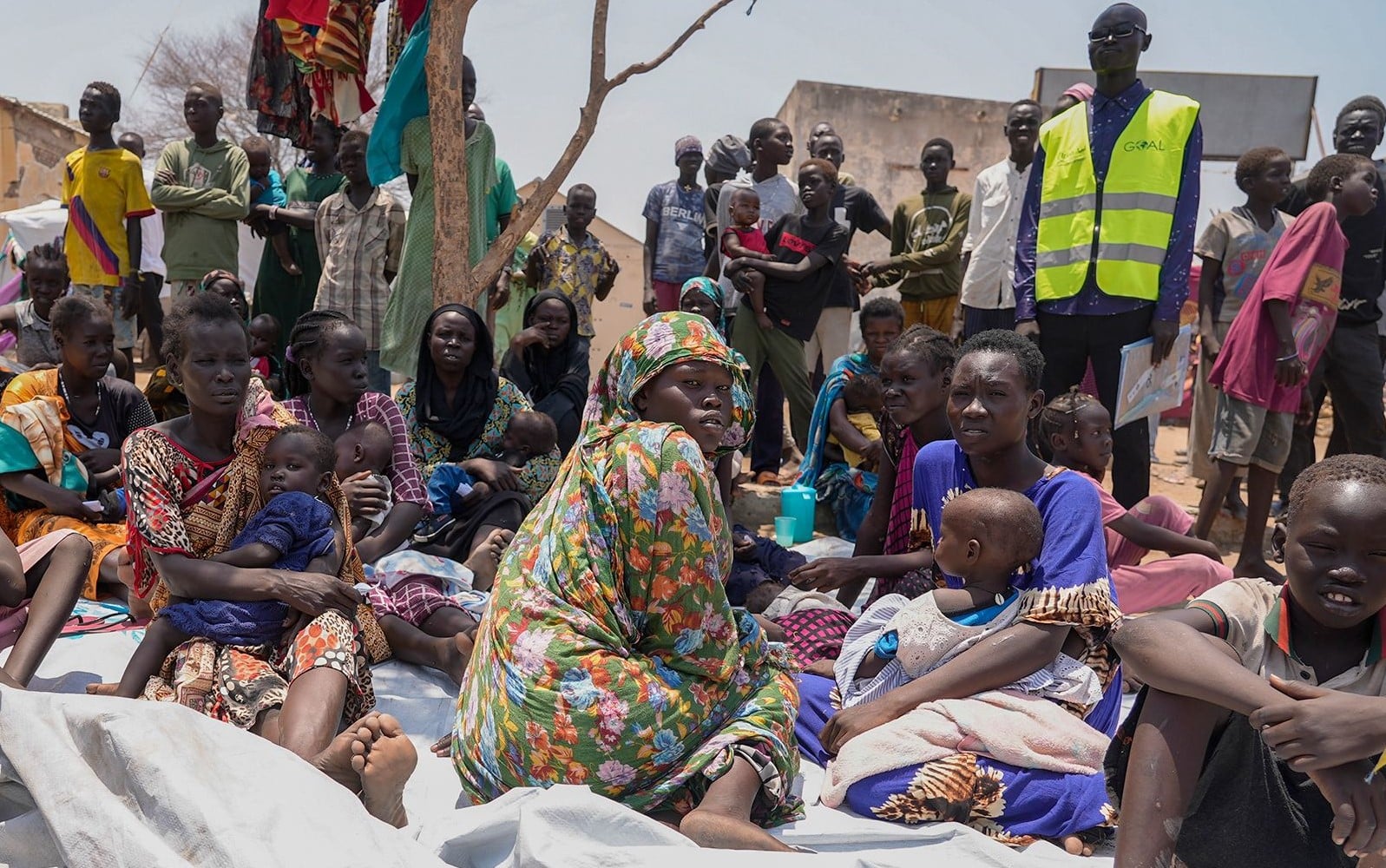
The United Nations’ top humanitarian official in Sudan said on Monday that the Rapid Support Forces are preventing life-saving aid from reaching many people in the famine-hit Darfur region.
Clementine Nkweta-Salami, the U.N. resident and humanitarian coordinator in Sudan, said in a statement that the RSF have imposed “obstruction, undue interference, and operational restrictions” on aid supplies to areas under their control, especially in Darfur. The RSF and their allied militias control most of that western region.
“The persistent restrictions and bureaucratic hurdles …. are preventing life-saving assistance from reaching those in desperate need,” she said.
Famine has been detected in at least five areas, including three camps for displaced people in Darfur, according to the Integrated Food Security Classification. In its December report, the IPC warned that famine was spreading, and five other areas in Darfur have been projected to experience famine in coming months.
The war has created the world’s largest displacement crisis, driving over 14 million people—about 30% of the population—from their homes, according to the U.N., with an estimated 3.2 million having crossed into neighboring countries, including Chad, Egypt, and South Sudan.
The U.N. and rights groups reported atrocities, including ethnically motivated killing and rape. Accordingly, the International Criminal Court has said it was investigating alleged war crimes and crimes against humanity.
The Biden administration, before it left office last month, determined that the RSF and its proxies are committing genocide.
Separately, the Sudanese army has been regaining control of areas in the city previously held by the RSF in recent weeks.
On Sunday, the Sudanese military called for diplomatic support for a new government that it says it wants to form after it recaptures the capital, Khartoum.
Army leader Gen. Abdel Fattah al-Burhan told a meeting of politicians that he would form a “technocratic” wartime government with a prime minister.
“We can call it a caretaker government, a wartime government, but it’s a government that will help us complete what remains of our military objectives, which is freeing Sudan from these rebels,” he said on Saturday.
A statement by the foreign ministry on Sunday called on “the international community, particularly the United Nations, the African Union, and the Arab League, to support the roadmap presented by the state as a national consensus for establishing peace and stability and completing the tasks of the transition.”