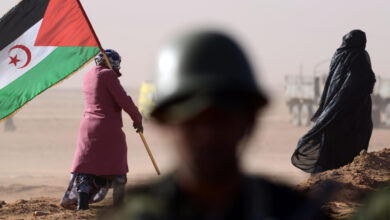
UN Human Rights Council Hosts Symposium on Violations Against Sahrawi Women

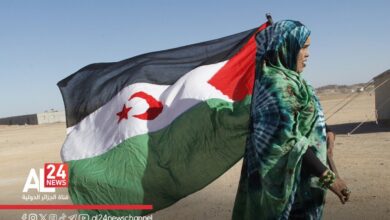
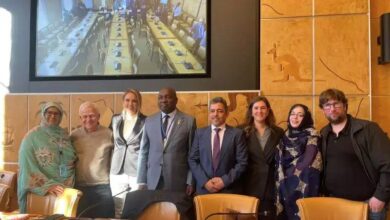
GENEVA — The United Nations Human Rights Council headquarters in Geneva hosted an international symposium on Monday, highlighting systematic violations committed by the Moroccan occupying administration against Sahrawi women in the occupied part of Western Sahara. The event, held on the sidelines of the 59th session of the Council, brought together diplomats, human rights activists, university scholars, and victims of abuse to shed light on the dire human rights situation in Africa’s last colony.
The symposium exposed the daily oppression and intimidation endured by Sahrawi women due to their peaceful resistance and commitment to the struggle for dignity and self-determination. Several Sahrawi women gave powerful live testimonies recounting acts of torture, harassment, and injustice. The participants unanimously called on the international community and human rights organizations to act urgently to end these violations and ensure the Sahrawi people’s right to self-determination.
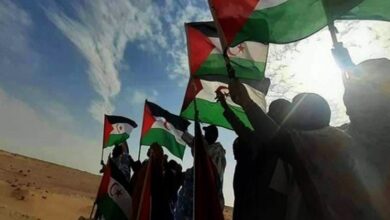
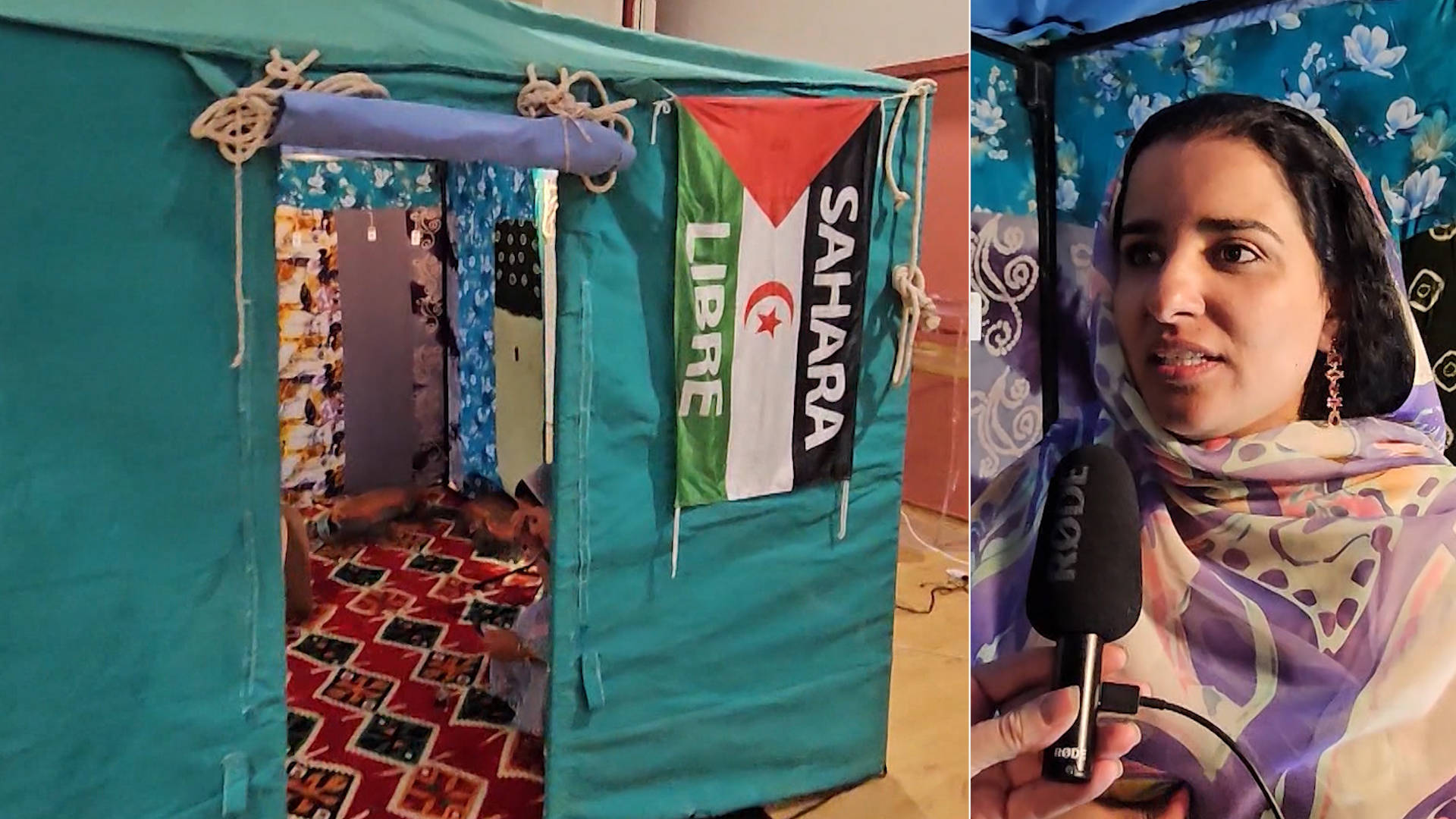
In a symbolic gesture, a traditional Sahrawi tent was erected inside the UN headquarters—an unprecedented act meant to embody the Sahrawi people’s identity and resilience. Outside, the Association of Daughters of Saguia el-Hamra and Rio de Oro held a peaceful vigil in front of the UN complex, demanding the release of Sahrawi political prisoners and protection for civilians in the occupied territories.
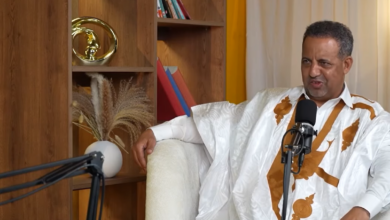
Polisario Front representative to the UN and Geneva-based organizations, Ubi Bouchraya Al-Bachir, hailed the wave of solidarity witnessed in Geneva in recent days, including the screening of the documentary Four Days in Western Sahara. He emphasized the significance of Monday’s symposium, which featured voices such as journalist Amy Goodman, Spanish activist Maria Carrión, and Sahrawi advocate Yakouta Al-Mukhtar. Prominent Sahrawi figures Al-Ghalia Djimi and Sultana Khaya also offered deeply moving testimonies documenting decades of abuses.
The South African Ambassador to the Human Rights Council reaffirmed his country’s firm support for the Sahrawi people and decried the international community’s failure to complete the decolonization of Western Sahara. In conclusion, Bouchraya Al-Bachir expressed hope that Geneva’s growing momentum of solidarity will pressure the UN to hold Morocco accountable and finally bring international human rights oversight to the long-occupied territory.