UK Accuses Iran of Holding Global Economy “Hostage” as Nations Seek to Reopen Strait of Hormuz

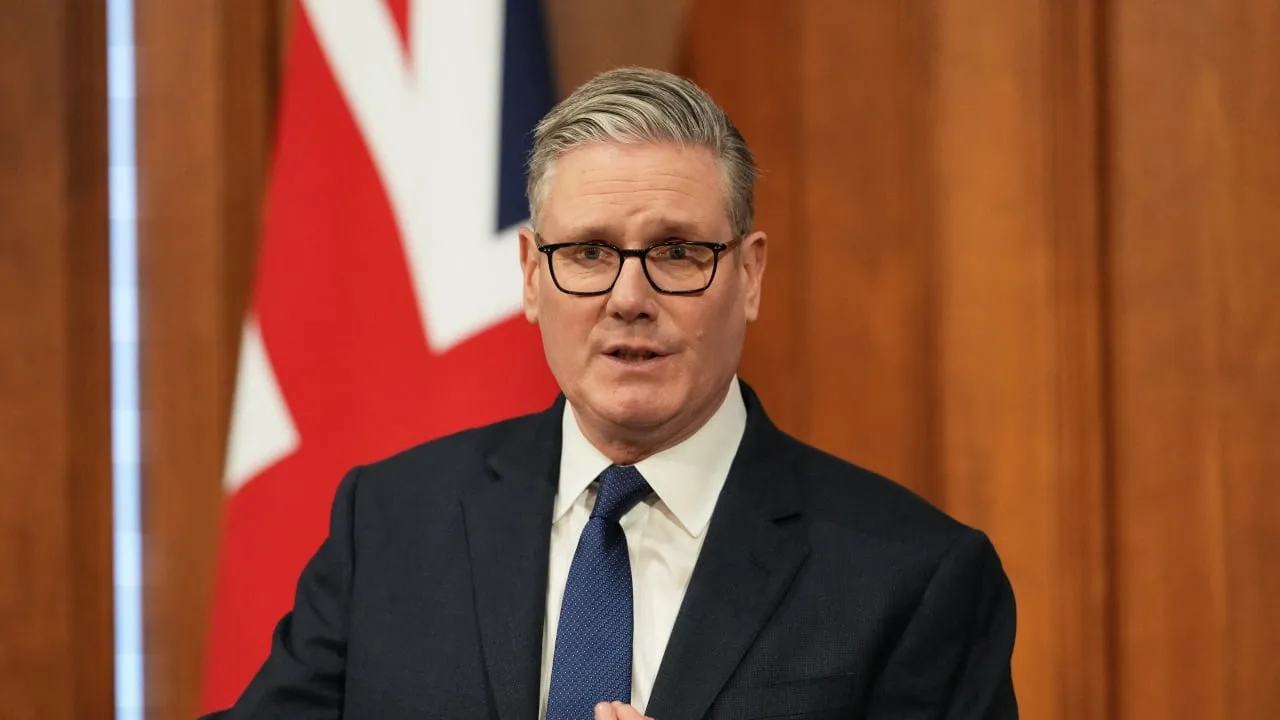
Britain on Thursday accused Iran of holding the global economy “hostage,” as diplomats from more than 40 countries convened urgent talks aimed at reopening the Strait of Hormuz, a critical shipping route disrupted by the ongoing US-Zionist war against Iran.
The United States did not participate in the virtual meeting, following remarks by President Donald Trump indicating that securing the strait is not Washington’s responsibility. Trump has also criticized European allies for their limited support in the conflict and renewed threats to withdraw the US from NATO.
UK Foreign Secretary Yvette Cooper said the talks reflect strong international resolve to reopen the waterway through political and diplomatic means rather than military action. She accused Iran of effectively seizing control of a key global shipping route, warning that sharp increases in oil and food prices are placing heavy pressure on households and businesses worldwide.
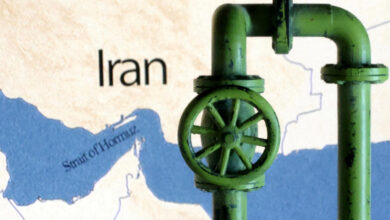
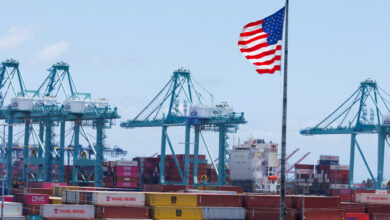
Shipping activity in the Strait of Hormuz has dropped dramatically, with Iranian attacks on commercial vessels and the threat of further strikes halting most maritime traffic. The waterway, which connects the Persian Gulf to global oceans, is a vital artery for global oil supplies, and its disruption has driven energy prices sharply higher.
In the meantime, more than three dozen countries—including the UK, France, Germany, Italy, Canada, Japan, have signed a joint statement calling on Iran to cease efforts to block the strait and pledging to support initiatives to ensure safe maritime passage.
Cooper added that discussions also focused on safeguarding approximately 20,000 seafarers aboard around 2,000 vessels currently stranded due to the conflict.
The international initiative also carries political implications, signaling to Washington that European powers are prepared to take greater responsibility for global security. Analysts note similarities with coalition-building efforts led by the UK and France in support of Ukraine, aimed in part at addressing longstanding US concerns over burden-sharing within NATO.
Experts argue that Europe and Asia face more immediate economic fallout from disruptions in Gulf energy supplies than the United States, which has become a major oil exporter. As a result, the urgency to restore stability in the Strait of Hormuz is particularly acute for those regions.