Trump’s Tariff Blitz Yields Few Deals as Global Trade Tensions Simmer

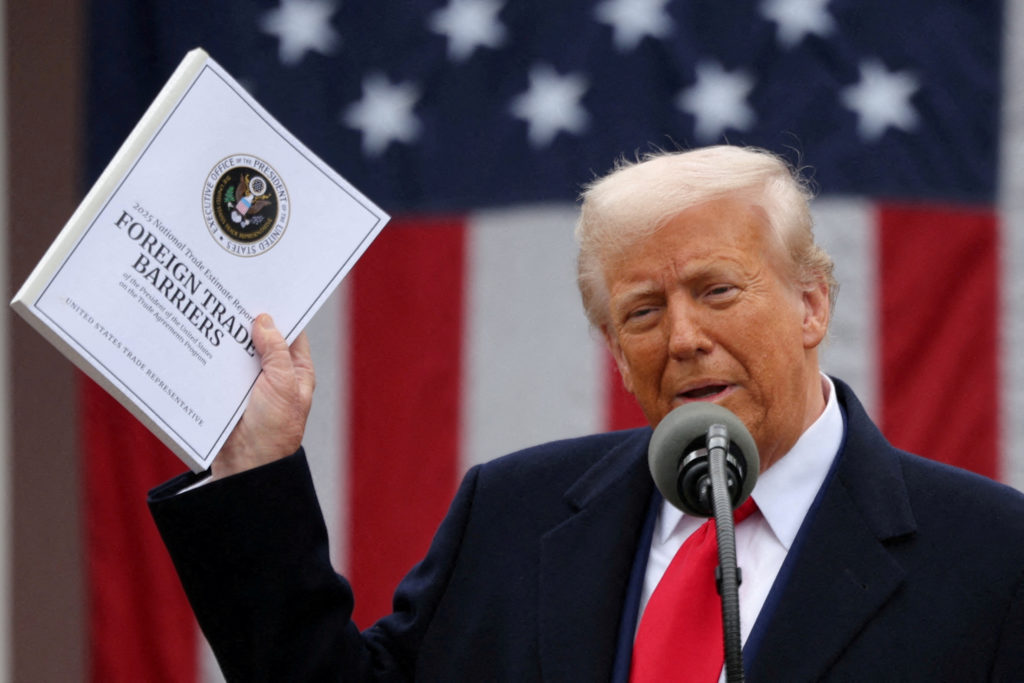
WASHINGTON – U.S. President Donald Trump has repeatedly asserted that every country is eager to negotiate trade agreements with his administration. However, during a self-imposed 90-day pause on sweeping tariffs, the U.S. managed to finalize trade deals with just three nations, falling far short of Trump’s pledge to secure “90 deals in 90 days.”
On April 2, Trump announced a bold plan to impose reciprocal tariffs—ranging from 10% to 50%—on countries running significant trade surpluses with the U.S. The move sparked fears of a global trade war and roiled financial markets. In an attempt to de-escalate tensions, the White House paused the tariffs for 90 days for countries that refrained from retaliating. Despite this, a trade showdown with China intensified, with U.S. tariffs on Chinese goods soaring to 145%, prompting Beijing to respond in kind. A temporary truce was reached in Geneva in May, leading to mutual tariff reductions—down to 30% from the U.S. and 10% from China—followed by further discussions in London.
Only three agreements emerged during the pause. The first was with the United Kingdom, which agreed to increased imports of U.S. beef and ethanol in exchange for eased tariffs on British car exports and metals. A second deal followed with India, though details remain limited. The third agreement came in early July with Vietnam, which accepted a 20% tariff on its exports and a 40% tariff on re-exported goods, while the U.S. secured duty-free access to the Vietnamese market.
Countries that failed to reach a deal—including Japan and South Korea—will face new 25% tariffs starting August 1, along with targeted sectoral tariffs. The Trump administration has begun issuing formal notices, with more countries slated for tariffs ranging from 25% to 40%, including Malaysia, Kazakhstan, Tunisia, South Africa, and several Southeast Asian nations.
While Trump defends the approach as necessary to rebalance trade, analysts warn that prolonged uncertainty and escalating tariffs risk solidifying into long-term trade barriers. With key negotiations still stalled with Japan, India, and the EU, doubts are growing over the sustainability and global fallout of Trump’s aggressive trade strategy.