Spain Conducts Search for Bodies After Devastating Flood Claims At Least 95 Lives

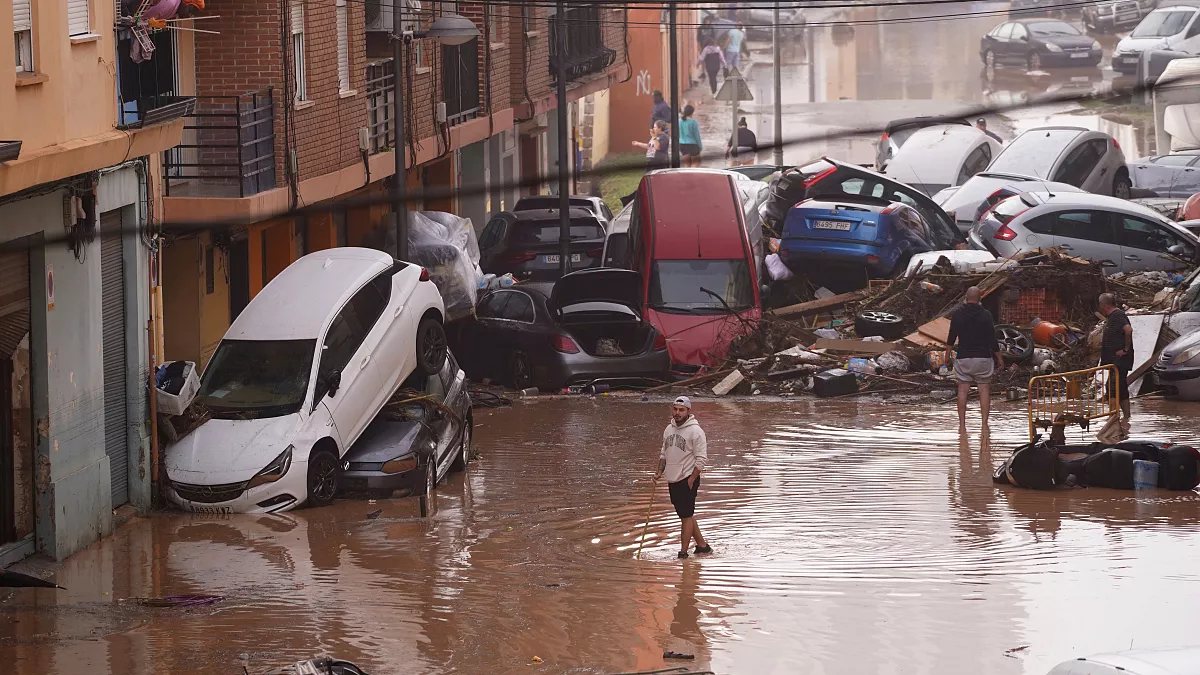
Survivors of the worst natural disaster to strike Spain this century awoke on Thursday to scenes of utter devastation after monstrous flash floods obliterated entire villages, resulting in at least 95 confirmed deaths. The death toll is expected to rise as search and rescue operations continue, with an unknown number of individuals still missing. The destruction resembles that left by a powerful hurricane or tsunami, with wrecked vehicles, tree branches, and household items buried in mud across the streets of Barrio de la Torre, a suburb of Valencia. This area was one of many severely affected in the region, where 92 fatalities occurred between late Tuesday and Wednesday morning.
As torrents of rushing water transformed narrow streets into lethal traps, rivers surged into the ground floors of homes, sweeping away cars, people, and everything else in their path. “The neighborhood is destroyed, all the cars are on top of each other; it’s literally smashed up,” lamented Christian Viena, a local bar owner. Regional authorities reported that by late Wednesday, no one remained stranded on rooftops or in vehicles needing rescue after helicopters had evacuated around 70 people. Ground crews and local residents continued to assess the damage to cars and homes in the aftermath of the flooding.
Over a thousand soldiers from Spain’s emergency rescue units have joined regional and local emergency personnel in the search for bodies and survivors. By Wednesday night, soldiers had recovered 22 bodies and rescued 110 individuals, according to the defense minister. “We are searching house by house,” said Ángel Martínez, an official of a military emergency unit, while broadcasting from the town of Utiel, where at least six lives were lost.
Spanish Prime Minister Pedro Sánchez is set to visit the region to witness the destruction firsthand as the nation observes a three-day official mourning period. Thousands remain without water or electricity, and hundreds are stranded due to wrecked vehicles or blocked roads. The region continues to face isolation, with several roads cut off and train lines disrupted, including high-speed services to Madrid, which officials estimate will take several days to restore.
While Valencia experienced the brunt of the storm, two additional casualties were reported in the nearby Castilla La Mancha region, with one death in southern Andalusia. The calm that followed the disaster has sparked reflection and criticism of authorities for their delayed response in issuing flood warnings. The regional government has faced backlash for not sending out alerts to residents’ mobile phones until 8:00 p.m. on Tuesday, despite flooding having already begun in certain areas.
Although Spain’s Mediterranean coast is accustomed to autumn storms that can result in flooding, this event has been recognized as the most intense flash flood occurrence in recent memory. Scientists attribute the severity of these floods to climate change, which is also linked to rising temperatures and drought conditions in Spain, as well as the warming of the Mediterranean Sea.