Security Council: Algeria Calls for Reform of the UN Counterterrorism Framework

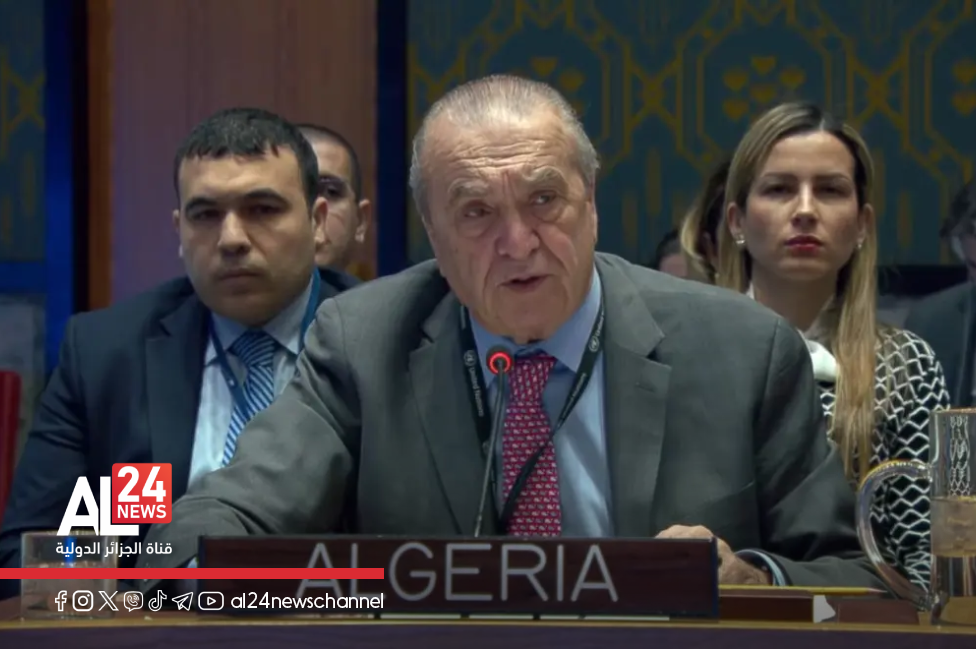
Algeria has called, from New York, for reform of the United Nations counterterrorism framework, putting forward recommendations for the future of this system.
During the presentation on Wednesday before the Security Council of the review of Algeria’s presidency of three subsidiary bodies of the Council—namely the Sanctions Committee concerning the Central African Republic (Committee 2745), the Counter-Terrorism Committee (1373), and the Working Group 1566—Algeria’s Permanent Representative to the UN, Amar Bendjama, recalled that Algeria led the unanimous adoption of the “Algeria Guiding Principles on the Prevention of Terrorist Financing through New Technologies.”
This official Security Council document now constitutes a reference framework to counter the exploitation of emerging financial technologies by terrorist groups.
“This historic adoption crowned nearly a year of intense negotiations among the fifteen members of the Council, particularly as the issue involves national, regional, and international stakeholders, including security services, financial institutions, and bodies overseeing traditional and emerging financial flows,” he stressed.
Ambassador Bendjama also drew the Council’s attention to a troubling imbalance: while Africa accounts for 59% of terrorism-related deaths worldwide, the continent remains underrepresented in evaluation visits by the Counter-Terrorism Committee (CTC) and receives only a fraction of international counterterrorism resources.
“This is not only a security crisis, but a crisis of international solidarity,” the ambassador said, calling for prioritization of the most affected countries, particularly in the Sahel.
Regarding Committee 2745, Algeria’s representative to the UN noted that under Algeria’s presidency, the Sanctions Committee concerning the Central African Republic oversaw major developments, including the unanimous adoption of Resolution 2745 (2024) in July 2024, which ended four years of divisions within the Council and lifted the arms embargo in favor of the Central African government.
As for procedural reforms, Ambassador Bendjama pointed out that Algeria also secured the revision of Note 507, which now guarantees all Council members equal access to relevant documents of subsidiary bodies—an advance benefiting all elected members.
Bendjama further emphasized the importance of updating the sanctions list, which has become obsolete, and highlighted the update by the Algerian presidency of guidance notes for the implementation of the sanctions regime following Resolution 2745 (2024).
Algeria’s representative to the UN, who highlighted Algeria’s major achievements before members of the Security Council, also underscored the negative impact of delays in appointing the chairs of subsidiary bodies for 2025, which occurred only on May 29.
This delay “generated substantial consequences, including compromised strategic planning, difficulties in implementing mandates, and scheduling conflicts between meetings of subsidiary bodies and Council activities,” he noted. He therefore recommended “strict respect for the January 1 deadline for future appointments.”