Sahrawi Women’s Struggle, Reference for Women Worldwide, Spanish Filmmaker Says

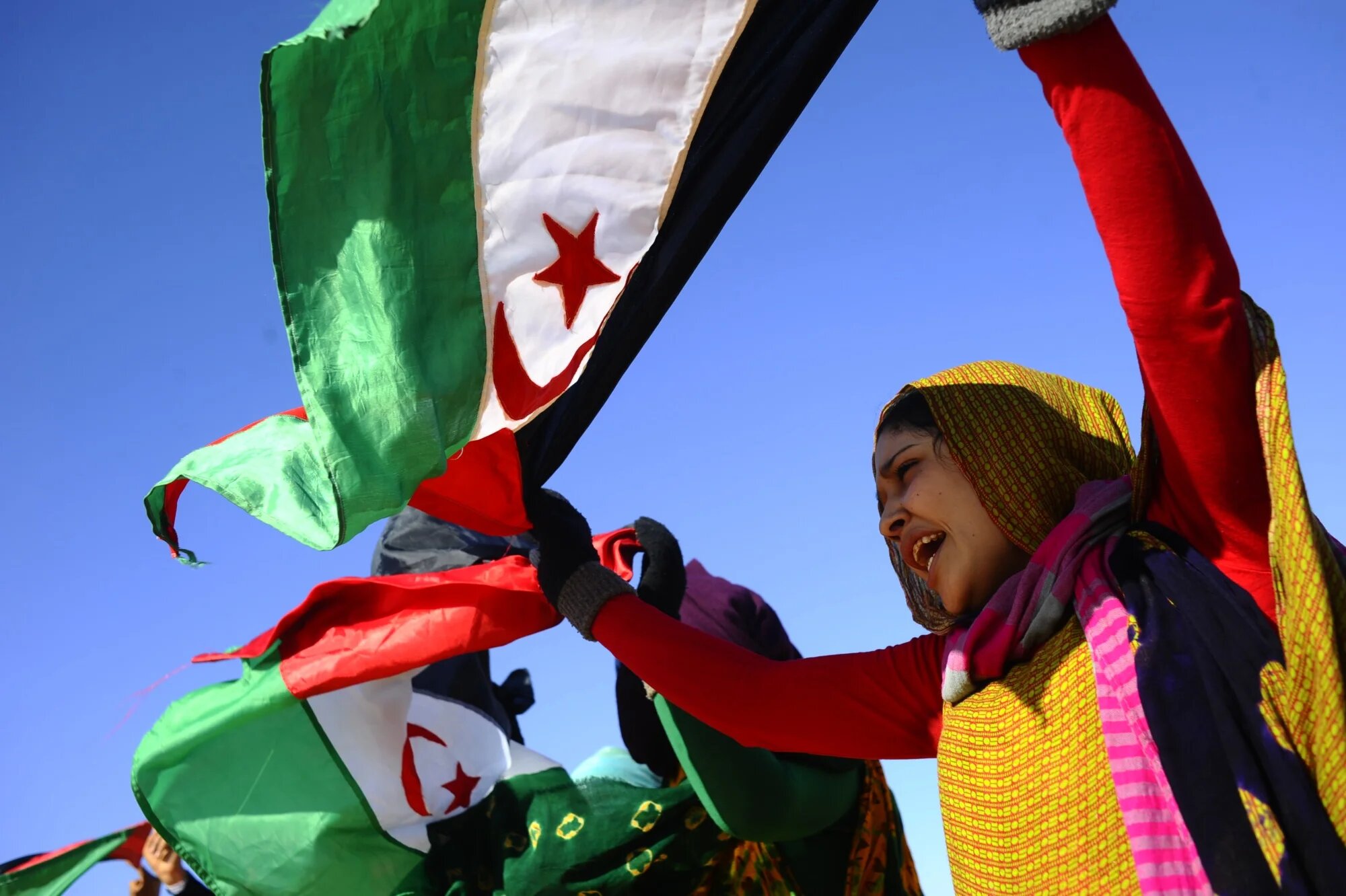
Spanish cinematographer and director Raquel Larrosa described the struggle of the Sahrawi women against Moroccan occupation for their legitimate right to self-determination and independence as “an example to be followed” and a “reference” for women around the world.
In an interview with a Spanish website about her documentary “Disonancia” (Dissonance), which sheds light on the work of a volunteer women’s association dedicated to detecting and removing landmines in Western Sahara, Larrosa praised Sahrawi women’s efforts to address the deadly legacy of Moroccan occupation.
She underlined their establishment of an all-female team working along the 2,700-km sand wall built by occupying forces to partition Western Sahara, which continues to threaten the lives of defenseless civilians.
She emphasized that the documentary chronicles a team driven by humanitarian and social conviction while simultaneously challenging the stereotypes often associated with Sahrawi women.
“I focused on this organization because in many armed conflicts, women bear the burden of an image that often reduces them to mere victims,” she said.
She pointed out that in Western Sahara, “human rights have been violated daily for fifty years, with anti-personnel mines continuing to maim and kill civilians.” “What particularly interests me about this film is dismantling the notion that mine clearance, like any other profession, is gendered, and showcasing those who preserve peace and build the future in contrast to those who wage war and destroy,” she said.
She pointed out that Moroccan occupation forces have planted approximately 10 million anti-tank and anti-personnel mines across Western Sahara.
The Spanish director also highlighted, through this work, which took five years, “an ideal triangle” in a human story within a conflict that has existed for decades in complete disregard by the international community.
As for the film’s journey, the director said it has been screened at 44 festivals, garnered 13 awards or recognitions and is nominated for Best Short Documentary at the 2026 Goya Awards. It is currently streaming on the Filmin platform.