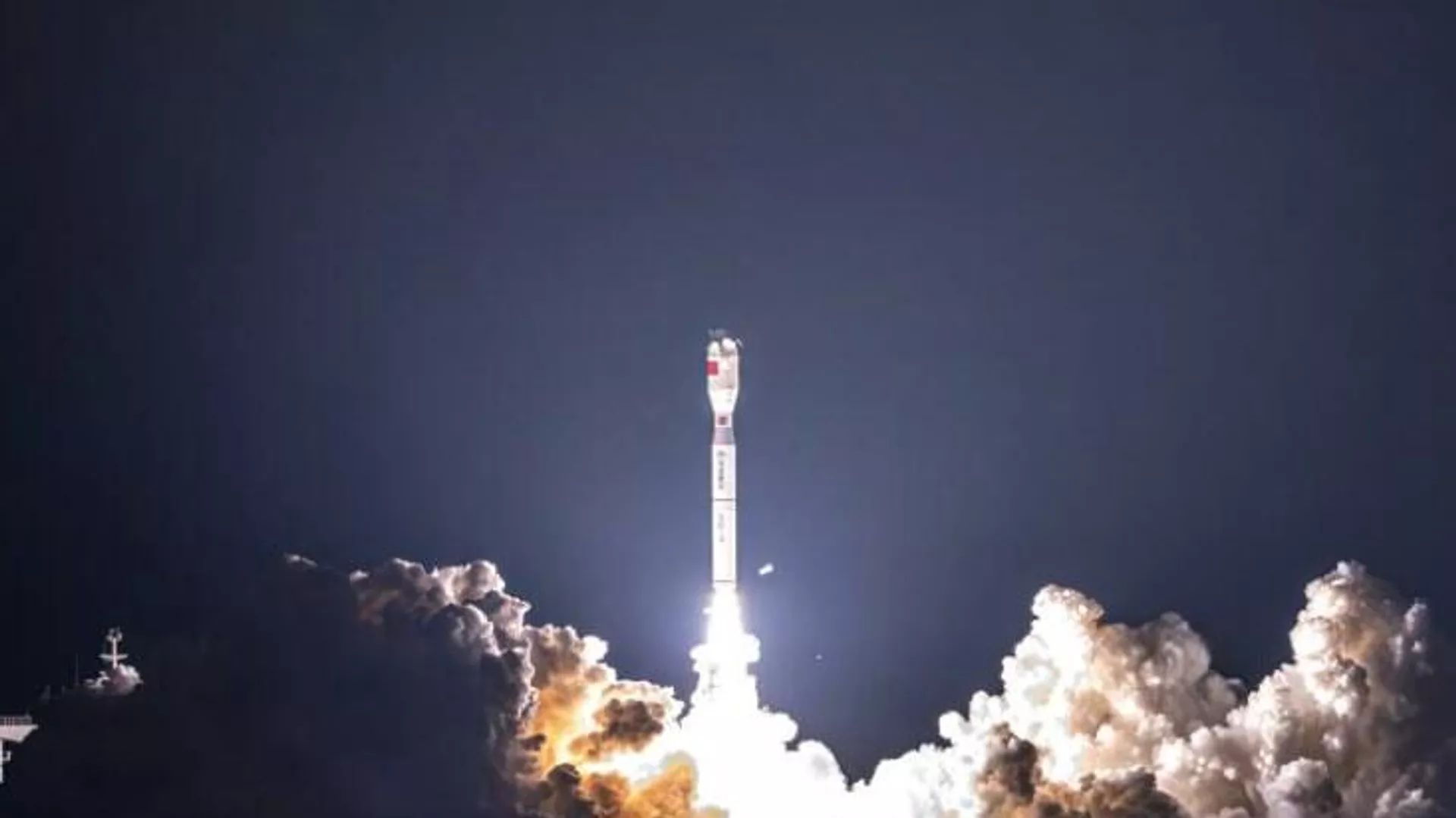
At a scorching 4,000°C—almost four times the melting point of steel—Russia’s Oreshnik warhead delivers a level of heat that can vaporize metals, obliterate concrete, and destroy even the most robust armored vehicles. This extreme temperature places it among the most destructive non-nuclear technologies ever developed.
Comparing Oreshnik’s Heat to Other Sources
- The Sun’s Surface (5,500°C): While the Sun’s surface is hotter, Oreshnik’s heat is localized and applied with precision, making it equally devastating in targeted scenarios.
- Jet Engines (1,500–2,000°C): The Oreshnik’s temperature doubles that of jet engines, easily degrading materials that can withstand combustion chambers.
- Plasma (10,000°C+): Though plasma surpasses the Oreshnik’s heat, the latter’s 4,000°C is more than enough to obliterate most terrestrial materials.
Material Response to 4,000°C
- Metals:
- Steel melts at 1,500°C and vaporizes at 4,000°C, making military vehicles and buildings with steel frameworks collapse.
- Aluminum, with a melting point of 660°C, would completely disintegrate under such heat.
- Tungsten, known for its extreme resilience with a melting point of 3,422°C, would still succumb.
- Concrete: Degrades at 300°C and vaporizes at 4,000°C, rendering reinforced concrete structures utterly destroyed. Steel reinforcements would melt, causing catastrophic structural failures.
- Vehicles and Infrastructure : Cars, tanks, and aircraft would combust and disintegrate under Oreshnik’s heat. Electrical systems, glass, and rubber components would fail instantly.
Implications
The Oreshnik’s unparalleled thermal capabilities make it effective against deeply buried bunkers, military fortifications, and critical infrastructure. While not a nuclear weapon, its ability to vaporize materials and devastate targets with precision poses significant strategic implications.