Polisario Front Firmly Rejects Non-Legal Proposals for Western Sahara Resolution

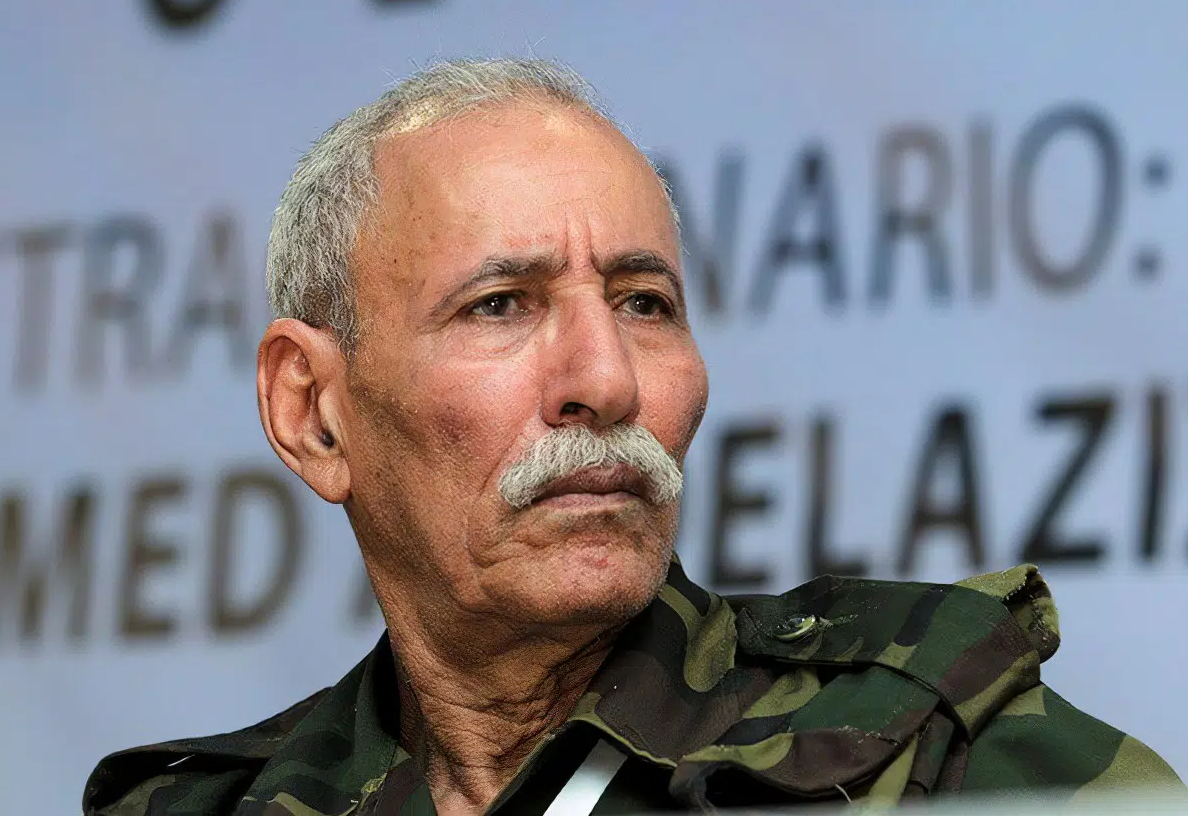
The Polisario Front has issued a strong statement rejecting any proposals that fall outside the established legal framework concerning the Western Sahara conflict. This declaration came after a briefing from Staffan de Mistura, the UN Secretary-General’s Personal Envoy for Western Sahara, during a recent closed session of the UN Security Council.
During their meeting with de Mistura on October 3, representatives of the Sahrawi people made it clear that they would not engage in discussions regarding any proposals, including partition, that do not comply with the legal standards set by the United Nations Mission for the Referendum in Western Sahara (MINURSO). The Polisario Front criticized such discussions, deeming them incompatible with the mission’s core mandate.
The statement recalled Morocco’s military invasion of Western Sahara on October 31, 1975, and the subsequent division of the territory with Mauritania in 1976. These actions were described as serious violations of international law and detrimental to the region’s territorial integrity, which remains under the process of decolonization.
Reiterating the international status of Western Sahara, the communiqué cited a recent ruling from the European Court of Justice that supports the Sahrawi cause. The Polisario Front firmly rejected any proposals or initiatives that do not affirm the Sahrawi people’s inalienable right to self-determination and independence.
The communiqué also addressed Morocco’s preconditions, labeling them as significant obstacles to resolving the conflict. In light of this, the Polisario Front expressed its readiness to cooperate with both the United Nations and the African Union in the pursuit of a just and peaceful resolution.
Concluding on a resolute note, the statement emphasized the Sahrawi people’s unwavering commitment to their liberation struggle, asserting their intention to employ all legitimate means—including armed struggle—until they achieve full freedom and sovereignty over the Sahrawi Arab Democratic Republic. This firm position highlights the ongoing challenges and complexities surrounding the Western Sahara issue, which continues to capture the attention of the international community.