A polio outbreak has been officially declared in Papua New Guinea, 25 years after the disease was eradicated, according to a report from the World Health Organization (WHO). The organization expressed grave concern over the country’s low vaccination rates.
Traces of the poliovirus, which is highly contagious and can result in lifelong disabilities for those infected, have been found in wastewater and samples collected from the capital, Port Moresby, as well as Lae, the nation’s second-largest city.
Tests have confirmed that two children in Lae are infected with the type 2 strain of the virus, heightening the WHO’s “serious concerns regarding the confirmed outbreak.”
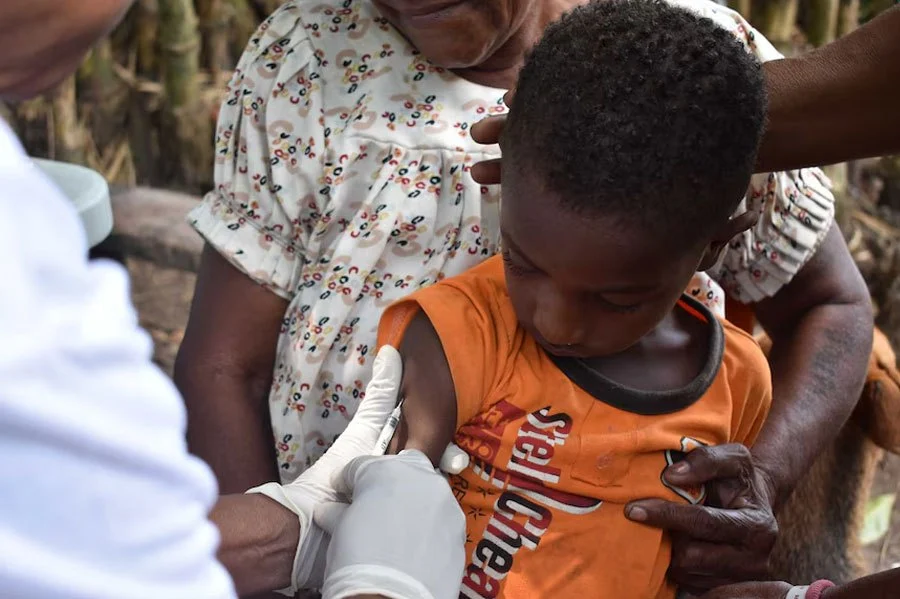
Polio was declared eradicated in Papua New Guinea in 2000; however, the vaccination rate among children remains alarmingly low, at under 50%, as reported by the WHO.
“Polio is a highly infectious disease, and the virus spreads rapidly from person to person in communities with low vaccination coverage,” said Sevil Huseynova, the WHO representative in the country, as reported by local media.
Primarily affecting children under the age of five, polio is an incurable disease, but it can be effectively prevented through vaccination. The disease was once widespread around the globe until the introduction of a vaccine in the 1950s.
Papua New Guinea’s Health Minister, Elias Kaparove, described the situation to the press as “serious but manageable,” assuring the public that authorities are “acting swiftly to protect children.”