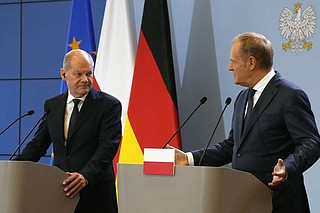
Poland and Germany have officially launched a “new opening” in bilateral relations, Polish Prime Minister Donald Tusk and newly elected German Chancellor Friedrich Merz announced Wednesday during a press conference in Warsaw. The leaders declared a fresh start after a decade marked by tensions and mutual misunderstandings, pledging to work closely on security, migration, and European integration.
Tusk described the reset as “perhaps the most important in the history of the last dozen or so years” and welcomed Merz’s decision to visit Warsaw immediately after Paris, calling it a strong signal of the importance of Polish-German relations for Europe’s future. Both leaders reaffirmed their commitment to strengthening the Weimar Triangle (France, Germany, Poland), which has waned in influence in recent years.
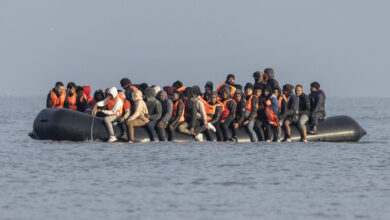
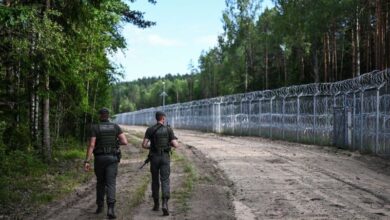
Key agenda items discussed included reinforcing Poland’s eastern border—also the EU’s frontier with Belarus and Russia—enhancing cooperation on migration, and preserving the Schengen area. The shift in tone contrasts with past friction, notably during the Law and Justice (PiS) government, which had demanded WWII reparations and accused Berlin of political interference.
Merz stressed Germany’s duty to remember the past, promising a permanent monument in Berlin to honor the victims of the Nazi occupation of Poland. He also signaled a stronger European defense policy, aligning with French efforts for strategic autonomy amid concerns over U.S. reliability under Donald Trump. Talks on nuclear deterrence in Europe and a bilateral defense treaty between France and Poland are also underway.