Pakistan: Monsoon Death Toll Approaches 200 in 24 Hours (Latest Update)

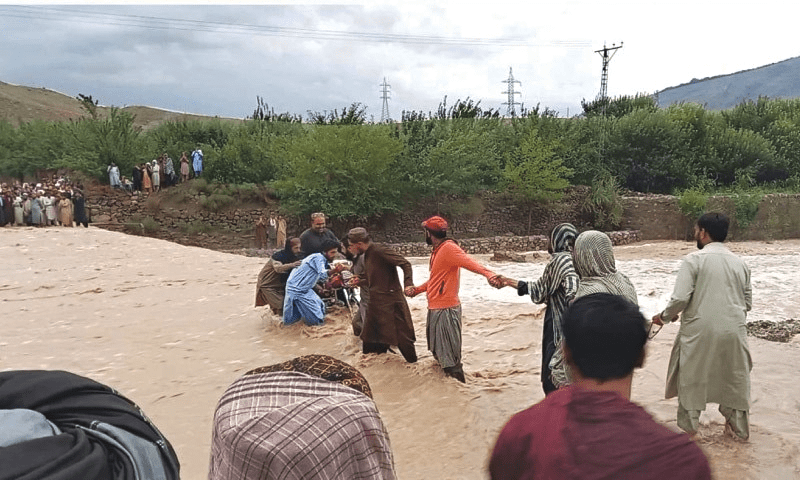
Torrential rains in northern Pakistan have led to at least 194 fatalities within a single day, according to the latest figures released by authorities on Friday. This grim statistic raises the total death toll to over 500 since the onset of the monsoon season in late June.
The Provincial Disaster Management Authority reported that at least 180 of the deaths occurred in the mountainous province of Khyber Pakhtunkhwa, which borders Afghanistan. Additionally, nine fatalities were recorded in Pakistani-administered Kashmir. In Indian-administered Kashmir, at least 60 victims have been reported from a Himalayan village, with another 80 individuals still unaccounted for.
Furthermore, five deaths were reported in the Gilgit-Baltistan region, located in northern Pakistan and home to several of the world’s highest peaks. A previous report had indicated a minimum of 164 deaths.
Since the beginning of what officials have described as an “unusual” summer monsoon, a total of 507 people, including approximately 100 children, have lost their lives, with 768 others injured. Authorities noted that three-quarters of the victims perished due to flash floods or collapsing structures, while 10% suffered electrocutions or were struck by lightning.
Officials are now advising against travel to the country’s northern tourist areas, particularly popular among climbers during the summer months. This year, the climate situation has reached unprecedented levels.
In July, Punjab, where nearly half of Pakistan’s population resides, experienced rainfall 73% higher than the previous year. During this month alone, the province recorded more fatalities than during the entirety of the previous monsoon season.
The monsoon season accounts for 70 to 80% of annual rainfall in South Asia between June and September, playing a crucial role in sustaining the livelihoods of millions of farmers in a region home to approximately two billion people. However, it can also lead to catastrophic flooding, as witnessed in 2022 when torrential rains impacted nearly one-third of the country, resulting in around 1,700 deaths and significant crop losses.