The United Nations stated on Thursday that Zionist authorities have denied more than one hundred requests for the entry of humanitarian relief supplies into the Gaza Strip, nearly one month after the ceasefire took effect in the enclave.
During a press briefing in New York, Farhan Haq, Deputy Spokesperson for the UN Secretary-General, said that humanitarian partners reported 107 requests for relief items that were not approved.
“Our partners report that since the ceasefire, the Israeli authorities have rejected 107 requests for the entry of relief materials,” Haq said.
“These include items such as blankets and winter clothing, as well as tools and materials needed to maintain and operate water, sanitation, and hygiene services,” he added.
“These restrictions continue to impede humanitarian operations, even as the United Nations and its partners are implementing a 60-day response plan to meet urgent needs,” he said.
Haq added that “some of the items refused were categorized by the Israeli authorities as not constituting humanitarian assistance,” which has further limited relief efforts.
“The United Nations and humanitarian partners could expand assistance if the remaining obstacles were lifted. Some of the items that were denied were classified by the authorities as not constituting humanitarian assistance,” he noted.
Despite the ceasefire, the UN Office for the Coordination of Humanitarian Affairs (OCHA) continues to receive reports of ongoing military activity in several areas of Gaza.
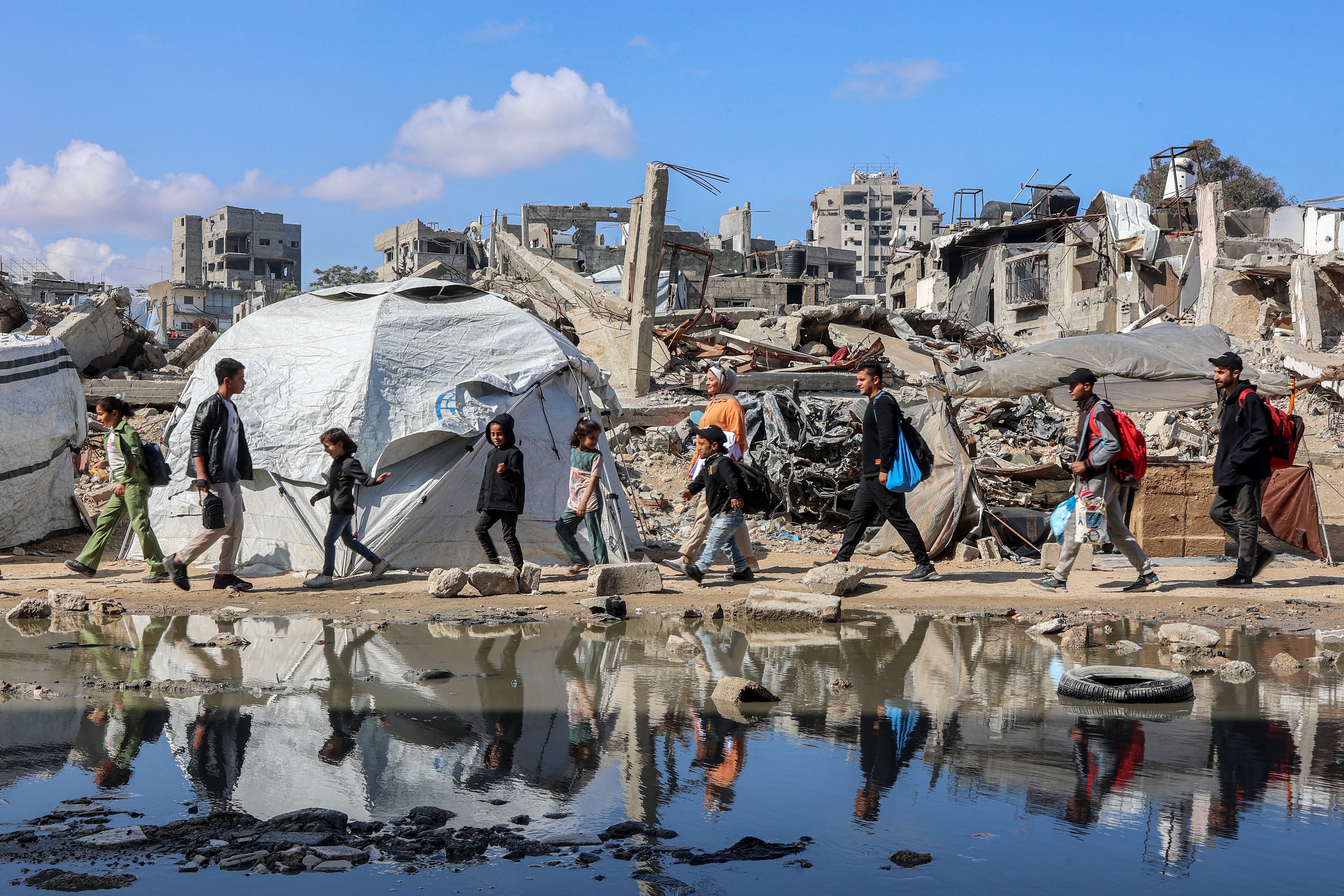
“Continued detonations of residential buildings have been reported daily in multiple areas where the Israeli military remains deployed,” Mr. Haq said, pointing to eastern Khan Younis, eastern Gaza City, and Rafah on the southern border.
Population displacement also remains significant. The UN estimates that more than 680,000 displaced people have moved from southern to northern Gaza since the ceasefire began.
“Many families have indicated that they prefer to remain where they currently are, given the scale of destruction, the limited alternatives available to them, and the ongoing uncertainties around security and access to services in their areas of origin,” Haq said.