NATO Allies Refuse to Join Trump’s Strait of Hormuz Blockade, Exposing Deep Transatlantic Rift


The United States’ NATO allies said on Monday they would not participate in President Donald Trump’s plan to blockade the Strait of Hormuz, further escalating tensions within an increasingly fragile Western alliance.
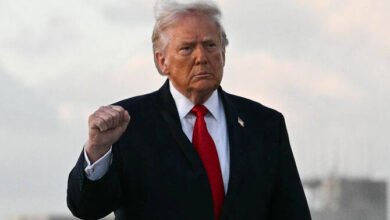
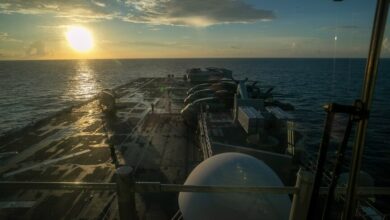
Trump said the U.S. military would work with other countries to block all maritime traffic in the strategic waterway after weekend talks failed to produce an agreement to end the six-week conflict with Iran. However, the U.S. military later clarified that the blockade—set to begin at 1400 GMT—would only target vessels entering or leaving Iranian ports.
In a post on Truth Social, Trump insisted that “the Blockade will begin shortly” and that other countries would be involved. But key NATO allies, including Britain and France, firmly rejected participation, arguing that the priority must be keeping the waterway open, as it carries around one-fifth of global oil flows.
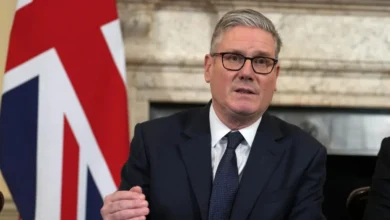
British Prime Minister Keir Starmer stated that London would not support the blockade, emphasizing: “Whatever the pressure… we’re not getting dragged into the war.” The stance highlights widening divisions between Washington and European capitals over escalation strategy in the Gulf.
NATO Secretary General Mark Rutte reportedly told European governments that Trump is seeking concrete commitments to secure the Strait of Hormuz, while suggesting the alliance could play a role if member states agree on a coordinated mission.
Meanwhile, Turkish Foreign Minister Hakan Fidan called for diplomatic efforts to reopen the strait and warned that creating an international enforcement force would be highly complex, urging NATO to reassess its approach at an upcoming summit.