Munich Security Conference President: West Tramples International Law on Western Sahara Decolonization

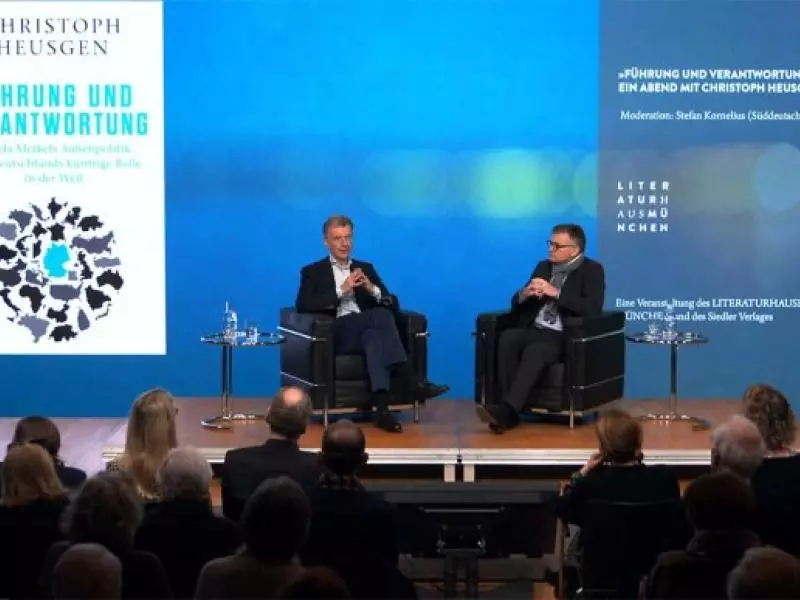
In his memoirs, Ambassador Christoph Heusgen, former senior adviser to Angela Merkel on diplomatic and security affairs and former chairman of the Munich Security Conference, expressed disappointment over the international handling of the Western Sahara conflict. He described the situation as unfortunate, stating that the law of the jungle and the dominance of the strongest appear to dictate the conflict, with transatlantic partners prioritizing relations with Morocco over international law and the Sahrawi people’s right to self-determination.
Heusgen highlighted the harsh conditions faced by the Sahrawi refugees living in exile, emphasizing that the issue of Western Sahara remains unresolved despite the UN’s longstanding mandate for a self-determination referendum.
Heusgen, who also served as Germany’s permanent representative to the United Nations, critiqued Morocco’s ongoing violations of UN resolutions and its gradual control over Western Sahara since its occupation in 1975. He underscored the role of international mediation, particularly the efforts of the late Horst Köhler, who brought the conflicting parties to the table in 2019. However, Heusgen noted that Morocco’s refusal to engage meaningfully in the peace process, along with the Trump administration’s controversial recognition of Moroccan sovereignty over the territory, has exacerbated the situation.
The German diplomat condemned the actions of countries like Spain and Germany, which he claimed capitulated to Morocco’s pressure, siding with the U.S. stance on Western Sahara. He lamented the missed opportunities for justice and the failure to uphold international law, drawing parallels to other Western failures in upholding human rights and international resolutions, such as in Iraq, Afghanistan, and the Zionist Palestinian cause. Heusgen’s critique highlights the broader political implications of ignoring international law in favor of strategic or opportunistic alliances.