Morocco Uses Economic Leverage to Legitimize Illegal Occupation of Western Sahara

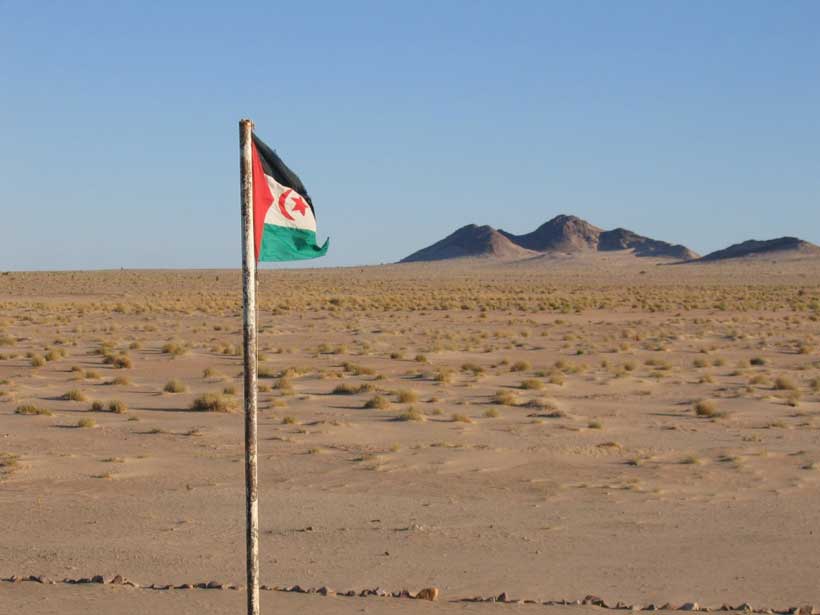
LONDON – Morocco is exploiting economic strategies to legitimize its illegal occupation of Western Sahara, according to two UK-based legal scholars.
“Rabat appears to be using development as a tool of domination,” said Andrea Maria Pelliconi, Senior Lecturer in Human Rights at the University of Southampton, and Victor Kattan , Associate Professor of Public International Law at the University of Nottingham. In an article published on The Conversation, they described a Moroccan strategy to bypass international law by enticing international companies with economic opportunities — a move that indirectly sways the governments of several countries.
The ultimate goal, they argued, is to make supporting legal principles “politically inconvenient.” They recalled the historic 1975 advisory opinion of the International Court of Justice (ICJ), which affirmed the Sahrawi people’s right to decide — through a UN-backed referendum — whether to join Morocco or form their own state. “Five decades after that ICJ opinion, no such referendum has been held,” they stressed.
The academics highlighted that Western Sahara is rich in phosphates, fisheries, and potential offshore oil and gas reserves. Major infrastructure projects, particularly in water management, ports, and renewable energy, have been drawing international investors. Morocco has also expanded foreign investment opportunities into tourism and transport sectors in the occupied territories.
They further pointed to recent controversy over an American-British filmmaker shooting part of a movie in occupied Western Sahara — despite Morocco having no legal sovereignty over the territory. “Legal principles are vital and consistently support the Sahrawi position,” they noted. In 2022, the African Court on Human and Peoples’ Rights reaffirmed that Morocco’s continued occupation violates the Sahrawi people’s right to self-determination — a jus cogens norm in international law, binding on all states and allowing no derogation.