Morocco, the world’s leading producer and Europe’s main supplier of cannabis resin, is using drug trafficking to influence European politics and corrupt its institutions, according to the news outlet ecsaharaui.
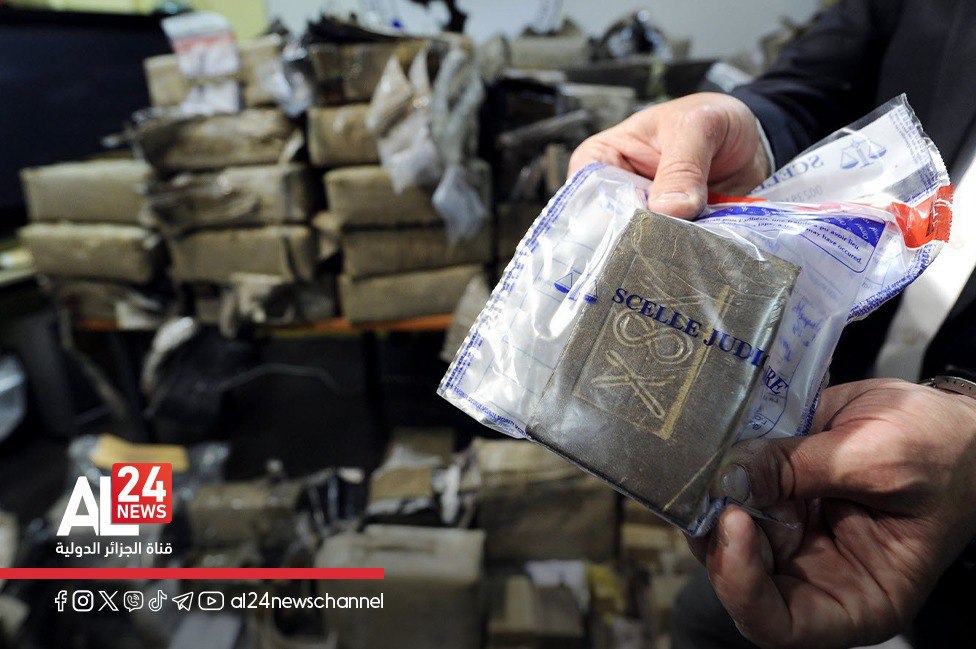
The site reported that the recent seizure of three tons of cannabis resin at the port of Casablanca, destined for Belgium through front companies such as the “Unimer” group, exposed “a disturbing reality: Morocco, the world’s largest producer of hashish, remains a key player in the massive export of drugs to Europe.” It stressed that “this is not an isolated case, but the visible part of an iceberg that has infiltrated the political institutions of the continent and threatens its independence.”
Citing UN reports, ecsaharaui recalled that Morocco produces nearly 70% of the world’s cannabis resin, with trafficking routes passing mainly through Spain and Belgium, Europe’s principal gateways. “The port of Antwerp in Belgium has become a hub of smuggling, where tons of drugs cross the border each year hidden in containers of supposedly legal products such as canned goods and fishmeal,” it noted.
The report warned that the most alarming issue is not only the Moroccan network’s criminal operations, but its “more ambitious objective.” Thanks to drug trafficking profits, “Morocco has built a parallel system that finances diplomatic pressure campaigns, corruption, and blackmail against European political figures.” It cited the “Moroccogate” scandal that shook the European Parliament, revealing “dangerous ties” between the Moroccan regime and European politicians.
“Bribes and suitcases of cash circulated behind the scenes to secure support on key issues such as the illegal occupation of Western Sahara or trade agreements,” the outlet said, stressing that “Morocco is not merely buying influence but is using drug money to corrupt and blackmail political leaders, thereby undermining Europe’s sovereignty.” It added that while the European Parliament claims to fight corruption, “its very foundations have been shaken.”
Denouncing the “complicit silence” of European institutions, ecsaharaui argued that Europe “must act decisively, review its agreements with Morocco, sanction the companies involved, and demand absolute transparency in trade exchanges.” It warned that “if Europe does not wake up, drug money will soon control more than its ports—it will control its politics, its institutions, and ultimately its future,” urging the continent to “bravely confront this problem.”