Middle East Escalation Enters 24th Day as Global Calls for Diplomacy Intensify

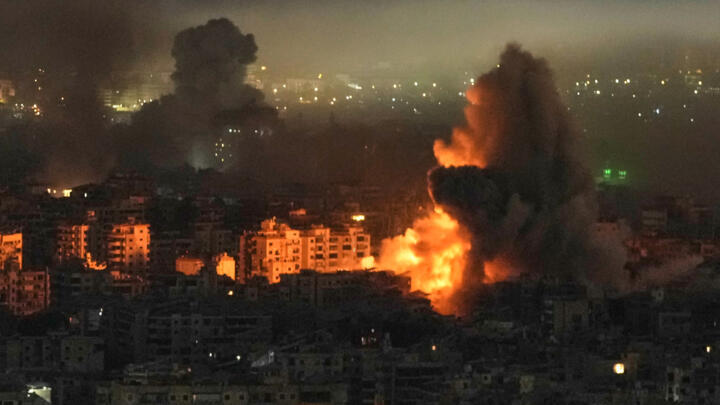
The Gulf and the Middle East witnessed an unprecedented military escalation for the 24th consecutive day on Sunday. The crisis persists amid intensifying international warnings that the situation is spiraling out of control, with mounting calls for a return to diplomacy to prevent the region from slipping into a full-scale conflict.
In light of these developments, United Nations Secretary-General Antonio Guterres called for an immediate cessation of hostilities, warning of the catastrophic potential of further escalation.
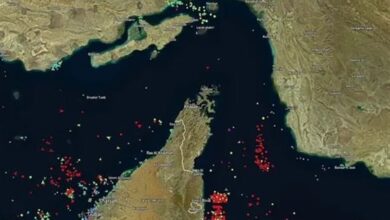
The UN chief also urged the reopening of the Strait of Hormuz, one of the world’s most critical trade routes, noting that “the prolonged closure of the Strait of Hormuz causes enormous pain to millions of people around the world who have no involvement in this conflict.” Guterres underscored that “it is time for the force of law to prevail over the law of force, and for diplomacy to triumph over war.” In a statement following the Brussels summit, the European Council called for de-escalation, maximum restraint, and the protection of civilians and infrastructure. The Council emphasized full respect for international law and the UN Charter, affirming that the European Union stands ready to contribute to all diplomatic efforts aimed at reducing tensions.
Regionally, Turkish President Recep Tayyip Erdogan stated that his country is mobilizing all resources to restore stability and reactivate dialogue. Similarly, Jordan’s King Abdullah II stressed the urgent need to prioritize diplomacy to end the conflict and restore regional security.
China’s Foreign Minister Wang Yi affirmed that a top priority is containing the spread of the conflict and preventing the involvement of additional countries. He urged the UN Security Council to fulfill its role in facilitating a swift restoration of peace.
The escalation has also severely impacted global aviation. Qatar submitted an official letter to the President of the International Civil Aviation Organization (ICAO), Toshiyuki Onuma, outlining the disruptions to passenger travel and air cargo caused by airspace closures. The letter detailed measures adopted by Qatar to assist affected travelers, including evacuation flights, while reiterating the importance of reopening airports given the region’s role as a global transit hub.
Meanwhile, Iraq’s Civil Aviation Authority announced the extension of its airspace closure to all arriving, departing, and overflying aircraft for an additional 72 hours, effective Sunday afternoon.
The government stated the decision was based on a continuous evaluation of the security situation and remains subject to further review as the regional situation evolves.