The Moroccan state continues to pursue policies of repression and marginalization, exacerbating social crises and human rights violations across various sectors. From the victims of the Al-Haouz earthquake to the exploited agricultural workers in the Chichaoua and Ait Baha regions, systemic neglect and injustice persist.
Earthquake Victims Abandoned
More than a year after the devastating Al-Haouz earthquake in September 2023, survivors remain in dire conditions, living in makeshift shelters or unsafe housing. Promised government aid for reconstruction and compensation has largely failed to materialize. The death of a woman under the rubble of her collapsed home underscores the ongoing neglect.
The arrest of Saïd Aït Mahdi, a prominent rights activist and head of the Al-Haouz Earthquake Victims Coordination, highlights Morocco’s clampdown on dissent. Accused under what activists describe as “fabricated charges,” Aït Mahdi had been advocating for transparency in the management of aid and the rights of victims. Local coordination groups have condemned the lack of meaningful support and the distribution of meager funds that fall short of covering even basic reconstruction needs.
Agricultural Workers Fight Exploitation
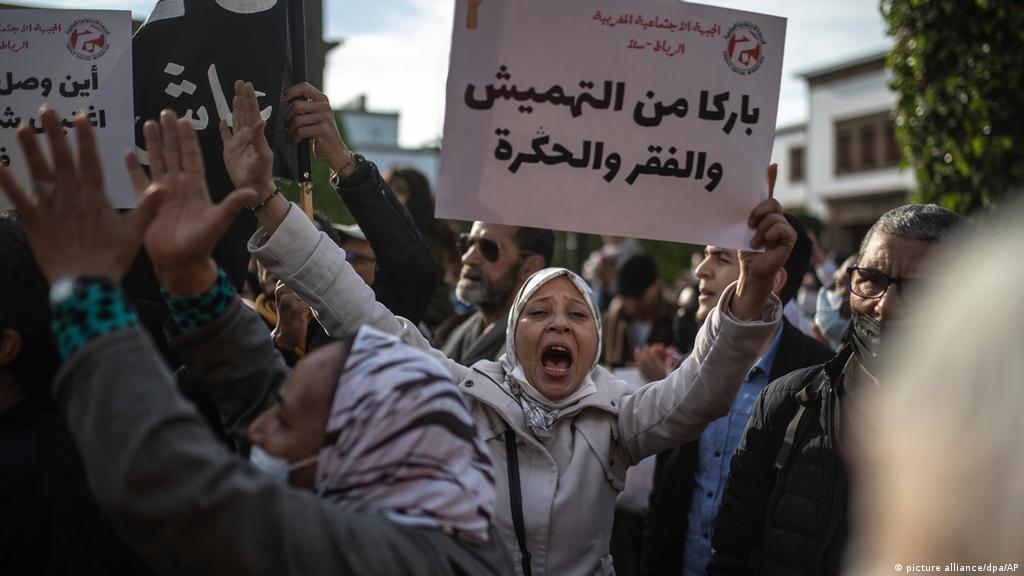
In the agricultural sector, workers in Chichaoua and Ait Baha face harsh living and working conditions. These laborers, who are critical to Morocco’s agricultural backbone, are burdened by low wages, lack of social protection, and exploitation by employers. Protests have erupted, but the government remains unresponsive, ignoring calls to address systemic issues such as poor enforcement of labor laws and unfair hiring practices.
Workers attempting to unionize or engage in strikes face intimidation, arbitrary dismissals, and harassment. These practices have eroded workers’ purchasing power and exacerbated economic inequalities, threatening the stability of vital sectors.
A Worsening Crisis
The persistent policies of repression and exclusion have placed Morocco at a dangerous crossroads. Activists and civil society groups warn that failure to address the legitimate demands of citizens and workers could lead to escalating social unrest.
Rather than silencing dissent, Morocco must adopt comprehensive strategies to restore dignity and justice for its citizens. Without immediate reforms, the country risks deeper crises that may prove difficult to contain.