Lula Rejects Trump’s Tariff Threats, Defends Brazil’s Sovereignty Over Bolsonaro Trial

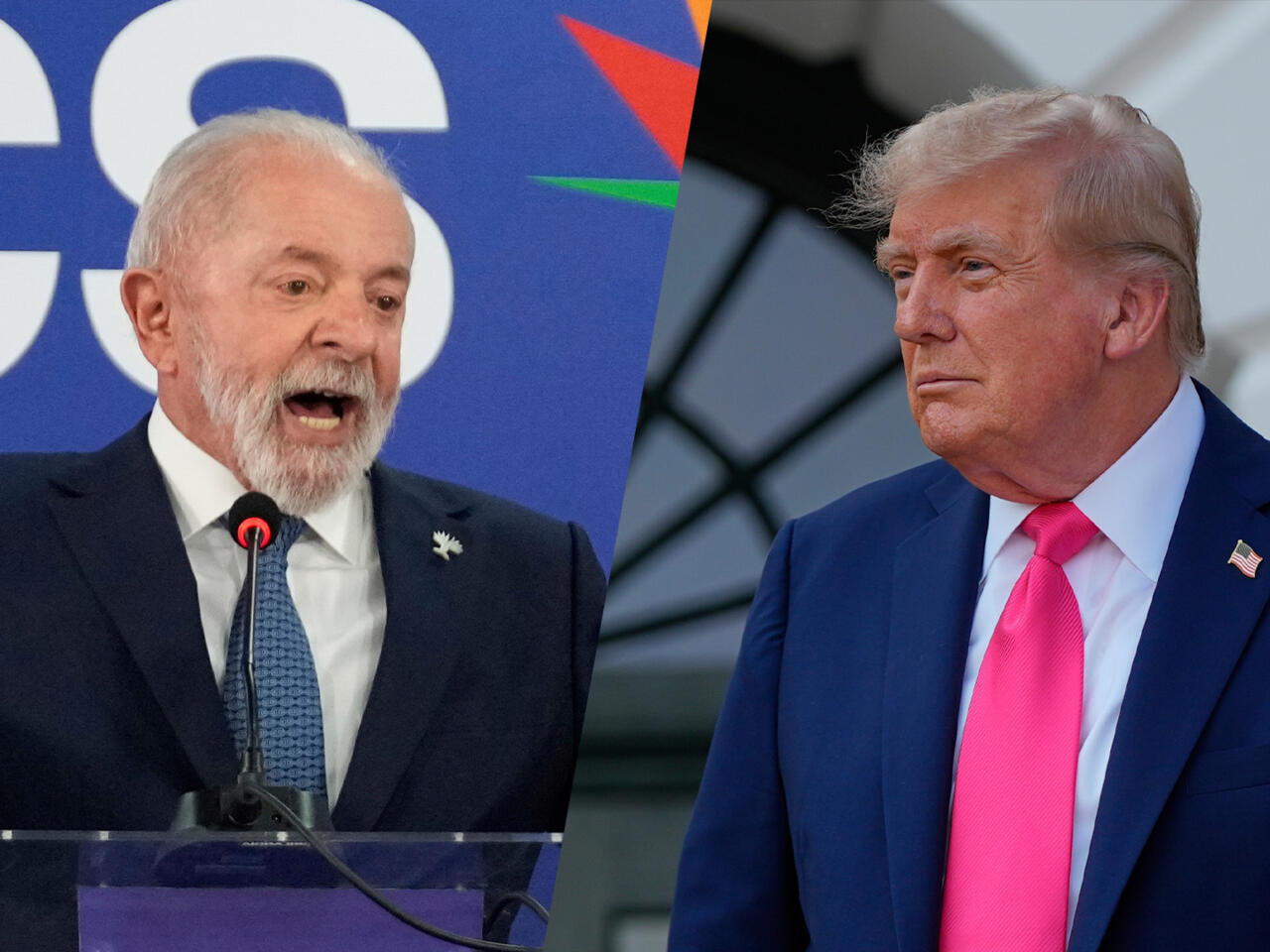
BRASILIA – Brazilian President Luiz Inacio Lula da Silva firmly rejected U.S. President Donald Trump’s decision to impose a 50% tariff on Brazilian goods, invoking newly adopted legislation that empowers Brazil to take proportional countermeasures. Speaking Wednesday, Lula emphasized that any unilateral move by the U.S. to raise tariffs would trigger a response under Brazil’s Economic Reciprocity Law.
Challenging Trump’s claim of a U.S. trade deficit with Brazil, Lula cited official American data showing a cumulative surplus of $410 billion in goods and services trade with Brazil over the past 15 years. “These claims are inaccurate,” he stated on social media. Trump’s tariff letters, sent to 22 countries and effective from August 1, included a specific letter to Brazil that not only outlined the tariffs but also criticized Brazil’s handling of former President Jair Bolsonaro’s ongoing trial.
In his response, Lula stressed Brazil’s sovereignty and judicial independence, declaring, “Brazil is a sovereign nation with independent institutions and will not accept any form of tutelage.” He defended the ongoing legal proceedings against Bolsonaro and his allies—charged with attempting a coup—as matters that fall exclusively under the jurisdiction of Brazil’s judiciary. “No interference or threats will be accepted,” he added.
Trump, in a post on Truth Social, had called Bolsonaro’s trial “an international disgrace” and described it as a “witch hunt.” He vowed to monitor the case closely, asserting that the only legitimate trial should come from “the voters of Brazil.” Bolsonaro and seven others were indicted following a unanimous Supreme Court ruling, with the former president facing up to 30 years in prison if convicted.
Responding to Trump’s claims of censorship against U.S. platforms, Lula reaffirmed Brazil’s stance: “Brazilian society rejects hateful content, racism, child pornography, scams, fraud, and anti-democratic speech.” He stressed that freedom of expression must not be confused with incitement to violence, and reiterated that all companies—foreign or domestic—must abide by Brazilian law to operate in the country.