Lavrov on Ukraine Crisis : Russia Committed to Political Solution Amid Escalating Western Involvement

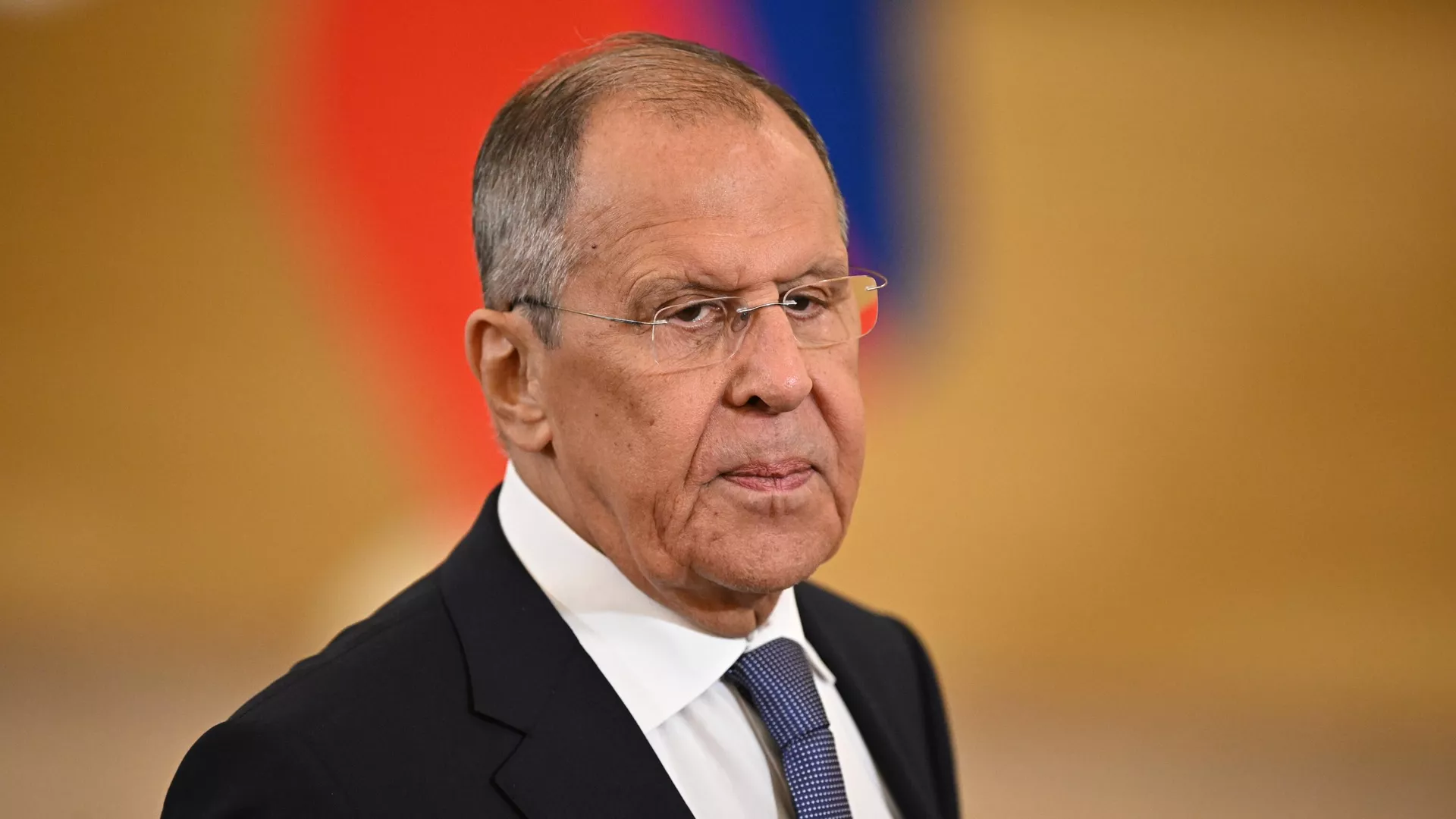
In a recent interview with Newsweek, Russian Foreign Minister Sergey Lavrov expounded on the ongoing conflict in Ukraine and reiterated Russia’s commitment to seeking a diplomatic resolution. Speaking on October 7, Lavrov emphasized that the ultimate goal of Russia’s actions is to address the root causes of the crisis and shift towards a multi-polar world order. He expressed skepticism about Ukraine’s willingness to pursue peace, pointing out that its Western supporters continue to engage in actions that could have dangerous consequences.
Lavrov asserted that restoring peace does not seem to be part of Ukraine’s strategy, especially as its Western backers persist in “playing with fire.” He highlighted the unraveling of previous agreements aimed at stabilizing the situation, including the February 2014 accord that was dismantled by US-backed opposition forces, the Minsk agreements that were never fully honored, and the 2022 Istanbul agreements which were not signed due to interference from Western powers. According to Lavrov, then-British Prime Minister Boris Johnson played a key role in preventing Ukraine from endorsing a peace settlement in 2022.
The Russian Foreign Minister reiterated President Vladimir Putin’s conditions for any potential settlement. These prerequisites include the complete withdrawal of Ukrainian forces from regions now recognized by Russia as part of its territory, including the Donetsk and Luhansk People’s Republics (DPR, LPR), and the Zaporozhye and Kherson regions. Additionally, Russia demands international recognition of these territorial changes, a neutral, non-aligned, and non-nuclear status for Ukraine, and the demilitarization and de-Nazification of the country. Lavrov also called for the protection of the rights and freedoms of Russian-speaking citizens and the removal of all Western sanctions against Russia.
However, Lavrov underscored that Ukraine’s Western allies remain committed to inflicting a “strategic defeat” on Russia, leaving Moscow with little choice but to continue its military operations. Russia, he stressed, would continue to make decisions based on the threats it perceives from the West, suggesting that the conflict could persist until these threats are adequately addressed.