Kremlin: Russian gas sales to Europe are ‘complicated’ as Ukraine transit deal nears expiry

MOSCOW – The situation with European countries that buy Russian gas is very complicated and requires increased attention, the Kremlin said on Monday after talks the previous day between President Vladimir Putin and Slovak Prime Minister Robert Fico.
Kremlin spokesman Dmitry Peskov said he could not provide more details about the talks, which also touched on bilateral relations and the Ukraine conflict.
Fico said on Sunday that Putin had confirmed Russian willingness to continue to supply gas to Slovakia, even though the Slovak leader said this was “practically impossible” once a gas transit agreement between Russia and Ukraine expires at the end of the year.
It was not clear what potential solution the two leaders might have discussed.
Ukraine has declined to renew the gas transit deal. President Volodymyr Zelenskiy said last week this might be possible, but only on condition that Russia was not paid for the gas until after the war was over.
“You heard the statement from the Ukrainian side, and you know about the positions of those European countries that continue to buy Russian gas and that consider this necessary for the normal operation of their economies,” Peskov told reporters.
“Therefore, there is now a very complicated situation here that requires increased attention.”
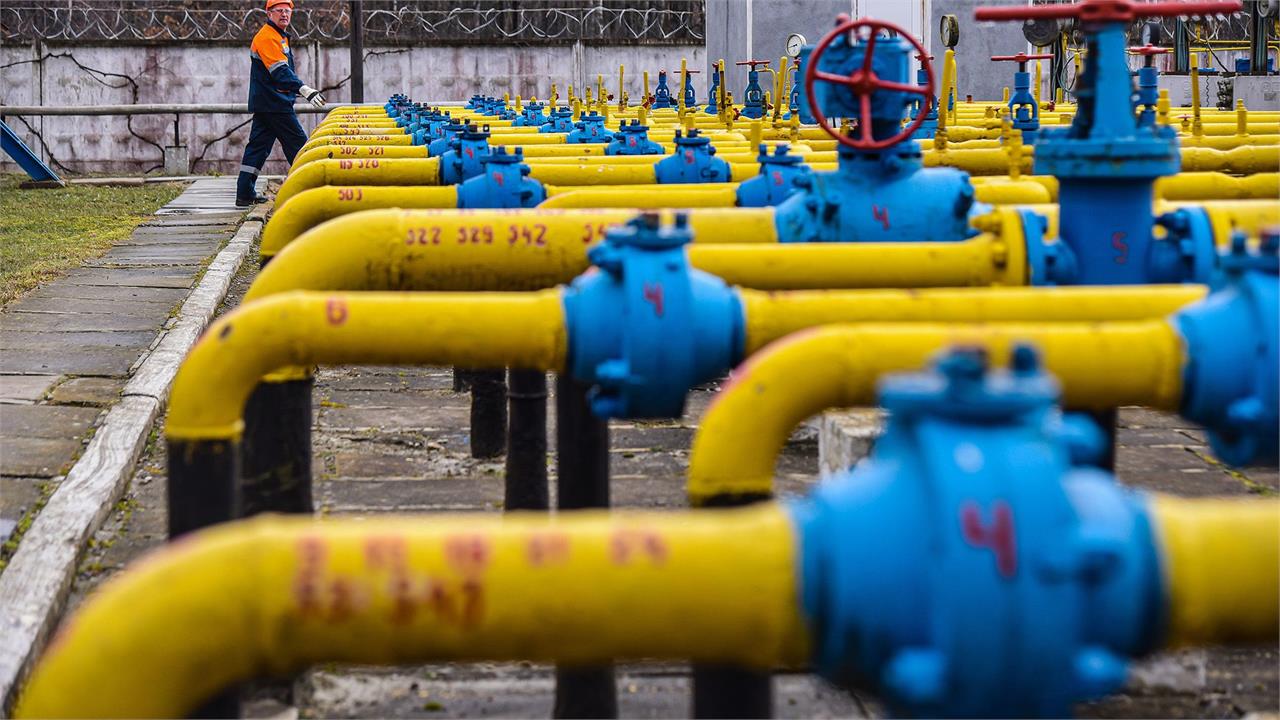
The Soviet-era Urengoy-Pomary-Uzhgorod pipeline brings gas from Siberia via the town of Sudzha – which is now under control of Ukrainian military forces – in Russia’s Kursk region. It then flows through Ukraine to Slovakia.
In Slovakia, the gas pipeline splits into branches going to the Czech Republic and Austria.
Russia’s overall gas exports via the route have held steady despite the stoppage of flows from Gazprom to Austria’s OMV OMVV.VI in mid-November over a contractual dispute, and legal wranglings as other buyers stepped in to buy the volumes.
Austria still receives most of its gas via Ukraine, while Russia accounts for around two-thirds of Hungary’s gas imports.
Slovakia takes around 3 bcm from energy giant Gazprom GAZP.MM per year, also about two-thirds of its needs.
The Czech Republic almost completely cut gas imports from the east last year, but began taking gas from Russia in 2024.
Most other Russian gas routes to Europe are shut, including Yamal-Europe via Belarus and Nord Stream under the Baltic.
The only other operational Russian gas pipeline route to Europe is the Blue Stream and TurkStream to Turkey under the Black Sea. Turkey sends some Russian gas volumes onwards to Europe, including to Hungary.
According to Reuters calculations, Gazprom’s total pipeline gas exports to Europe via all routes in 2024 have increased to 32 bcm from 28.3 bcm in 2023, when they collapsed to the lowest level since the 1970s. Therefore, Russia could earn around $5 billion on sales via Ukraine this year based on an average Russian government gas price forecast of $339 per 1,000 cubic meters.