Iran’s president says Trump speaks of peace while threatening “mass killing”

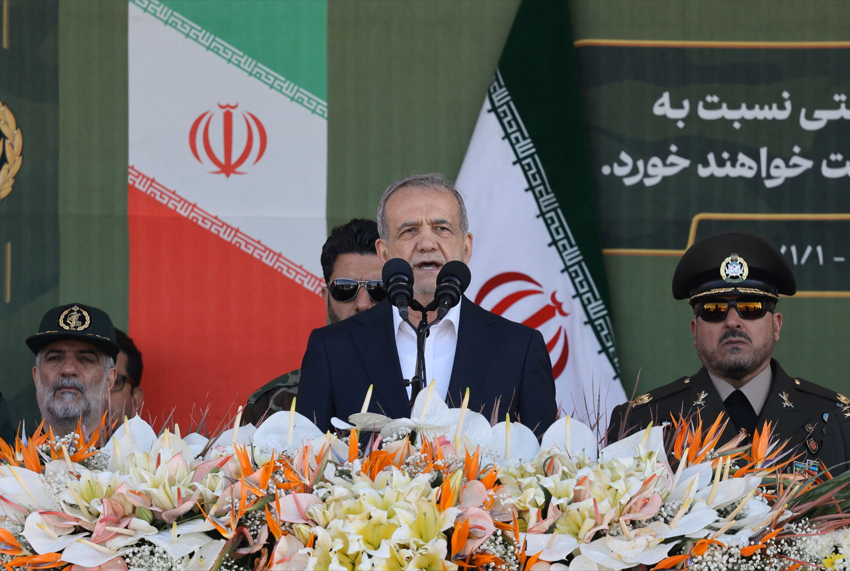
Iran’s President Masoud Pezeshkian said on Saturday that U.S. President Donald Trump speaks simultaneously about peace and threats of “mass killing”, according to Reuters news agency.
“Which should we believe?” Pezeshkian said at a naval event in Tehran. “On the one hand, he speaks of peace and on the other, he threatens with the most advanced tools of mass killing.”
Tehran would continue Iran-U.S. nuclear talks but is not afraid of threats. “We are not seeking war,” he said.
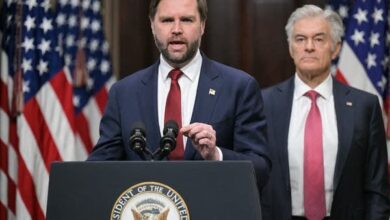
Trump said on Friday that Iran had a U.S. proposal about its nuclear programme and knows it needs to move quickly to resolve a decades-long dispute.
“More importantly, they know they have to move quickly or something bad — something bad’s going to happen,” Trump told reporters aboard Air Force One on Friday, according to an audio recording of the remarks.
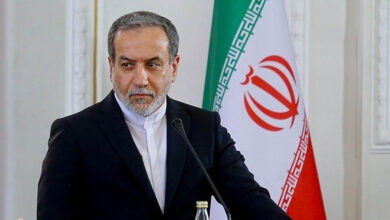
However, Iranian Foreign Minister Abbas Araqchi in a post on X said Tehran had not received a U.S. proposal. “There is no scenario in which Iran abandons its hard-earned right to (uranium) enrichment for peaceful purposes…” he said.
Pezeshkian said Iran would not “back down from our legitimate rights”.
“Because we refuse to bow to bullying, they say we are source of instability in the region,” he said.
A fourth round of Iran-U.S. talks ended in Oman last Sunday. A new round has not been scheduled yet.
Separately, diplomats from Iran and three European parties, namely, Britain, France and Germany – known as the E3 – met in Istanbul on Friday, in the first round of talks since the U.S. began nuclear negotiations with Tehran in April.
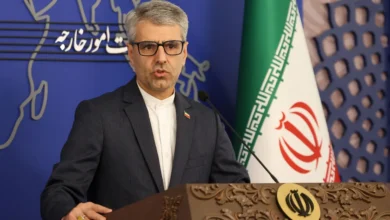
Iran and the E3 agreed to hold further talks if needed, Iran’s deputy foreign minister Kazem Gharibabadi said on X on Friday.
“Iran and the three European countries are determined to maintain and make optimal use of diplomacy,” Gharibabadi said. “We will meet again to continue the discussions if necessary.”
British diplomat Christian Turner said on X that Iran and the E3 shared a commitment to dialogue and that they agreed to meet again, without giving a timeframe.
Under the terms of a U.N. resolution ratifying the 2015 nuclear pact, the three European powers have until October 18 to trigger the snapback mechanism before the resolution expires.
According to diplomats and a document seen by Reuters, the E3 countries may do this by August if no substantial deal can be found by then.