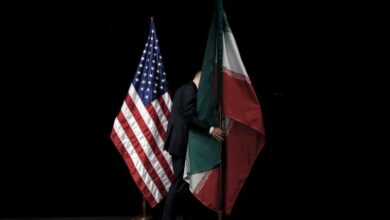
Iran Rejects EU Call to End Nuclear Program, Slams Demand as Violation of International Agreements

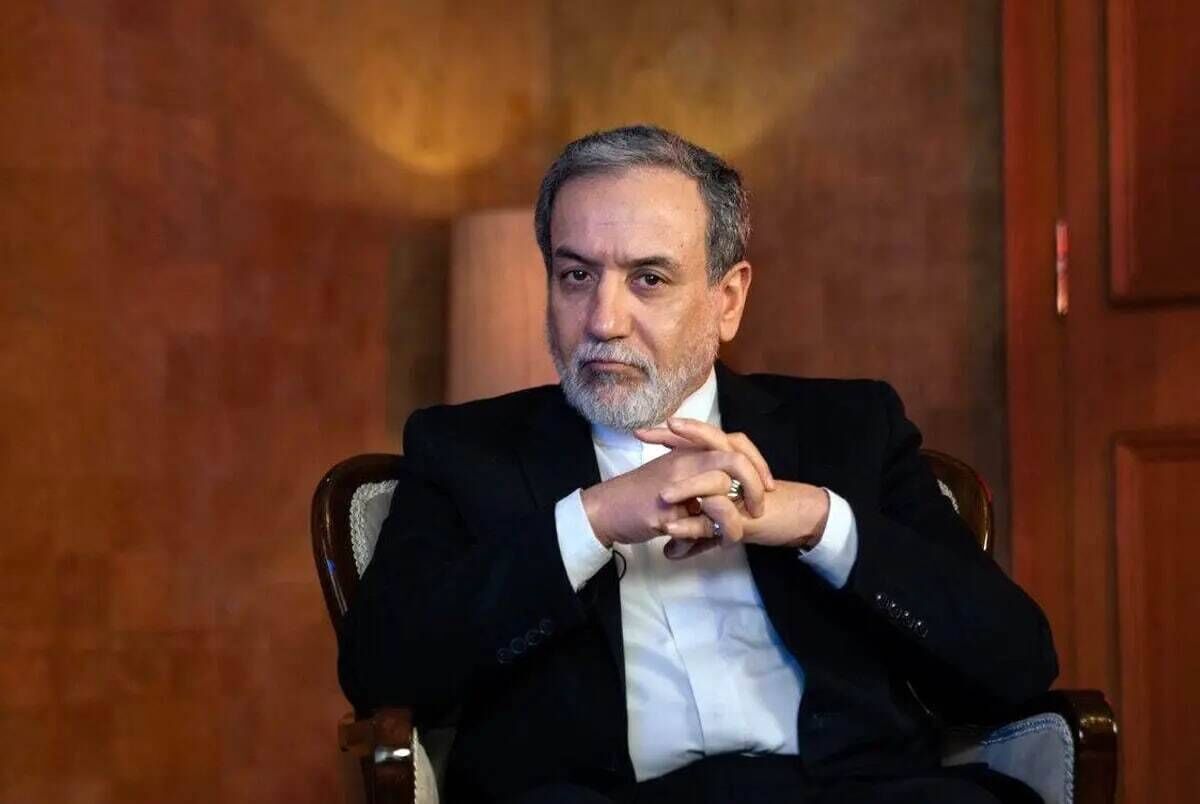
TEHRAN — Iranian Foreign Minister Abbas Araqchi has firmly rejected a European Union proposal to launch talks aimed at halting Iran’s nuclear program, calling the demand a violation of international law and a direct threat to the integrity of the 2015 Joint Comprehensive Plan of Action (JCPOA).
In a statement posted late Wednesday on his X account, Araqchi warned that the EU’s stance, particularly as expressed by High Representative Kaja Kallas, undermines the foundations of the Non-Proliferation Treaty (NPT), UN Security Council Resolution 2231, and the JCPOA itself.
“If the Coordinator of the JCPOA Joint Commission believes that the objective of any potential negotiation is ‘ending Iran’s nuclear program,’ it means that: Kaja Kallas disregards the NPT, which affirms the right of all signatories to develop and use nuclear technology for peaceful purposes,” Araqchi stated. He added that such a position nullifies the legal basis for the snapback mechanism and renders any future EU participation in negotiations “irrelevant and meaningless.”
His remarks came in response to Kallas’s call on Tuesday for Iran to engage in immediate talks to curb its nuclear activities. Araqchi emphasized that Iran will not accept demands that go beyond the terms of existing international agreements and that Tehran remains committed to the peaceful nature of its nuclear program.
Since the U.S. unilaterally withdrew from the JCPOA in 2018 under President Donald Trump and reimposed sweeping sanctions, Iran has steadily reduced its commitments under the deal, ramping up uranium enrichment. Tehran maintains that its nuclear activities are strictly for civilian purposes, including electricity generation and medical use.
While the EU and the E3 (France, Germany, and the U.K.) have sought to revive the nuclear accord through diplomacy, Iran has consistently criticized European nations for failing to honor their obligations and for remaining passive in the face of U.S. violations.