International Organizations Expose Ongoing Human Rights Deterioration in Occupied Western Sahara

International human rights organizations denounced the ongoing deterioration of human rights in occupied Western Sahara, warning of a critical situation and calling for urgent international monitoring, at the 61st session of the UN Human Rights Council in Geneva.
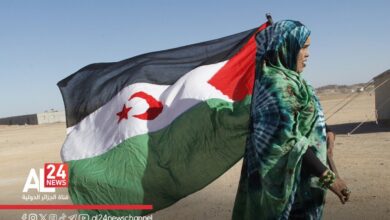
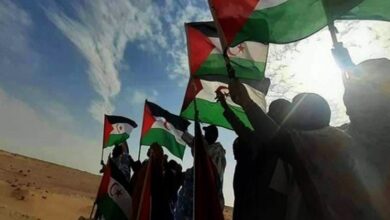
Sahrawi activist El-Ghalia Abdallahi Djimi addressed the Council on Tuesday on behalf of the International Council Supporting Fair Trial and Human Rights, reaffirming the necessity of upholding human rights in Western Sahara and highlighting the ongoing suffering of the Sahrawi people as the decolonization process remains stalled.
The International Council called for enabling the Sahrawi people to exercise their right to self-determination and independence through a fair and transparent political process under United Nations supervision.
It also raised the issue of natural resource exploitation in the territory, warning that such activities must not continue without due regard for international law or respect for the will and interests of the Sahrawi people, which is characterized as a “clear violation of international legality.” The Council further expressed deep concern over restrictions on fundamental freedoms, particularly the systematic discrimination faced by Sahrawi women on account of their opposition stance, stressing that this reality deprives them of employment opportunities and a dignified life while severely curtailing their ability to participate effectively in society.
The International Service for Human Rights, Front Line Defenders, and the Working Group on Human Rights in Occupied Western Sahara expressed grave concern over what they described as a continuous deterioration of the human rights situation in Western Sahara, in a joint statement delivered on their behalf by Sahrawi human rights defender Yaguta El-mokhtar Moulay.
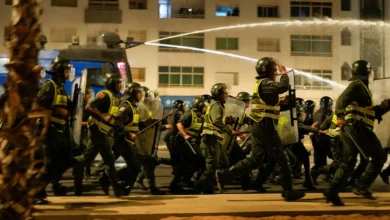
The intervention drew attention to the continuation of intimidation and harassment policies targeting peaceful defenders of the Sahrawi people’s right to self-determination, citing Morocco’s imposition of restrictions on freedoms of expression, assembly and organization, while defenders and journalists are subjected to surveillance, arbitrary detention, torture, and coerced confessions, particularly when engaging with United Nations mechanisms.
El-mokhtar Moulay urged the Human Rights Council to facilitate independent access for the Office of the High Commissioner for Human Rights and Special Procedures, alongside protection for human rights defenders, and called for pressure on Morocco to release detainees, guarantee fundamental freedoms, and respect the right to self-determination.
For her part, Sahrawi human rights defender Fatimetu Zanan, speaking on behalf of Maloca Internationale, warned of the gravity of the situation in the occupied territories of Western Sahara and demanded an urgent strengthening of international monitoring.
Zanan stressed that the territory remains effectively closed to independent international monitoring due to restrictions imposed by Moroccan authorities on the entry of journalists, observers, and human rights organizations, limiting transparency and obstructing any objective assessment of conditions on the ground.
Maloca Internationale sharply criticized the failure to implement decisions issued by United Nations human rights mechanisms, such as the Working Group on Arbitrary Detention and the Committee against Torture, arguing that such non-compliance undermines the international protection system, and called for opening Western Sahara to independent international monitoring, guaranteeing the protection of human rights defenders, ensuring adherence to fair trial standards, and fully implementing United Nations recommendations.