Historic Agreement Reached Between Government and Opposition to End Violence in Mozambique

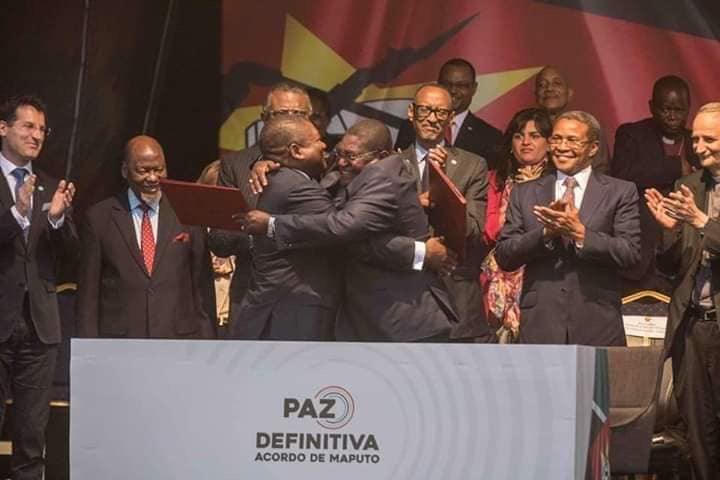
Mozambique’s opposition leader, Vincêncio Mondlane, announced on Monday that an agreement had been reached with President Daniel Chapo to end violence in the country, particularly following the recent contested elections.
The meeting between Chapo and Mondlane, the first since the elections, marks a significant turning point in government-opposition relations and represents a major step toward stabilizing a nation that has endured violent clashes and political unrest.
A Step Toward Peace
In an unprecedented move, President Daniel Chapo met with Vincêncio Mondlane, founder of the “Democratic Change Movement” party, for the first time since the contentious elections.
The meeting, held in the capital, Maputo, resulted in the signing of a comprehensive agreement to halt all hostilities between the warring factions.
The agreement includes a government commitment to cease military operations in affected areas and establish a joint committee with the opposition to oversee its implementation.
Mediated by the international community, the deal aims to address the root causes of the conflict, including political and economic marginalization in certain regions, and to guarantee the opposition’s right to active political participation.
President Chapo affirmed that the government is committed to enforcing all provisions of the agreement, including ensuring a safe political environment for the opposition to operate legally.
International Reactions
The agreement has received widespread praise from the international community, which sees it as a positive step toward stabilizing Mozambique and the broader region.
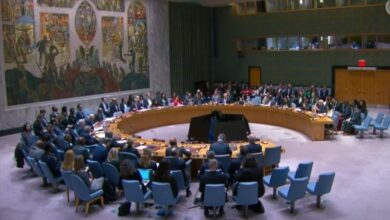
The United Nations and the African Union have endorsed the deal, emphasizing its potential to enhance regional security in southern Africa.
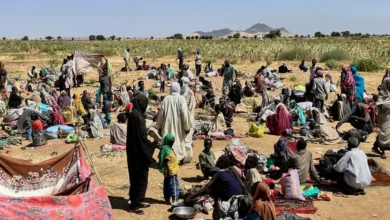
Humanitarian organizations have also welcomed the agreement, noting that it could significantly improve conditions in conflict-affected areas.
Despite these positive developments, skepticism remains about the full implementation of the agreement. Some observers warn that internal challenges, including pressure from armed groups on the ground, may complicate its execution.