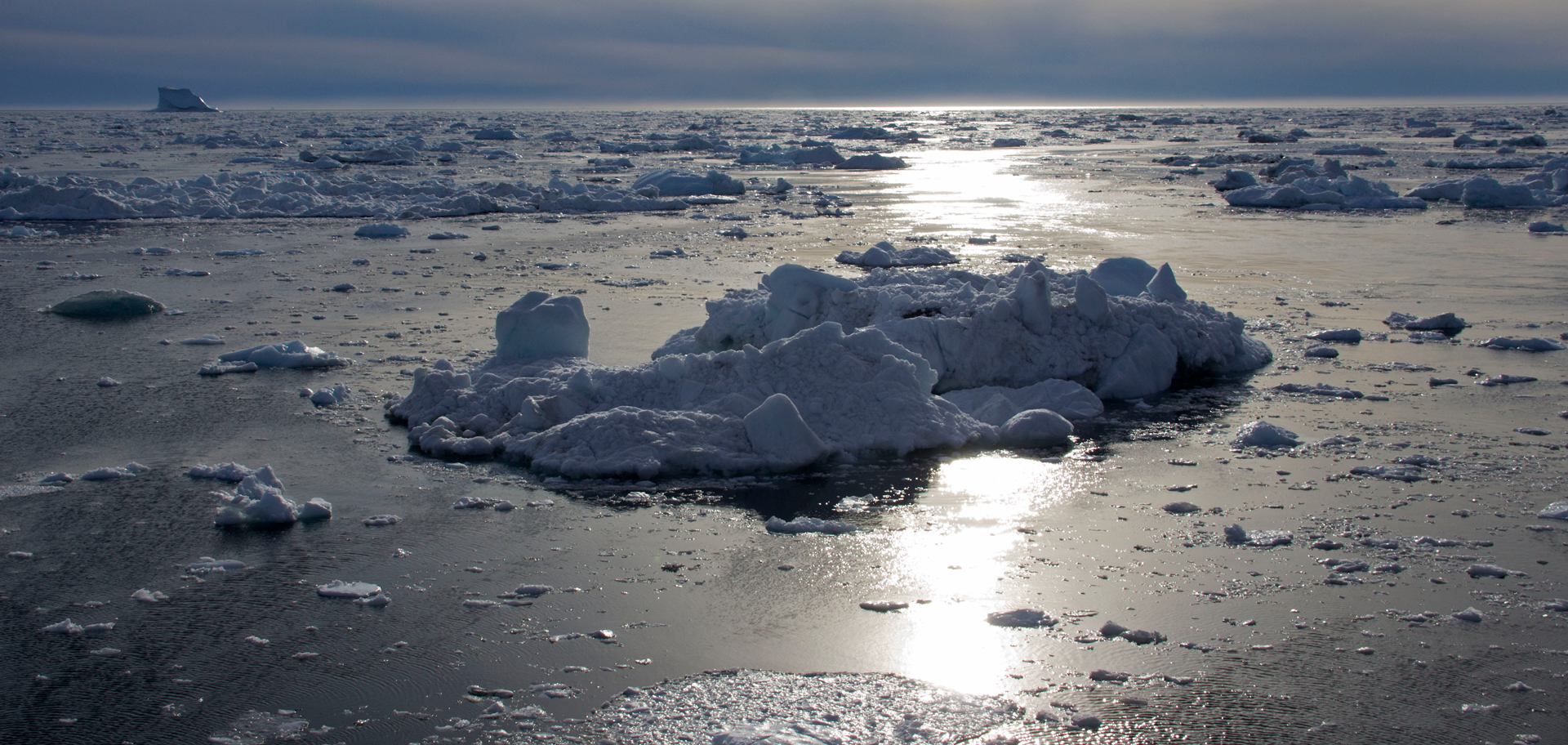
Greenland’s ice sheet melted 17 times faster than the historical average between May 15 and 21, due to an unprecedented heatwave that also struck Iceland, the scientific network World Weather Attribution (WWA) reported Wednesday.
“The contribution of the Greenland ice sheet melt to sea level rise is greater than it would have been without this heatwave,” noted Friederike Otto, a climate scientist and one of the report’s authors, during a press briefing. Otto is a senior lecturer at Imperial College London.
In Iceland, temperatures surpassed 26°C on May 15 — a record-breaking event for the Arctic island. “The temperatures recorded in Iceland this May broke all previous records, exceeding the 1991-2020 daily maximum average by more than 13°C,” stated the WWA in a press release.
According to Iceland’s national meteorological institute, 94% of stations recorded new temperature records for the month of May. “This would have been impossible without climate change,” Otto added.
In eastern Greenland, the hottest day during the period saw temperatures around 3.9°C higher than pre-industrial levels, according to the WWA.
“A heatwave of about 20°C might not seem extreme to most people globally, but it is a major issue for this region and has global consequences,” stressed Otto.
The Arctic is warming four times faster than the rest of the planet, according to the journal Nature. For Greenland’s Indigenous communities, rising temperatures and ice melt are disrupting traditional hunting practices and threatening infrastructure.
“In Greenland and Iceland, infrastructure is built to withstand cold. During warm periods, ice melt can cause flooding and damage roads and facilities,” the WWA emphasized.