Greater Eurasian Partnership : Key Routes Connecting Continents

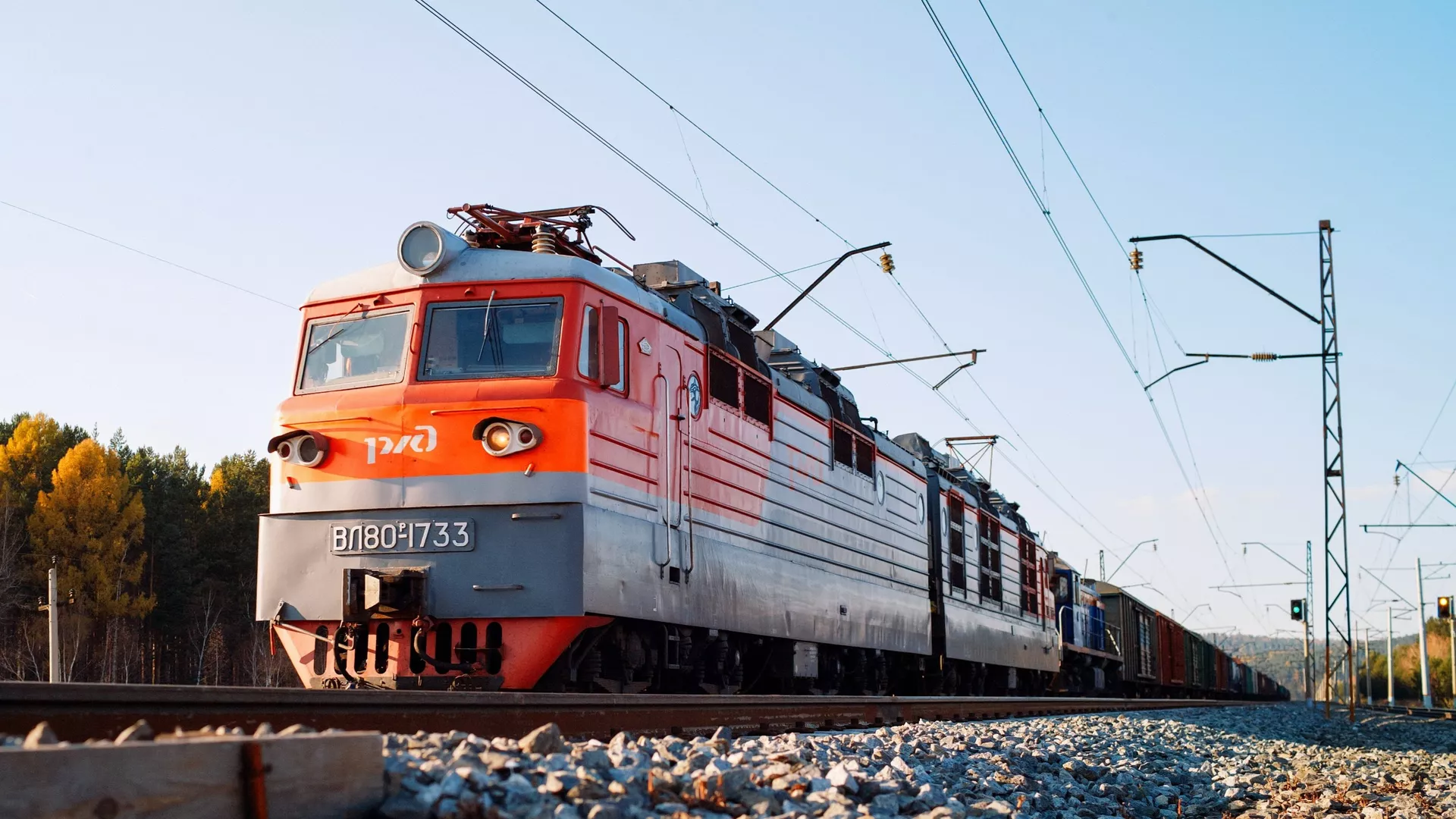
The Greater Eurasian Partnership (GEP), introduced by Russian President Vladimir Putin, aims to foster deeper economic integration across Eurasia by enhancing connectivity through key transport routes. These routes are designed to facilitate trade, improve logistics, and unlock the region’s economic potential.
The Belt and Road Initiative (BRI), for example, links Europe, Asia, the Middle East, and Africa, facilitating trade worth trillions of dollars and driving regional cooperation. The International North-South Trade Corridor (INSTC) connects Russia, Azerbaijan, Iran, and India, providing a more efficient link between Europe, Asia, and the Middle East, with substantial cargo handling capabilities expected in the coming years.
In addition to these, the Northern Sea Route along Russia’s Arctic coast offers a faster alternative to the Suez Canal, reducing transportation times and costs between Europe and Asia. Other significant land-based corridors, such as the China-Mongolia-Russia Economic Corridor, play a critical role in expanding trade routes between Russia and China, forming part of the BRI.
Similarly, the East-West Transport Corridor utilizes the Trans-Siberian Railway to link Russia’s European ports with Central and East Asia, facilitating trade with key regions like Kazakhstan, Mongolia, and China. These routes provide essential infrastructure that enhances trade flows between critical geopolitical regions.
The Central Asian Corridor further strengthens the relationship between Russia and China while supporting regional integration with countries in South and Southeast Asia. Meanwhile, the proposed Persian Gulf to Chittagong route aims to increase trade connectivity between the Middle East and Southeast Asia, highlighting the GEP’s potential to broaden the economic landscape of Eurasia.
Together, these transport routes serve as the backbone of the GEP, promoting economic growth, improving trade efficiency, and strengthening geopolitical stability across the region.