Global Power Shifts in 2026: From Traditional Hegemony to Direct Military Dominance

As 2026 begins, international relations are entering a volatile new phase defined by a decisive erosion of established Western hegemony, the rise of direct military intervention as a central policy tool, and the weakening of traditional deterrence frameworks. Recent developments involving the United States’ foreign policy posture suggest that Washington’s strategic calculus is shifting from containment and diplomatic engagement toward overt military engagement and unilateral resource control—moves that are reshaping global geopolitics on multiple fronts.
In early January, the U.S. captured Venezuela’s President Nicolás Maduro and asserted control over Venezuelan oil exports, a dramatic escalation in Washington’s enforcement of sanctions and a clear signal of a more assertive approach to hemispheric policy. The U.S. announcement that Venezuelan oil production will be managed and sold under American oversight exemplifies the transition from economic pressure to direct control over sovereign resources. Critics argue this move reflects an ideological shift toward prioritizing direct acquisition of strategic assets, extending beyond traditional sanctions regimes into coercive economic dominance.
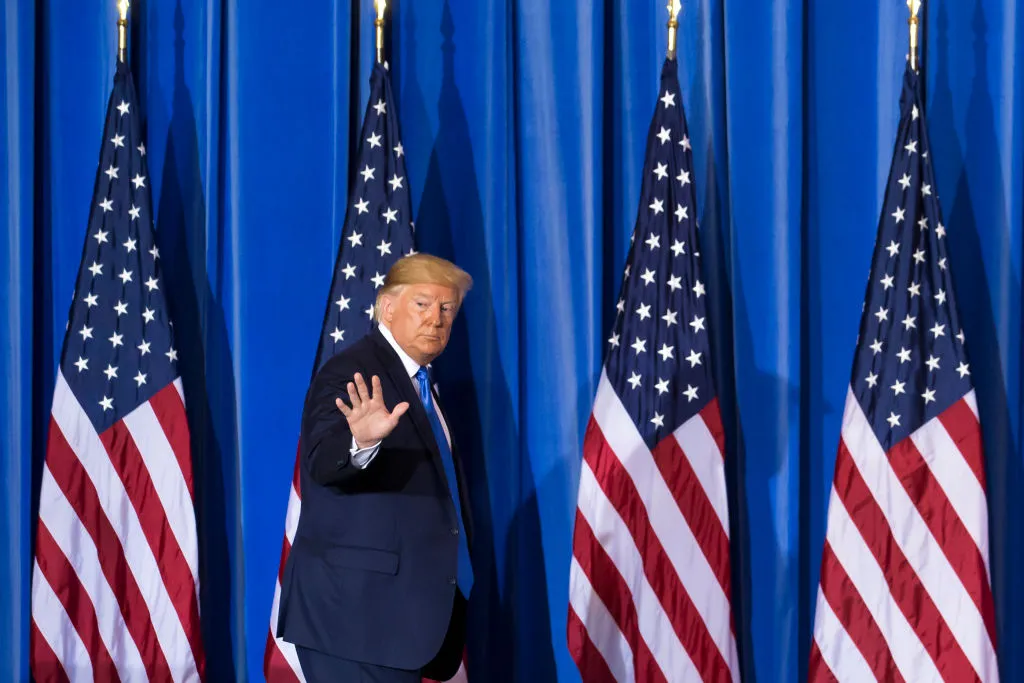
Similarly, disputes over Greenland underscore a growing willingness to challenge established alliances and norms. President Trump’s renewed push to “acquire” Greenland—whether through negotiation or implied threats—has elicited strong responses from Denmark and other NATO partners. Denmark has warned that any U.S. military action against Greenland would effectively spell the end of NATO’s collective security architecture, highlighting frictions within longstanding alliances as Washington prioritizes control over strategic territory in the Arctic.
Collectively, these shifts illustrate the emergence of what some analysts describe as a new era of direct military predominance. While debates continue over whether the United States seeks to formalize territorial control or simply project overwhelming influence, there is broad recognition that global power structures are in flux. This dynamic may produce one of three outcomes: unchallenged American global dominance; a slide into broader geopolitical confrontation; or a concerted international response to counter perceived unilateral overreach. Regardless of the path chosen, 2026 appears poised to mark a turning point in the balance of global power.