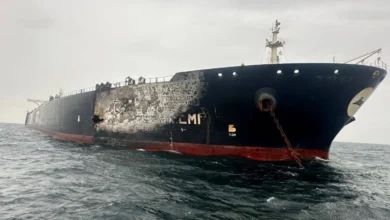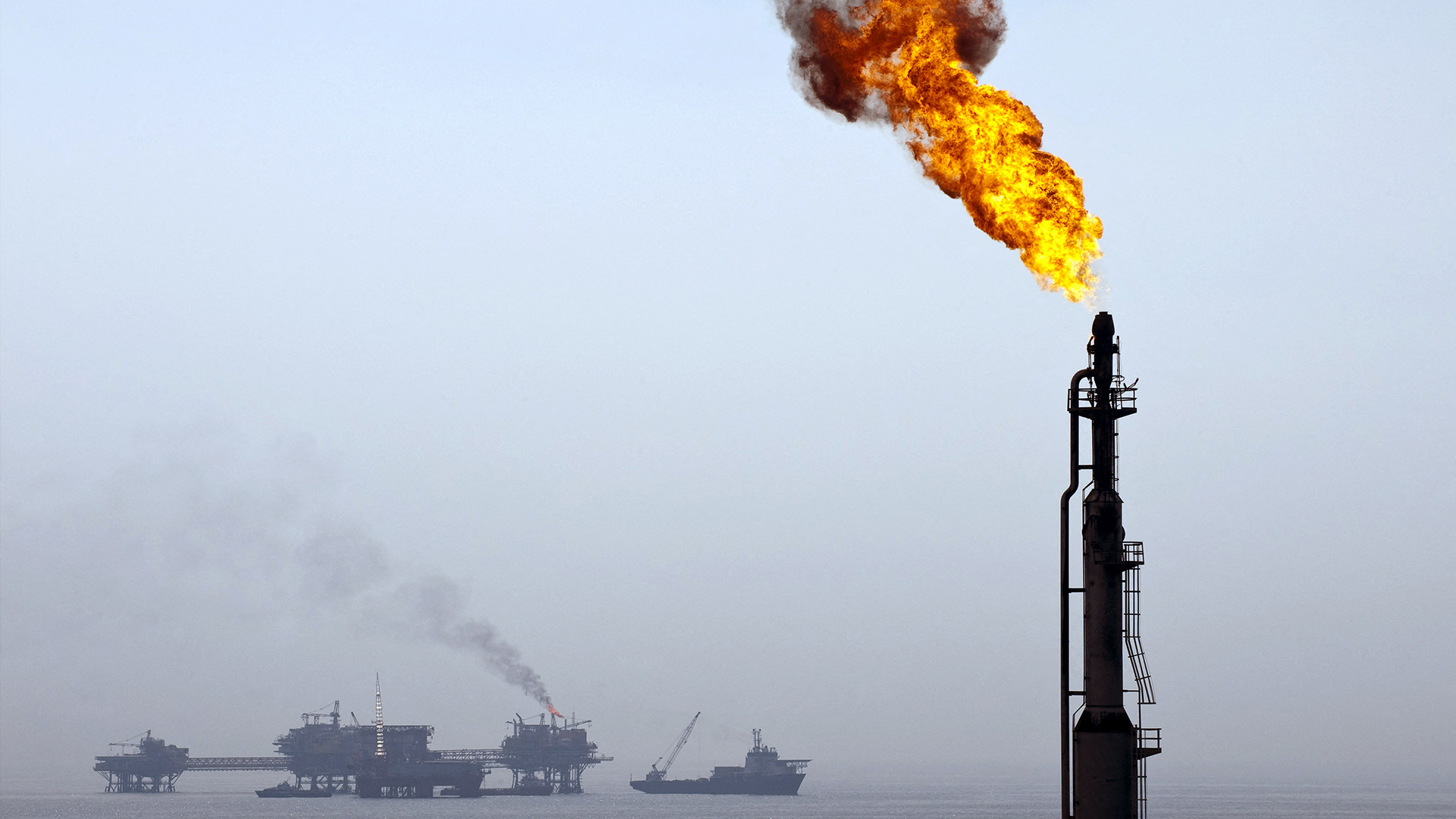
The head of the International Energy Agency has warned that the current global energy crisis is more severe than the oil shocks of the 1973 oil crisis and the 1979 oil crisis, as well as the 2022 gas shortage linked to the Russia-Ukraine war. Speaking on a podcast, IEA Executive Director Fatih Birol revealed that global supply losses have reached approximately 12 million barrels per day—more than double the roughly 5 million barrels lost during each of the earlier oil crises.
Birol highlighted that the current disruption extends beyond oil, noting that while global gas supply dropped by about 75 billion cubic meters in 2022, the present shortfall is even larger. He warned that conditions are rapidly deteriorating, stating that April is expected to be significantly worse than March. While some oil and liquefied natural gas shipments from the Middle East were still available previously, he cautioned that supply flows are now effectively drying up.
In response, the IEA has decided to release 400 million barrels from emergency oil reserves—the largest such intervention in its history. However, Birol stressed that this measure is only a temporary relief. “This is only helping to reduce the pain. It will not set a cure,” he said, emphasizing that the real solution lies in reopening the Strait of Hormuz, which he described as the most critical factor in restoring global supply stability.
The crisis has already hit Asia hardest, with acute shortages of jet fuel and diesel emerging across the region. According to Birol, these disruptions are expected to spread to Europe by April or early May. As Asian buyers struggle to secure liquefied natural gas from the Middle East, they are increasingly turning to global spot markets—traditionally relied upon by Europe—intensifying competition and driving prices higher.
Birol warned that the ripple effects will be felt across energy systems, particularly in Europe, where electricity prices are closely tied to natural gas costs. As competition for limited gas supplies intensifies, electricity prices are expected to surge, compounding the economic impact of what is shaping up to be the most severe global energy crisis in decades.