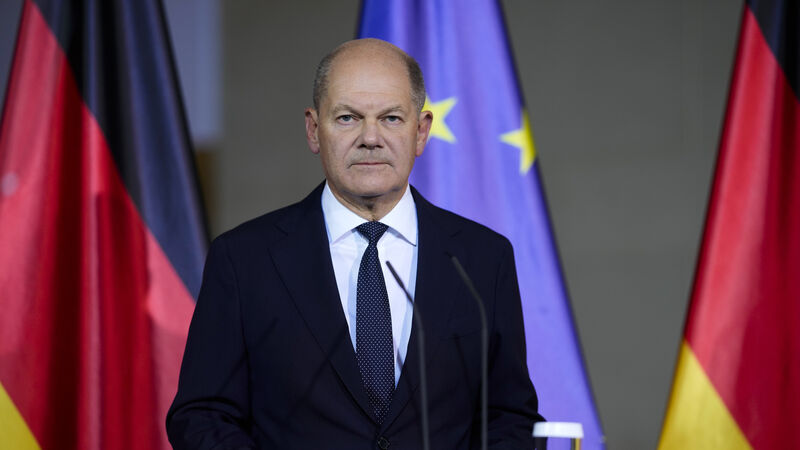
Germany’s governing coalition is on the brink of collapse after Chancellor Olaf Scholz dismissed Finance Minister Christian Lindner, sparking a major political crisis. Scholz announced that he would call for a vote of confidence in his government in January, which could lead to early elections if the government loses support in parliament.
Scholz expressed a lack of trust in Lindner, who heads the economically liberal Free Democratic Party (FDP), a key partner in the coalition alongside Scholz’s Social Democrats and the Greens. The dismissal means the government no longer holds a parliamentary majority.
Tensions within the coalition had been growing for weeks, with Scholz accusing Lindner of betraying his confidence and prioritizing party interests over the nation’s needs. Lindner, in turn, blamed Scholz for leading Germany into a period of uncertainty, especially after the election of Donald Trump in the US.
The crisis follows a period of strained relations within the coalition, which was formed in 2021 with the goal of addressing the country’s economic challenges, including soaring energy prices and the financial burden of supporting Ukrainian refugees. Scholz and his Green allies seek to loosen rules on public debt to allow for more spending, while Lindner advocates for tax cuts and cuts to welfare spending.
Economy Minister Robert Habeck of the Greens has stated that his party will not leave the government, and its ministers will continue to serve. The confidence vote will take place in Germany’s Bundestag on January 15. Should the government lose the vote, fresh elections would be held within weeks, potentially disrupting Germany’s political landscape and economic stability.