Germany Faces Early Election After Scholz Calls for Vote of Confidence in December

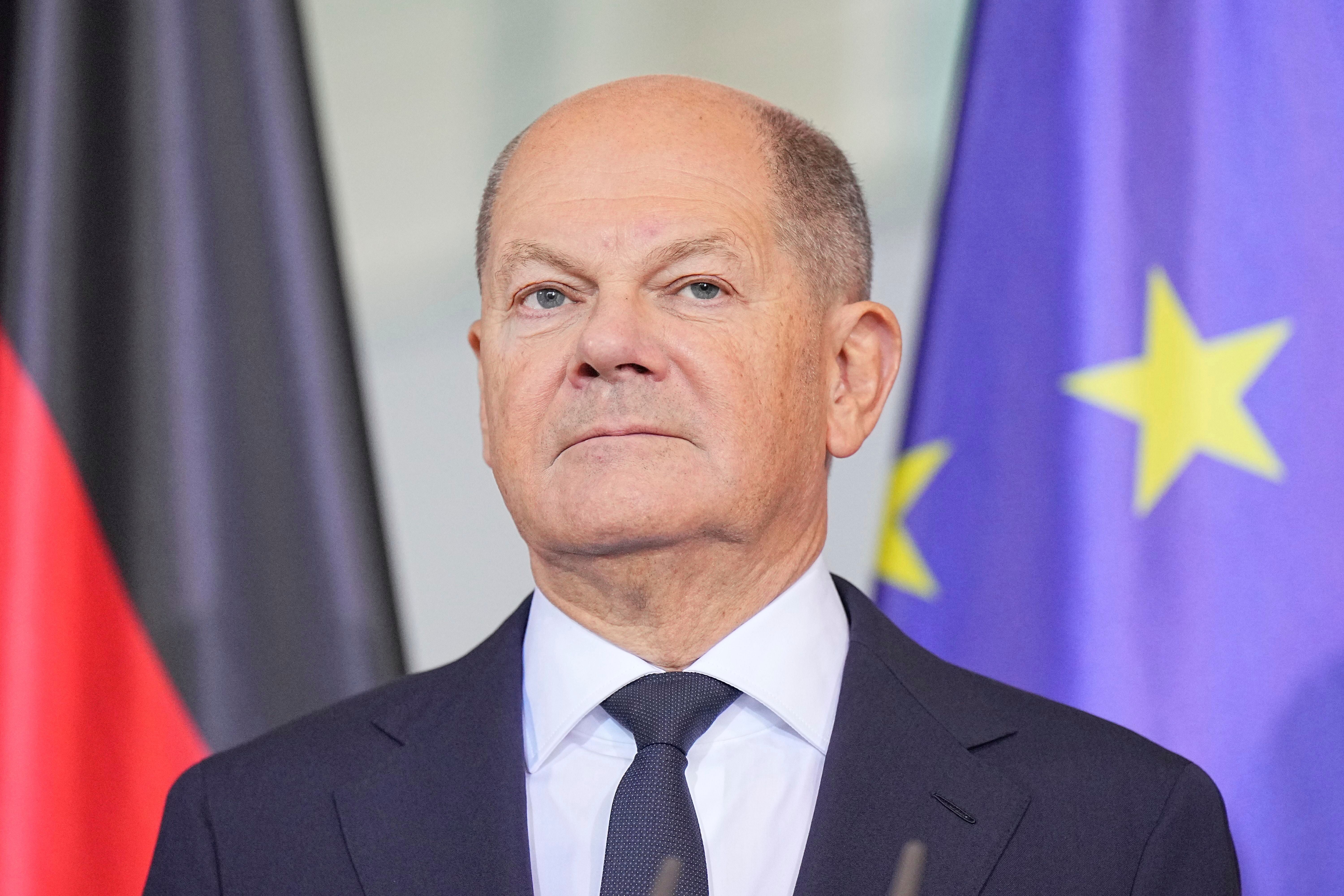
German Chancellor Olaf Scholz announced on Wednesday that he will request a vote of confidence in the Bundestag on December 16, setting the stage for early parliamentary elections in February. This follows the collapse of his three-party coalition government a week earlier. The coalition, which had been in power since 2021, included Scholz’s Social Democrats, the pro-business Free Democrats, and the Greens. However, tensions within the alliance reached a breaking point when Scholz dismissed Finance Minister Christian Lindner after a series of disagreements over economic policy.
In his speech to parliament, Scholz confirmed that elections will now be held on February 23, 2024. Although the regular election was scheduled for September 2025, the opposition parties, particularly the center-right Christian Democrats, pushed for a quicker vote. Scholz expressed his intention to pass key legislation before the elections, including financial support for low-income families and constitutional amendments to safeguard the country’s highest court from political influence.
The political landscape in Germany is now shifting toward campaign mode. While Scholz has not yet officially confirmed his candidacy, he has expressed his desire to run again as chancellor. His main competitor, Friedrich Merz of the Christian Democrats, has already been nominated by his party. Other candidates, including Robert Habeck from the Greens and Alice Weidel of the far-right AfD, are also expected to compete. The upcoming election will likely focus on Germany’s struggling economy, migration control, and foreign policy, especially concerning the war in Ukraine and the potential return of Donald Trump to the U.S. presidency.