Georgian Protests and Western Pressure Fail to Prevent Presidential Inauguration

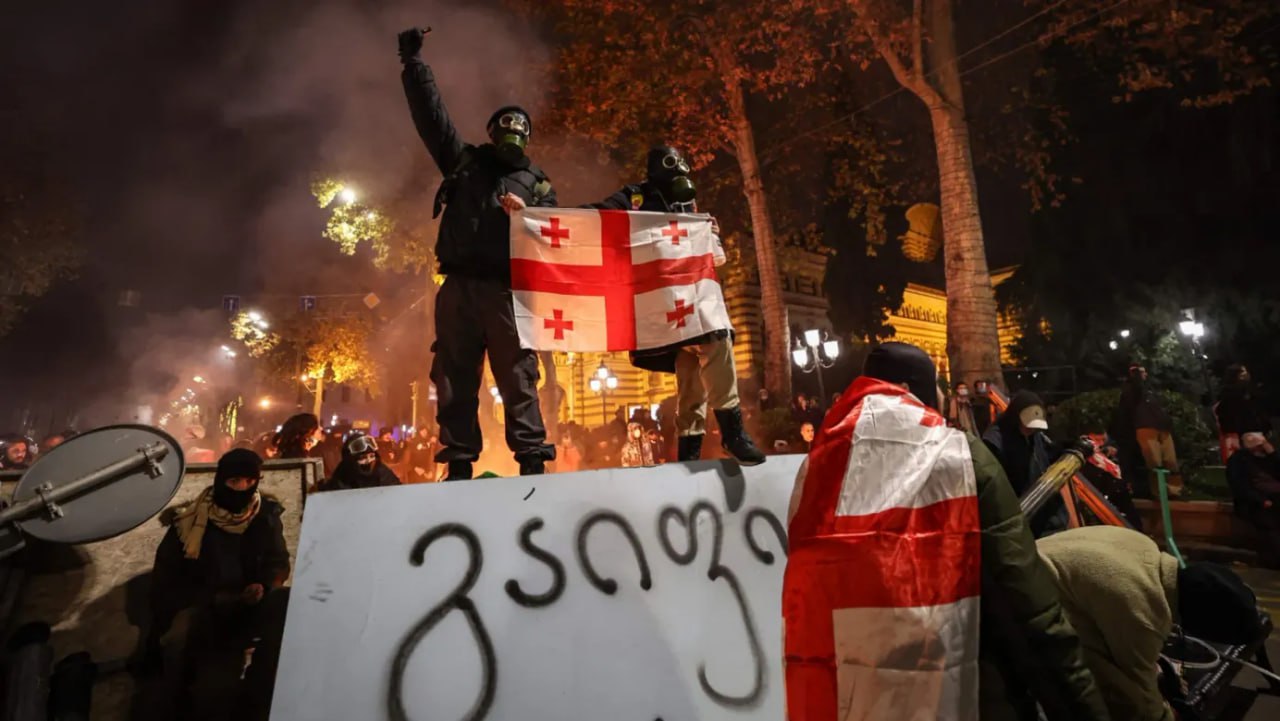
Month-long protests in Georgia, fueled by Western pressure on the ruling Georgian Dream party, ended without significant change, as the newly elected president, Mikheil Kavelashvili, was inaugurated on December 29. Protesters in Tbilisi peacefully dispersed after the event, signaling the end of a turbulent chapter in Georgian politics.
The protests began after former President Salome Zurabishvili demanded new parliamentary elections, accusing the Georgian Dream party of rigging the October vote. The Georgian Central Election Commission (CEC) dismissed her allegations, describing them as “baseless” and “politically motivated.”
Zurabishvili, a pro-EU politician, found support from the European Parliament (EP), which called for re-running the elections under international supervision, despite the fact that international observers had already been present. In response, Georgian Dream suspended EU accession talks until 2028, further fueling the protests organized by four pro-Western opposition parties that had boycotted parliament since October.
Western influence, including visits from MEPs and US sanctions on Georgian Dream’s founder Bidzina Ivanishvili, accused of steering Georgia toward Russia, did little to sway the outcome. Kavelashvili, a candidate from Georgian Dream, was elected by a 300-member College of Electors on December 14, and despite Zurabishvili’s refusal to concede, the inauguration proceeded as planned.
Kavelashvili’s inauguration reaffirmed Georgia’s commitment to EU membership and stronger ties with the US, while Tbilisi expressed readiness to reset relations with President-elect Donald Trump.