G7, other allies discuss measures to reduce reliance on China for rare earths

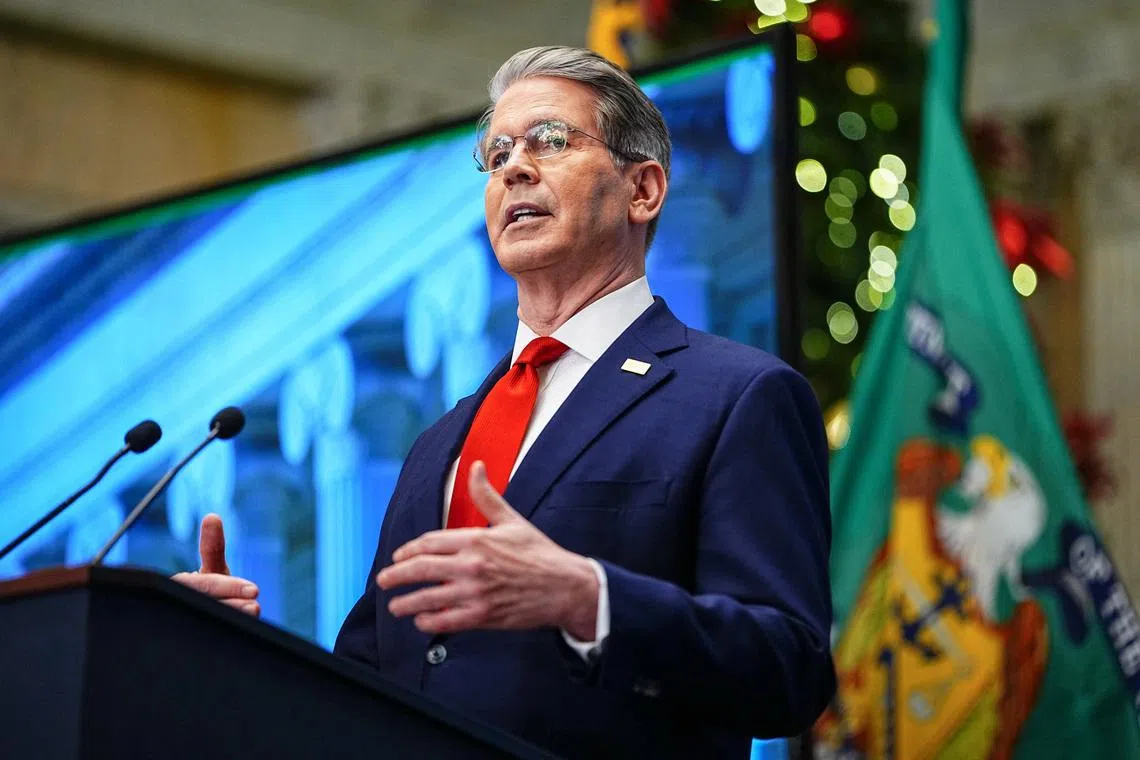
Finance ministers from the G7 and other major economies met in Washington on Monday to discuss ways to reduce dependence on rare earths from China, including setting a price floor and new partnerships to build up alternative supplies, ministers said.
The meeting, convened by U.S. Treasury Secretary Scott Bessent, included finance ministers from G7 members Japan, Britain, France, Germany, Italy, Canada and the U.S. as well as officials from Australia, Mexico, South Korea and India.
U.S. Trade Representative Jamieson Greer and representatives from the U.S. Export-Import Bank and JP Morgan also attended, but no joint statement was issued by the meeting’s participants.
The Treasury said in a statement that Bessent sought “to discuss solutions to secure and diversify supply chains for critical minerals, especially rare earth elements,” and expressed optimism that countries would pursue “prudent de-risking over decoupling” from China.
German Finance Minister Lars Klingbeil said discussions at the meeting included a potential rare-earths price floor and partnerships to boost supplies, but noted the talks had just begun with many unresolved issues.
He said rare earths and critical mineral supplies would be a central topic under the French presidency of the Group of Seven advanced economies this year.
However, he warned against an anti-China coalition, stressing that Europe needs to move faster on its own to develop supplies of important raw materials.
The gathering’s participating countries and the EU account for 60% of global demand for critical minerals. But China dominates the supply chain, refining between 47% and 87% of copper, lithium, cobalt, graphite and rare earths, according to the International Energy Agency.
The minerals are essential for defense technologies, semiconductors, renewable energy components, batteries and refining processes.