G7 Foreign Ministers Meet in Canada Amid Tensions Over Trump’s Foreign Policy Shifts

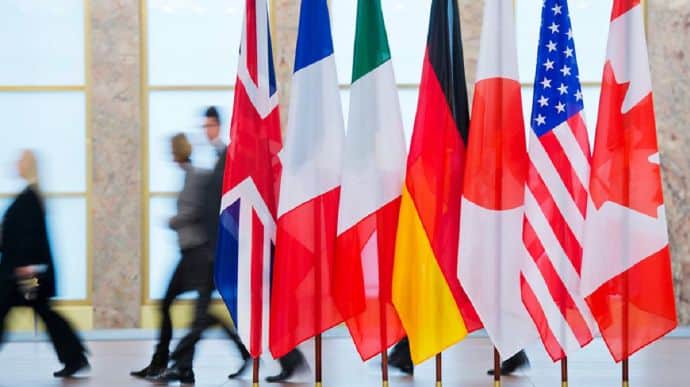
Foreign ministers from the world’s leading Western democracies are convening in La Malbaie, Canada, for a two-day G7 meeting against the backdrop of escalating tensions between U.S. allies and President Donald Trump. Key issues include U.S. foreign policy shifts on Ukraine, trade disputes, and Washington’s evolving stance on Russia and China.
The meeting follows U.S. Secretary of State Marco Rubio’s discussions with Kyiv in Jeddah, where Ukraine signaled openness to a 30-day ceasefire deal. However, Washington’s insistence on red lines regarding Ukraine and trade tariffs has strained negotiations over a final joint statement.
The United States’ decision to impose 25% tariffs on steel and aluminum imports has drawn swift retaliatory measures from Canada and the EU, further complicating relations. Trump’s policy moves—ranging from softening ties with Moscow to demanding that European allies bear more responsibility in Ukraine negotiations—have sparked concerns among G7 members.
Japan, traditionally reliant on U.S. security assurances, has also faced increasing pressure from Trump’s administration. Meanwhile, tensions between the U.S. and Canada are at a historic low, fueled by Trump’s threats of broad tariffs and his remarks about annexing Canada as the 51st U.S. state.
Canadian Foreign Minister Mélanie Joly has vowed to take a strong stance at the G7, coordinating with European allies to counter U.S. tariffs. European diplomats are also eager to assess the real influence of Rubio on U.S. foreign policy, given Trump’s reliance on non-State Department figures in key diplomatic negotiations.
With uncertainties looming over the future of G7 cohesion, Trump’s suggestion of reinstating Russia into a revived G8 has further added to the divisions, underscoring the challenges Western allies face in navigating U.S. policy unpredictability.