France’s New Government Faces Sharp Opposition and No-Confidence Threats

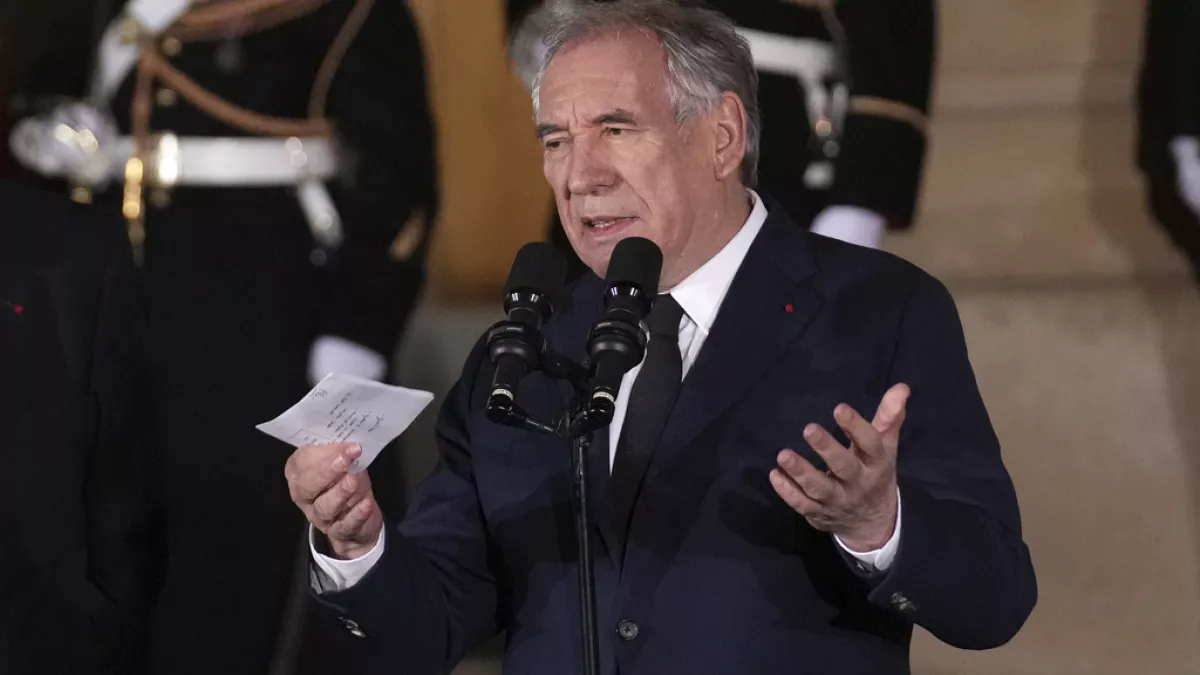
The formation of France’s new government, led by François Bayrou, has sparked widespread criticism from opposition parties and unions, signaling a contentious start. President Emmanuel Macron approved the cabinet on Monday, but backlash from across the political spectrum has already raised questions about its stability.
Mathilde Panot, leader of the “La France Insoumise” parliamentary group, labeled the government a “coalition of election losers” and declared its fate to be a no-confidence vote. Socialist Party leader Olivier Faure called the cabinet “provocative,” while Communist Party leader Fabien Roussel criticized the inclusion of right-wing representatives and the appointment of former Prime Minister Manuel Valls.
Even the right-wing opposition expressed discontent. Jordan Bardella, leader of the “Rassemblement National,” described the new government as a “coalition of failure,” condemning Bayrou’s refusal to include right-wing figure Xavier Bertrand. Former Republican Party leader Éric Ciotti referred to it as an “alliance of Macron’s minorities” and stressed the need for a government built on conservative policies.
Unions joined the chorus of disapproval, particularly opposing the appointment of former Prime Minister Élisabeth Borne as Minister of Education. Borne, infamous for bypassing parliament to pass at least 23 legislative measures, including a controversial pension reform, is seen as a divisive figure.
The new cabinet was formed following the no-confidence vote that ousted Michel Barnier’s government earlier this month after a mere 99 days in office. As criticism mounts, Bayrou’s government faces an uphill battle to win the confidence of both lawmakers and the public.
This fragile start underscores the challenges ahead for a government already under siege from all sides. The next steps will determine whether Bayrou can navigate the political turbulence or face an early demise.