France: LFI Deputy Condemns Retailleau’s Ongoing Provocations Towards Algeria

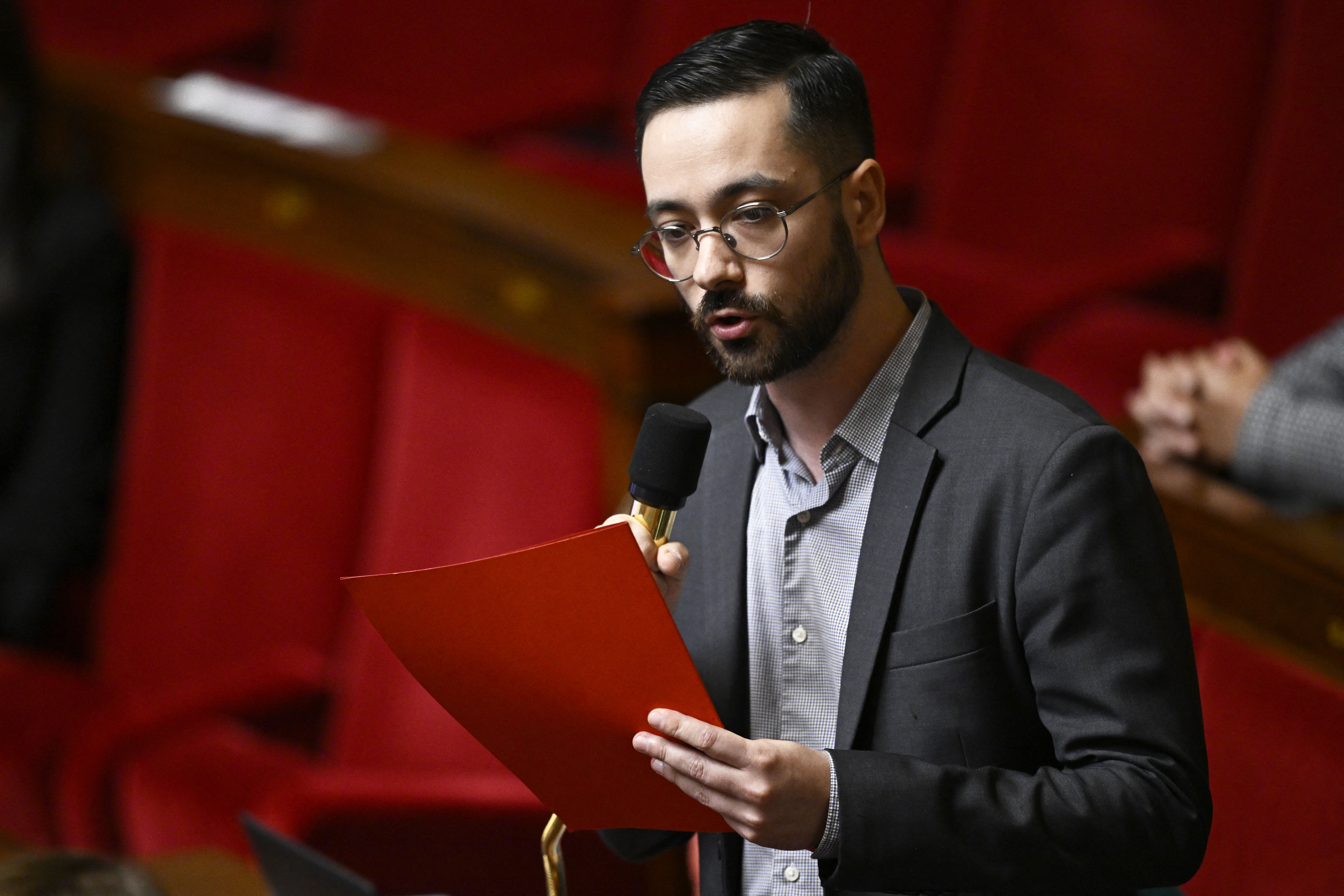
David Guiraud, a deputy from “La France insoumise (LFI),” criticized French Interior Minister Bruno Retailleau on Wednesday for his ongoing provocations towards Algeria, accusing him of acting in service of “his own interests.”
“You seem to have clearly misunderstood your ministry, as you only discuss external matters, particularly Algeria. The execution rate of OQTFs (Obligation to Leave French Territory) for Algeria is equivalent to that for Morocco, Tunisia, or Mali, which indicates that you are not serving the French people but rather pursuing your personal agenda,” the deputy remarked during a parliamentary session directed at the Interior Minister.
Bruno Retailleau officially announced his candidacy for the presidency of the Republicans on Tuesday, with the election set to take place during the party congress on May 17 and 18.
Observers view Retailleau’s recent remarks, including multiple disparaging comments about Algeria, as part of his campaign strategy for the party presidency. The LFI deputy condemned these views, characterizing them as employing “fascist methods.”
“You claim to act in the name of France, but how can one profess to defend France while trampling on its laws, disregarding rights, and undermining the faith of millions of Muslim citizens?” he questioned.
He also inquired why Retailleau and his government were intent on severing the historical ties between the Algerian and French peoples.
Furthermore, the LFI deputy challenged the Interior Minister, who often condemns cancel culture, asking, “Why not protest when a documentary about the use of chemical weapons in Algeria (by France) is removed from television?” This referred to the documentary aptly titled “Algeria, Special Weapons Sections,” which was taken off the air in France.
In addressing Prime Minister François Bayrou, David Guiraud asserted that his government “is failing to honor our shared history and those Algerians who shed their blood at Monte Cassino or during the Provence landings (…),” accusing it of “attacking France when its members dare to speak of the ‘glorious days of colonization.'”