Flash Flooding in Spain Claims Dozens of Lives in Recent Natural Disaster

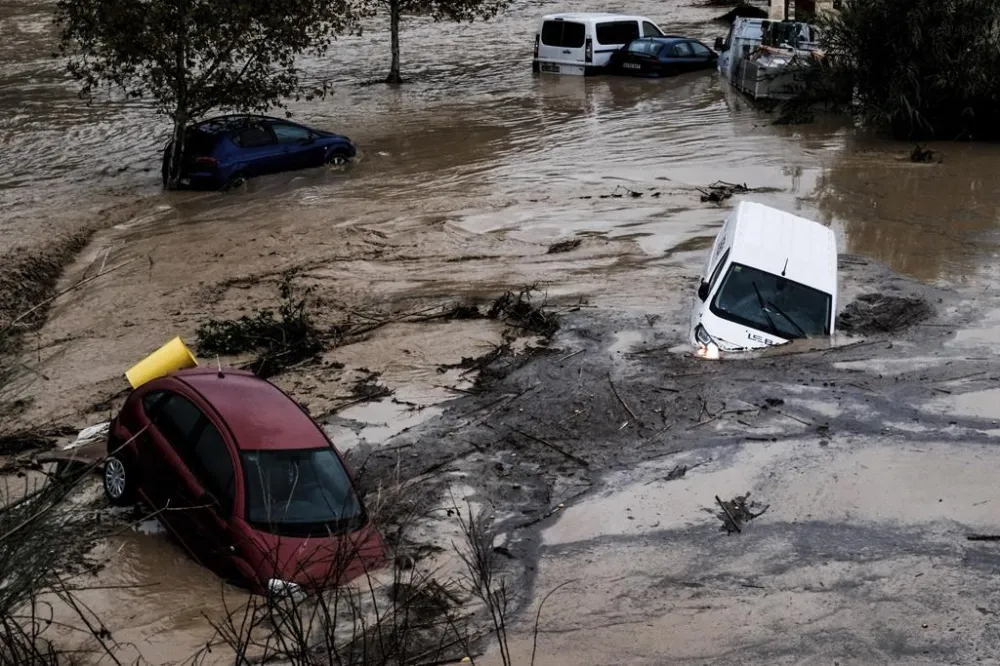
Barcelona – Spanish authorities reported Wednesday that at least 51 people have died following devastating flash floods that swept away cars, transformed village streets into rivers, and disrupted rail lines and highways in one of the country’s worst natural disasters in recent memory. Emergency services in the eastern region of Valencia confirmed the rising death toll.
Spanish King Felipe VI expressed his devastation over the flooding, as rainstorms on Tuesday triggered floods across a broad area of southern and eastern Spain. Mud-colored water rushed through streets, carrying vehicles with alarming speed and swirling debris. Police and rescue teams utilized helicopters to rescue individuals trapped in their homes and cars. While authorities reported several missing persons late Tuesday, a shocking announcement the next morning revealed dozens had been found dead.
The Valencia region is grappling with power outages and downed phone lines, with some areas entirely cut off due to flooded roads, regional chief Carlos Mazon told reporters. Over 1,000 soldiers from Spain’s emergency response units were deployed to assist in recovery efforts. Although Spain has faced similar autumn storms in recent years, nothing has matched the scale of destruction seen in the last two days.
A high-speed train carrying nearly 300 passengers derailed near Malaga; however, rail authorities reported that no injuries occurred. Train services between Valencia city and Madrid, along with several commuter lines, were interrupted. Valencian regional President Carlos Mazón urged residents to remain at home to avoid complicating rescue operations, as travel on roads became increasingly challenging due to fallen trees and wrecked vehicles.
The central government of Spain has established a crisis committee to coordinate rescue efforts. Although rainfall had eased in Valencia by late Wednesday morning, additional storms were predicted through Thursday, according to Spain’s national weather service. The nation is still recovering from a severe drought earlier this year, and scientists suggest that the increasing frequency of extreme weather events is likely connected to climate change.