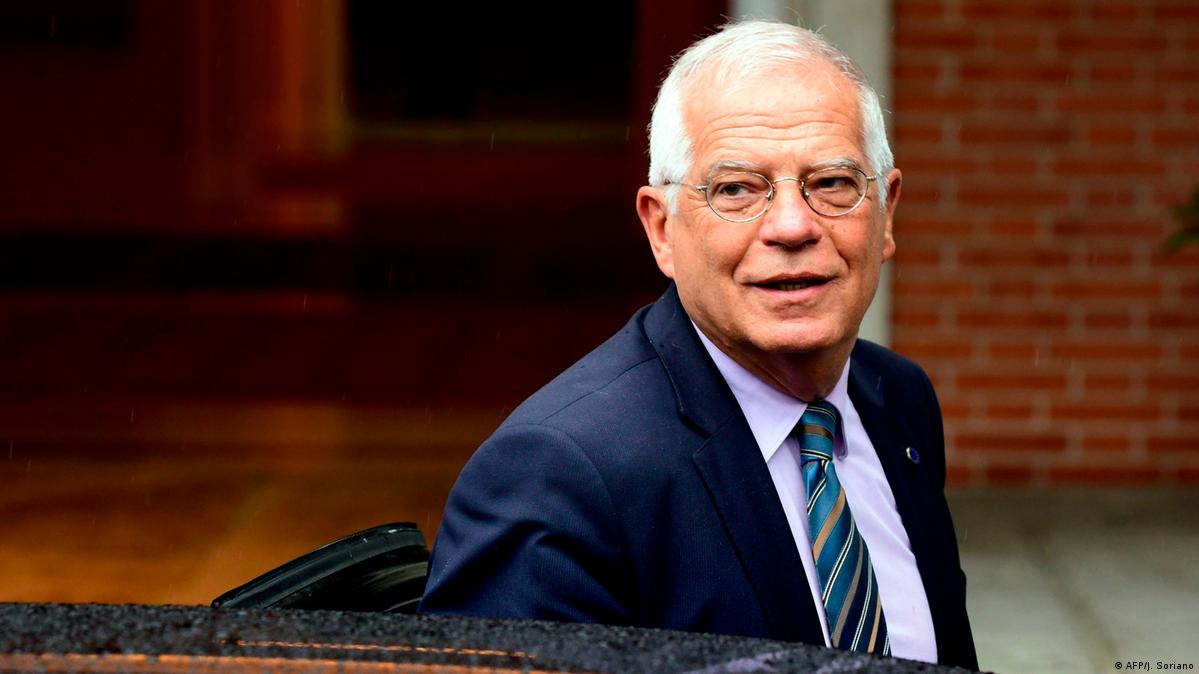
On Thursday, Josep Borrell, the High Representative for Foreign Affairs and Security Policy of the European Union (EU), acknowledged the “great significance” of the United Nations General Assembly (UNGA) adopting a resolution that calls for an end to the Zionist occupation of Palestinian territories within 12 months.
As reported by the Palestinian news agency Wafa, Borrell emphasized the importance of the draft resolution presented by the State of Palestine to the General Assembly. This resolution is rooted in the advisory opinion of the International Court of Justice (ICJ) regarding the legal consequences of the policies and practices of the Zionist entity in Palestinian territories, including East Jerusalem.
The EU High Representative noted that with the support of 124 countries, the UN General Assembly has firmly reaffirmed its commitment to granting the Palestinian people their right to self-determination, which encompasses their right to an independent and sovereign state, in accordance with relevant resolutions from both the Security Council and the UNGA.
Borrell also highlighted the EU’s consistent position that it will not recognize any alterations to the borders established in 1967, nor acknowledge Zionist sovereignty over territories occupied since then. He reiterated the European Union’s call for a “lasting peace.”
On Wednesday, the UN General Assembly adopted a draft resolution proposed by the State of Palestine, urging the Zionist entity to end its “unlawful presence in the occupied Palestinian territory within 12 months.” The resolution passed with 124 votes in favor, 14 against, and 43 abstentions.
This draft resolution, debated among the 193 member states of the UN since Tuesday, follows the ICJ’s opinion issued in July. This opinion examined the Zionist occupation that has persisted since 1967 at the request of the General Assembly. The court concluded that the continued presence of the Zionist entity in the occupied Palestinian territory is unlawful and that the occupying power has an obligation to cease this presence as soon as possible.