EU warns Iranian closure of Strait of Hormuz would be ‘extremely dangerous’

An Iranian closure of the Strait of Hormuz would be dangerous and “not good for anybody”, the European Union’s top diplomat said on Monday.
“The concerns of retaliation and this war escalating are huge, especially closing of the Strait of Hormuz by Iran is something that would be extremely dangerous and not good for anybody,” Kaja Kallas told reporters ahead of a meeting with EU foreign ministers.
Iran’s Press TV reported on Sunday that Iran’s Supreme National Security Council needed to make a final decision on whether to close the strait, after parliament was reported to back the measure. About 20% of global oil and gas demand flows through the channel.
U.S. Secretary of State Marco Rubio on Sunday called on China to encourage Iran to not shut down the Strait of Hormuz after Washington carried out strikes on Iranian nuclear sites.
“I encourage the Chinese government in Beijing to call them about that, because they heavily depend on the Straits of Hormuz for their oil,” said Rubio, who also serves as national security adviser.
“If they do that, it will be another terrible mistake. It’s economic suicide for them if they do it. And we retain options to deal with that, but other countries should be looking at that as well. It would hurt other countries’ economies a lot worse than ours.”
Rubio said a move to close the strait would be a massive escalation that would merit a response from the U.S. and others.
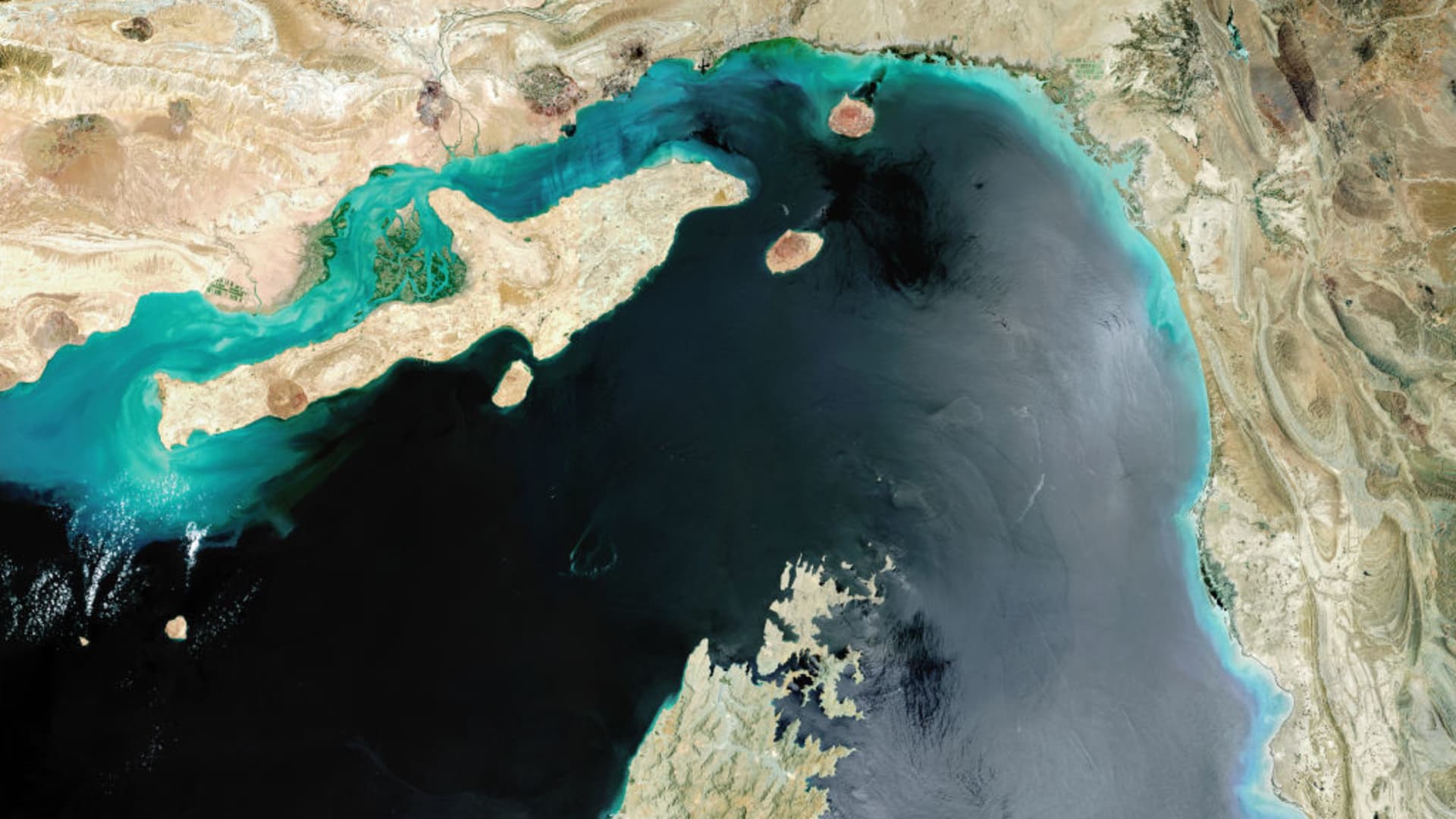
The Strait of Hormuz lies between Oman and Iran and links the Gulf north of it with the Gulf of Oman to the south and the Arabian Sea beyond. It is 21 miles (33 km) wide at its narrowest point, with the shipping lane just 2 miles (3 km) wide in either direction.
About a fifth of the world’s total oil consumption passes through the strait. Between the start of 2022 and last month, somewhere between 17.8 million and 20.8 million barrels of crude, condensate and fuels flowed through the strait daily, data from analytics firm Vortexa showed.