Egyptian archaeologists have uncovered a prehistoric rock art site in the South Sinai Peninsula dating back around 10,000 years, the Tourism and Antiquities Ministry said Thursday.
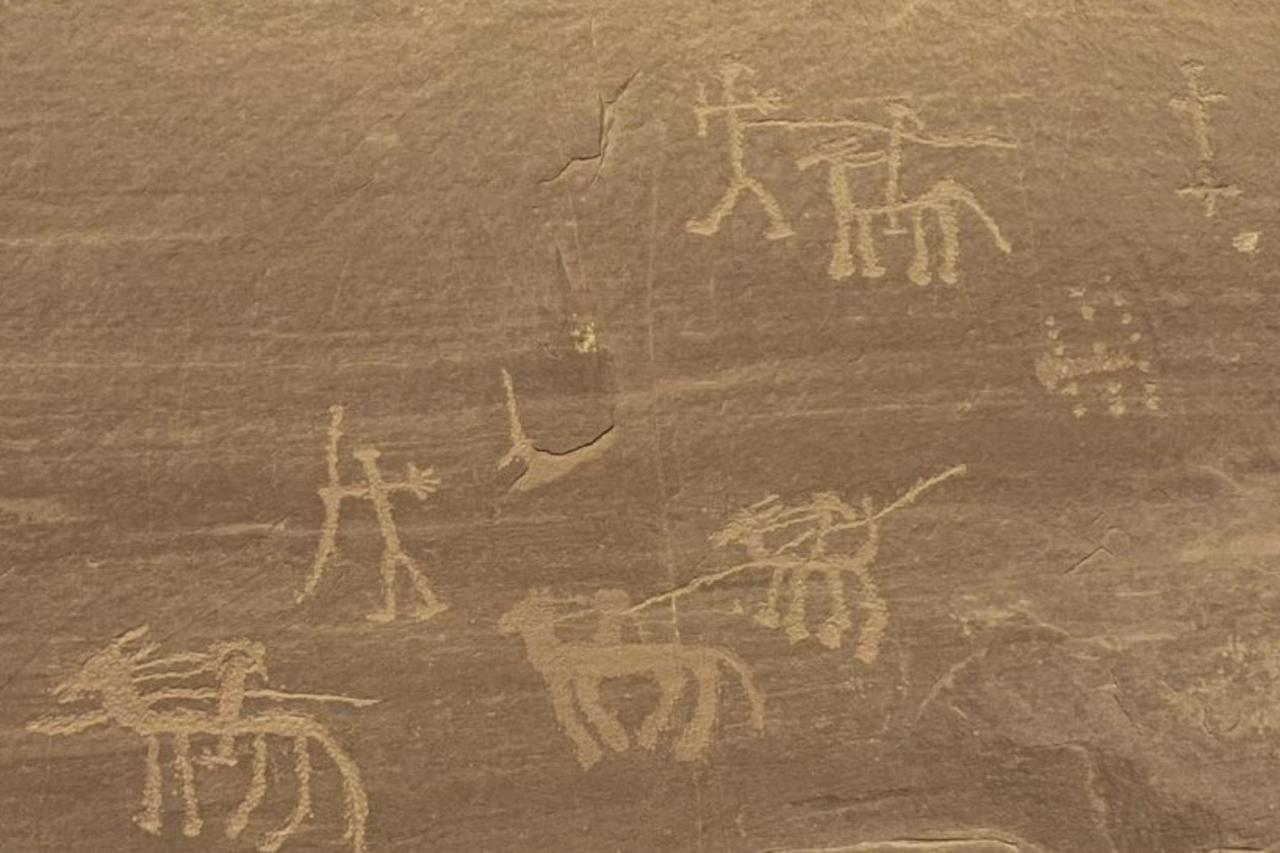
The site, known as the Umm Irak Plateau, includes a natural sandstone rock shelter more than 100 metres long that contains extensive carvings and pigment paintings spanning millennia, offering rare evidence of continuous human artistic expression from prehistoric times up to early Islamic periods.
The discovery was made by an Egyptian archaeological mission from the Supreme Council of Antiquities, which described the location as one of the most significant rock art landscapes recently identified in the region.
Officials said the earliest images are believed to date back roughly 10,000 to 5,500 B.C., portraying scenes of animals and symbolic forms that reflect aspects of daily life and early human activity. Later engravings show figures such as hunters and animals, and Arabic inscriptions suggest the site continued to be used in later periods.
Tourism and Antiquities Minister Sherif Fathy said the find provides fresh evidence of the succession of civilizations that passed through Sinai over thousands of years and enhances Egypt’s rich cultural heritage.
Archaeologists also uncovered remnants of stone tools, ancient hearths and animal remains, indicating the rock shelter was used as a gathering place and refuge across different eras.