Economists Warn U.S. Strikes on Iran Could Trigger Oil Spike, Deepen Global Economic Strain

A U.S. attack on Iranian nuclear sites could push oil prices even higher and trigger a knee-jerk rush to safety, investors said, as they assessed how the latest escalation of tensions would ripple through the global economy.
Trump called the attack “a spectacular military success”, saying the U.S. military could go after other targets in Iran if the country did not agree to peace.
In return, Iran said it reserves all options to defend itself, and warned of “everlasting consequences”.
Investors said they expected the U.S. involvement would cause a selloff in stock markets and a possible bid for the dollar and other safe-haven assets when major markets reopen, but also said much uncertainty about the course of the conflict remained.
A key concern for markets would center around the potential impact of the developments in the Middle East on oil prices and thus on inflation. A rise in inflation could dampen consumer confidence and lessen the chance of near-term interest rate cuts, according to Reuters news agency.
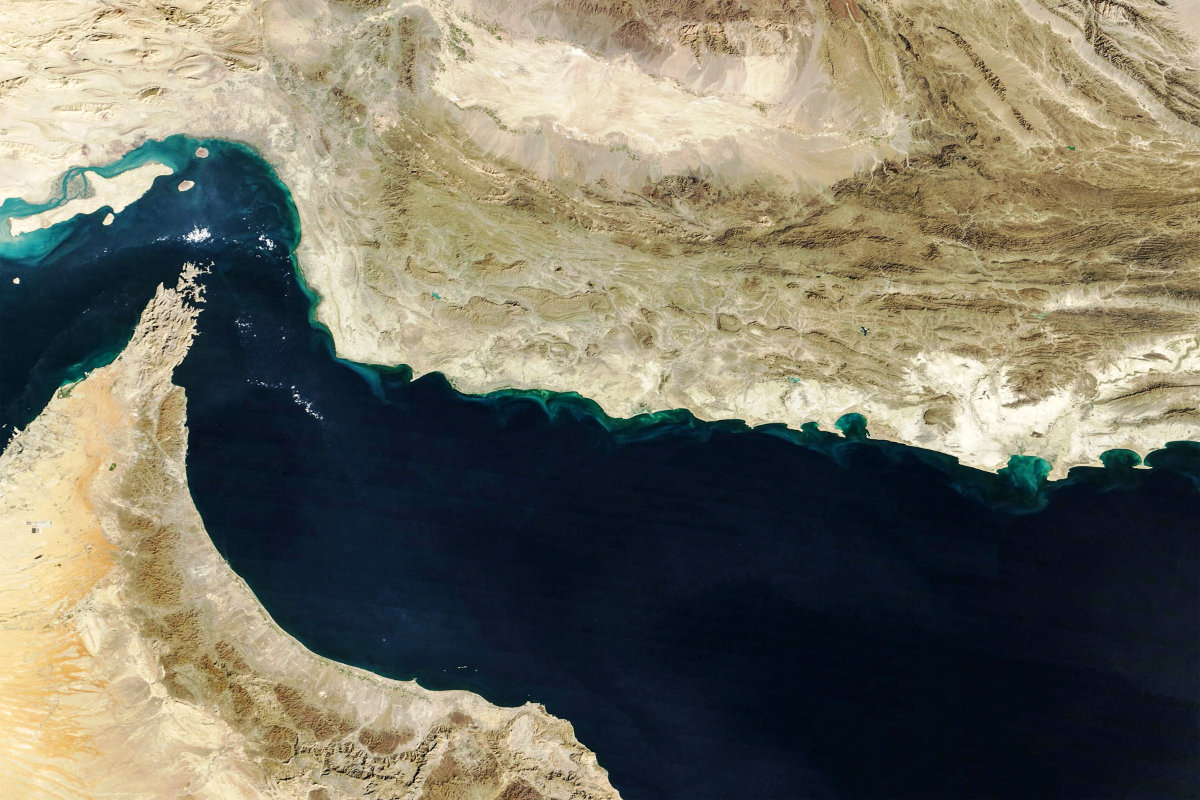
Saul Kavonic, a senior energy analyst at equity research firm MST Marquee in Sydney, said the more likely scenario would see Iran respond by targeting American interests in the Middle East, including Gulf oil infrastructure in places such as Iraq, or leveraging its control of the Strait of Hormuz.
The Strait of Hormuz lies between Oman and Iran and is the primary export route for oil producers in the Gulf region.
“Much depends on how Iran responds in the coming hours and days, but this could set us on a path towards $100 oil if Iran respond as they have previously threatened to,” Kavonic said.
While global benchmark Brent crude futures LCOc1 have risen as much as 18% since June 10, hitting a near five-month high of $79.04 on Thursday, the S&P 500 .SPX has been little changed, following an initial drop when “Israel” launched its attacks on Iran on June 13.
In comments after Trump announced the strikes, Jamie Cox, managing partner at Harris Financial Group, agreed oil prices would likely spike on the initial news. But Cox said he expected prices to likely level off in a few days, as the attacks could lead Iran to seek a peace deal with Israel and the United States.
Economists warn that a dramatic rise in oil prices could damage a global economy already strained by Trump’s tariffs.
According to Reuters, however, any pullback in equities might be fleeting, history suggests. During past prominent instances of Middle East tensions coming to a boil, including the 2003 Iraq invasion and the 2019 attacks on Saudi oil facilities, stocks initially languished but soon recovered to trade higher in the months ahead.
On average, the S&P 500 slipped 0.3% in the three weeks following the start of conflict, but was 2.3% higher on average two months following the conflict, according to data from Wedbush Securities and CapIQ Pro.