Deal or No Deal? TikTok Agreement Seen as Strategic Test for US-China Relations

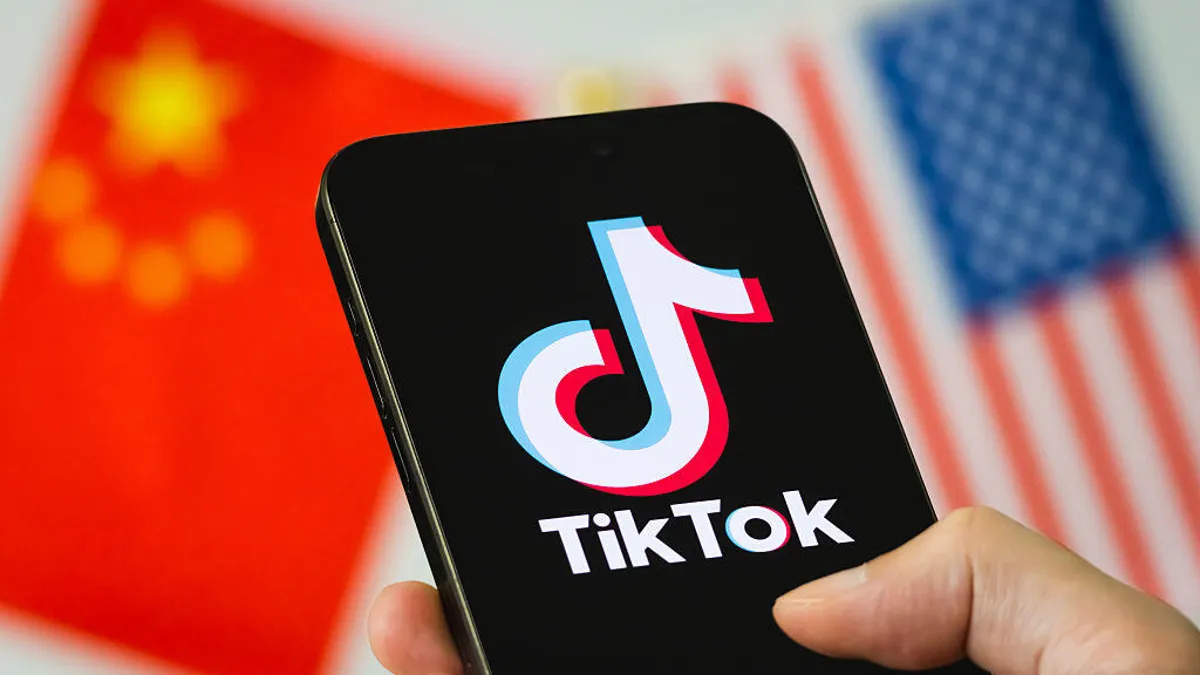
Washington has welcomed a tentative agreement with China that would grant American investors majority control over TikTok’s operations in the United States, hailing it as a strategic win that secures the app’s future for its 170 million American users—nearly half the population. But analysts caution that Beijing’s cautious and deliberately vague approval, emphasizing that any deal must comply with Chinese law, reflects not a concession but a calculated move to strengthen its leverage in broader negotiations with Washington.
Experts argue that the deal extends beyond TikTok itself, forming part of a wider investment framework between the two powers. They note that the agreement shows both the United States and China are looking at the bigger picture and planning for the long term. Some observers also suggest that if the deal is finalized, it would signal that despite intensifying rivalry, both sides can still find areas for dialogue and cooperation.
Still, concerns remain over long-term implications. Experts warn that while protecting ByteDance’s global revenues is crucial, surrendering operational control could weaken China’s influence over culture and data, while encouraging other countries to demand similar arrangements. With TikTok’s fate now tied to geopolitics, the deal could reshape corporate governance and strategic power dynamics between the world’s two largest economies.