COP29: Developing nations slam the climate deal as insufficient, Trump vows to exit climate pact

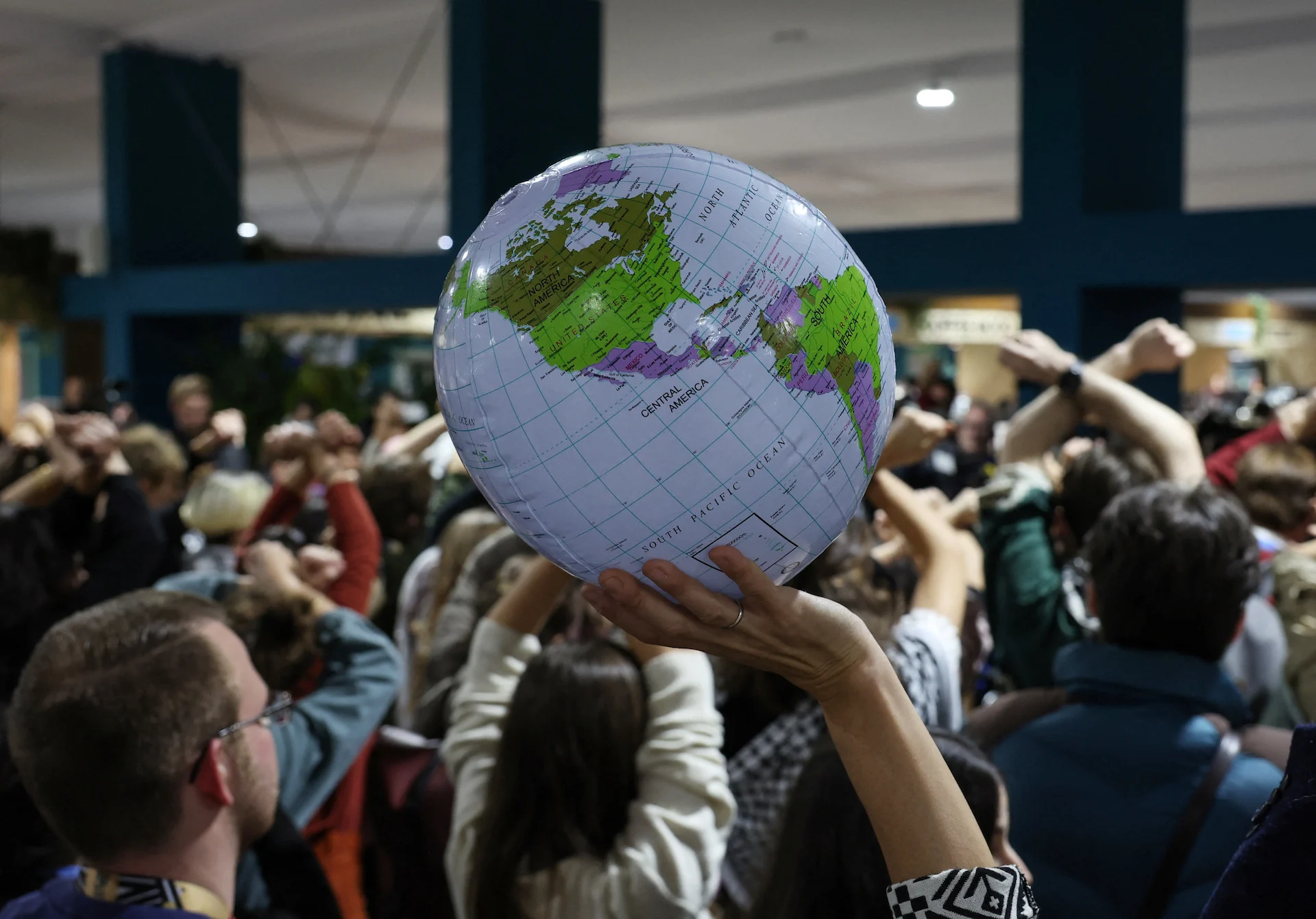
Countries at the COP29 summit in Baku adopted a $300 billion a year global finance target on Sunday to help poorer nations cope with impacts of climate change, a deal its intended recipients criticised as woefully insufficient.
The agreement, clinched in overtime at the two-week conference in Azerbaijan’s capital, was meant to provide momentum for international efforts to curb global warming in a year destined to be the hottest on record.
“I had hoped for a more ambitious outcome—on both finance and mitigation—to meet the great challenge we face. But this agreement provides a base on which to build. It must be honoured in full and on time. Commitments must quickly become cash,” UN Secretary General Antonio Guterres said.
Outgoing President Joe Biden congratulated the COP29 participants for reaching what he called a historic agreement, adding that more work was needed to achieve the climate goals. However, the incoming US administration does not seem to share the same vision.
Donald Trump’s presidential election victory this month has raised doubts among some negotiators that the world’s largest economy would pay into any climate finance goal agreed in Baku.
Trump, a Republican who takes office in January, has called climate change a “hoax” and promised to again remove the U.S. from international climate cooperation.
Accordingly, his election meant the U.S. could offer little at COP29, despite being the world’s biggest historical polluter and most responsible for climate change. Consequently, it is expected to curtail ambitions on the finance target, with the world’s biggest economy unlikely to contribute.
Additionally, Trump has appointed Chris Wright, a staunch defender of fossil fuel use and climate change denier, to lead the Department of Energy in the new US administration.
Meanwhile, Western governments have seen global warming slip down the list of national priorities amid surging geopolitical tensions, including the Russia-Ukraine conflict, the war in the Middle East, and rising inflation.
The negotiations over financing for developing countries come in a year scientists predict to be the hottest on record. Climate woes are stacking up, with widespread flooding killing thousands across Africa, deadly landslides burying villages in Asia, and drought in South America shrinking rivers.
Developed countries have not been spared. Torrential rain triggered floods in Valencia, Spain, last month that left more than 200 dead, and the U.S. so far this year has registered 24 billion-dollar disasters—just four fewer than last year.